3 Easy and Effective Techniques to Defrost Fish Without Losing Quality
3 Reliable Methods to Defrost Fish Properly and Safely
Tips 29/03/2026 12:26
Using Salt or Baking Soda to Wash Grapes Isn’t Enough—Here’s a Better Way to Remove Dirt and Even Insect Eggs
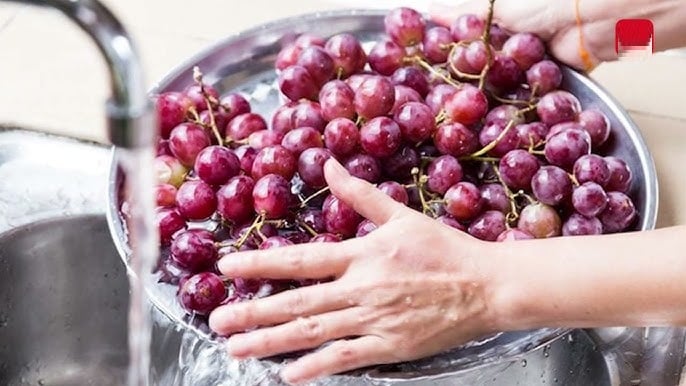
Grapes are a popular fruit enjoyed for their sweetness and health benefits. However, properly cleaning them before eating is more important than many people realize.
Some people believe that soaking grapes in salt water or washing them with baking soda is enough. But according to experts, these methods are not as effective as commonly thought.
Unlike many other fruits, grapes grow in tight clusters, making it difficult to clean every surface thoroughly.
Dirt, pesticide residues, and even insect eggs can hide in the small gaps between the grapes and their stems. Simply rinsing with water—or even soaking in diluted salt water—may not fully remove these substances.
Salt water can help kill some bacteria, but it does not have strong enough absorption properties to remove pesticide residues or hidden contaminants.
As for baking soda, while it is often used for cleaning, its alkaline nature may damage the grape skin if used improperly, potentially speeding up spoilage.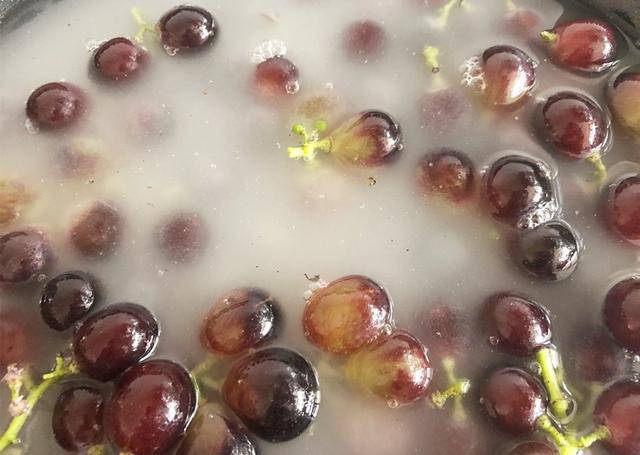
Instead of relying only on salt or baking soda, a more effective approach involves using rice water—a natural and gentle cleaning solution.
Rice water contains mild alkaline properties and has the ability to help break down certain residues. It also has a slight viscosity that helps lift dirt from the surface of grapes.
If rice water is not available, mixing flour with water can be used as an alternative soaking solution.
Step 1: Separate the grapes
Use scissors to cut grapes individually from the cluster instead of washing the entire bunch at once. This helps prevent damage and allows better cleaning.
Step 2: Soak in rice water
Soak the grapes in rice water for about 15 minutes. Gently swirl them to help loosen dirt and residues.
After soaking, you may notice impurities such as dust, debris, or even tiny particles floating in the water.
Step 3: Use light salt water briefly
After cleaning with rice water, soak the grapes in a mild salt solution for about 10 minutes to help reduce bacteria and fungi.
Be careful not to use too much salt, as it can affect the taste and texture.
Step 4: Rinse with clean water
Finally, rinse the grapes two more times with clean water and let them drain.
With this method, grapes can be cleaned more thoroughly, making it safer to eat—even with the skin on.
Many people peel grapes because of their texture or taste, but the skin actually contains beneficial compounds like antioxidants.
Once properly cleaned, eating the whole grape can provide more nutritional value.
Washing grapes is not as simple as it seems. Common habits like using salt or baking soda alone may not be enough.
Using the right method—such as soaking in rice water and following proper steps—can help remove hidden dirt, pesticide residues, and even insect eggs more effectively.
3 Reliable Methods to Defrost Fish Properly and Safely
Place these leaves by your doorway to naturally keep flies and mosquitoes away

Why do smart individuals prefer placing their phones screen-down when idle?
Practical Ways to Loosen and Open Jar Lids with Ease
What are ways to reduce saltiness in food without adding liquid?

Japan’s Proven Approach to Drying Bulky Clothes Quickly and Effectively
5 Surprising Benefits of Putting Lemon with Salt in Your Room
These 5 Plants Can Help Keep Snakes Away
Pour salt into your toilet and see what happens
Why people are putting salt in toilets—does it really work?

How to Grow Your Hair Faster and Make It Stronger Naturally

Add this to your floor cleaning routine to keep your home spotless and dust-free for a week
The Benefits of Growing Basil Indoors, Even in Small Spaces

A recipe to remove all the cancer cells from your body and prevent vision loss.

Not all fish are healthy—some may contain hidden toxins

Easy tips for fixing clogged pipes at home
Guide to planting chili peppers in pots to produce more fruit

What happens to your body when you start each day with ginger and red date tea?
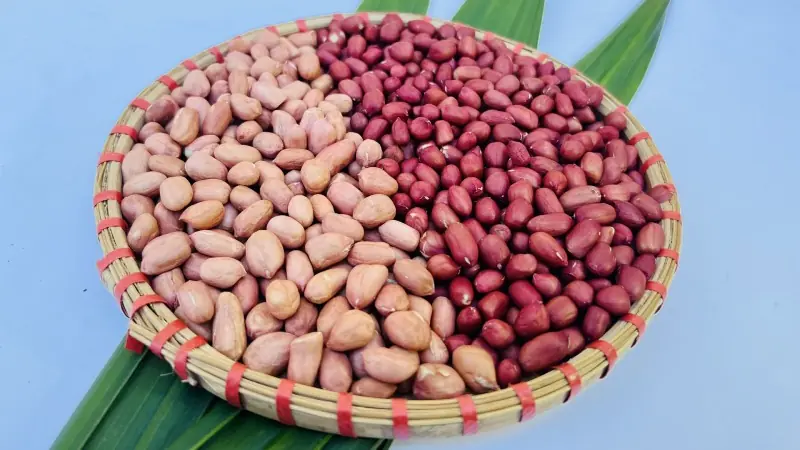
Red vs. White Peanuts: The Key Differences You Need to Know
3 Reliable Methods to Defrost Fish Properly and Safely
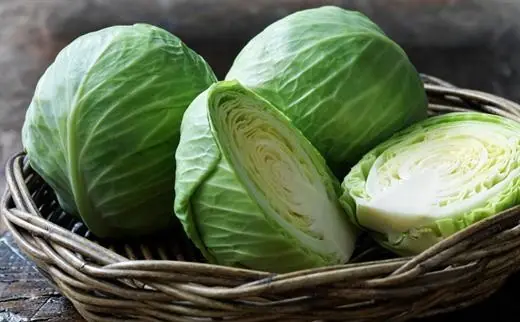
Cabbage isn’t for everyone—know who should avoid it.

Night leg cramps? Don’t ignore these warning signs.

Unusual body odors may signal serious liver problems early.

Boost blood flow naturally with these essential vitamins.

Early dementia signs many people ignore until it’s too late.

Early warning signs of cancer your body may be showing now.

Onions and uric acid: truth behind stroke risk and diet choices.

Unusual foot signs may be early warnings of kidney problems.

Take Care of Your Kidneys by Avoiding These 4 Drinks
Place these leaves by your doorway to naturally keep flies and mosquitoes away

Can’t Stop Feeling Mucus in Your Throat? Here’s Why
4 Moments Each Day When Eating Sweet Potatoes Can Transform Your Health

Could Cancer Cells Be in Your Body? Watch Out for These 5 Signs in the Morning

This Common Sensation While Lying Down Might Signal a Hidden Health Issue
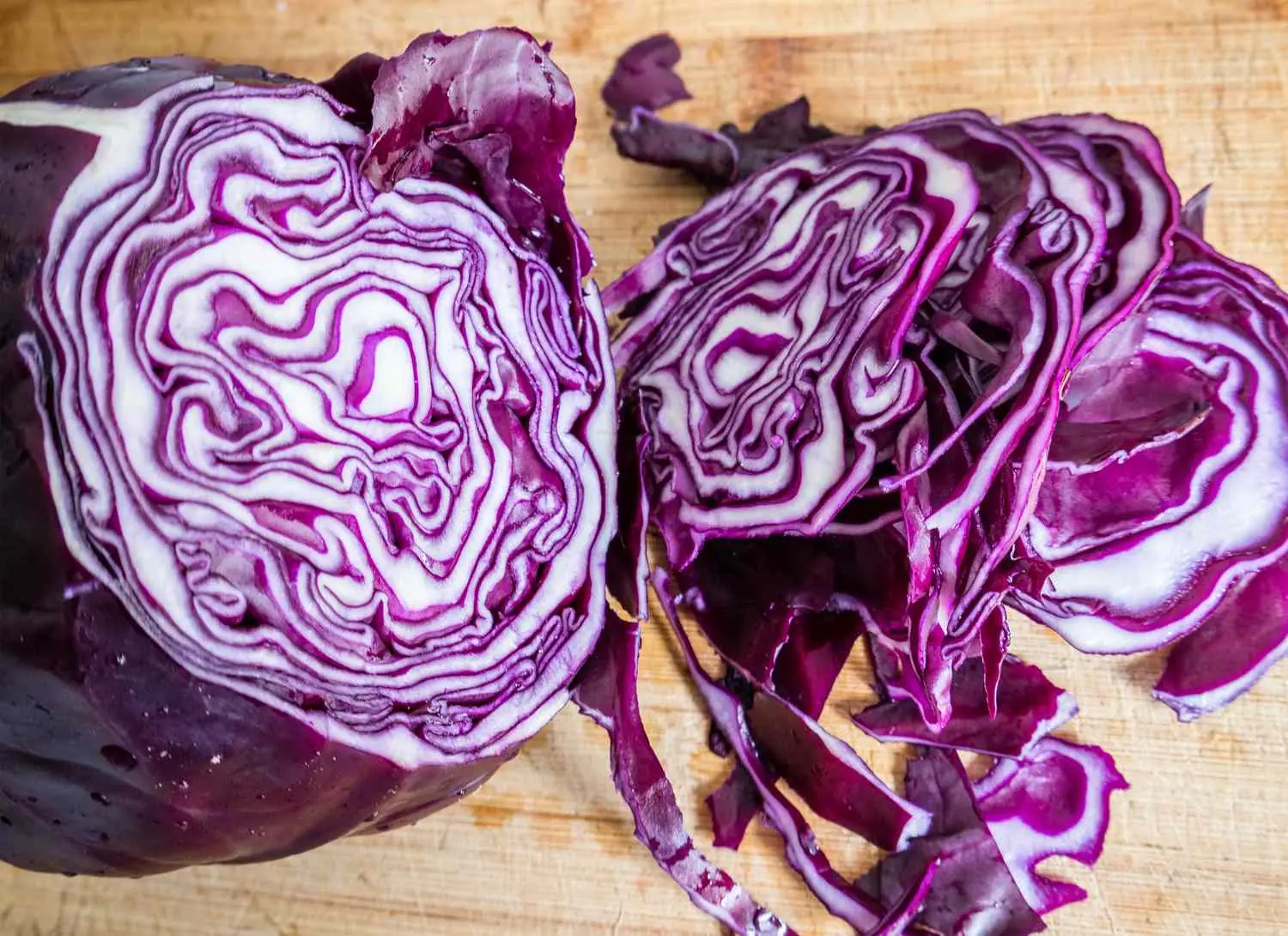
You Won’t Believe What Eating Red Cabbage Does to Your Body…

A common vegetable may pose risks if consumed improperly.

Ignoring early symptoms can delay colon cancer diagnosis.
Try eating pineapple every day — here’s what you might notice

Know these key facts before adding sweet potatoes to your diet.