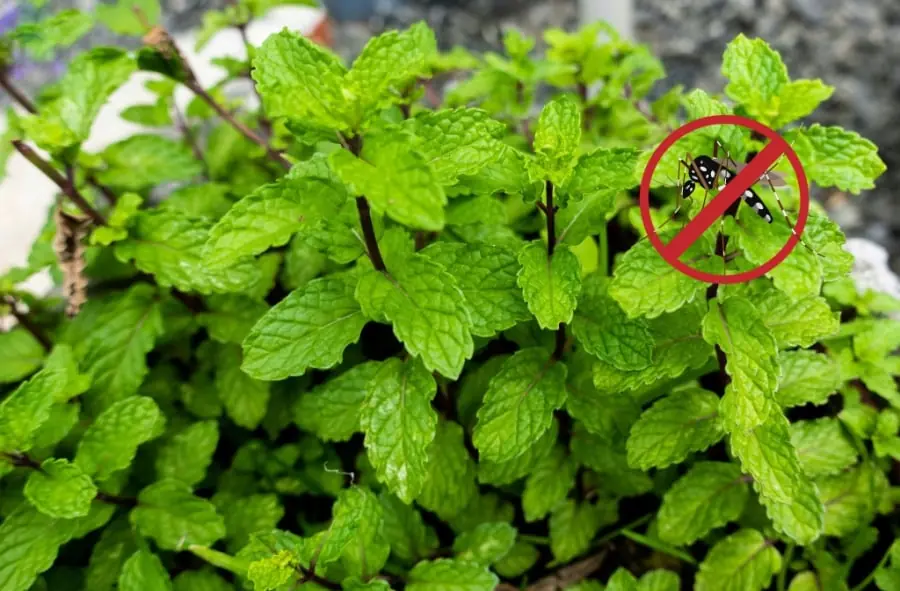
Hang a few of these leaves at your door and say goodbye to flies and mosquitoes
Place these leaves by your doorway to naturally keep flies and mosquitoes away
Tips 29/03/2026 01:15
Accidentally adding too much salt to a dish is one of the most common cooking mistakes—and one of the most frustrating. While adding water might seem like the easiest fix, it often weakens flavor, changes texture, and can ruin the intended consistency of the dish.
Fortunately, there are several smart, chef-approved techniques to balance excessive saltiness without diluting your meal. These methods focus on rebalancing flavors, absorbing salt, or masking its intensity, allowing you to rescue your dish while preserving its original quality.

It’s important to know that once salt is added, you can’t truly remove it. The goal is to balance the taste so the saltiness becomes less noticeable.
This can be achieved by introducing other elements—sweetness, acidity, fat, or bulk—that counteract or redistribute the salt.
A small amount of sweetness can neutralize excessive saltiness by creating contrast.
Sweetness doesn’t remove salt but distracts your taste buds, making the dish feel more balanced.
Tip: Add gradually - too much can make the dish overly sweet.

Acidic ingredients can cut through saltiness and bring balance to the overall flavor.
Acidity sharpens flavors and reduces the perception of heaviness caused by too much salt.
One of the most effective methods is to add more unsalted ingredients to distribute the salt.
This works especially well for soups, stews, stir-fries, and sauces.
Fat can help mellow strong flavors, including salt.
Fat coats the tongue, reducing the sharpness of salt and creating a smoother taste.
Starches can help absorb some of the excess salt while adding bulk to the dish.
For example, adding a peeled potato to a soup while it cooks can help draw out some salt, though the effect is moderate rather than complete.
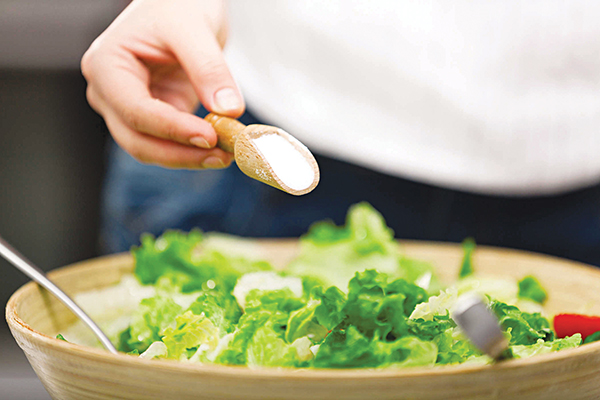
While you want to avoid water, you can still use flavorful liquids to balance saltiness.
These maintain flavor while reducing the concentration of salt.
If the dish is already finished, pairing it with neutral or bland foods can help balance the overall meal.
This spreads the saltiness across multiple components, making it less overwhelming.
Instead of adding water, you can dilute with similar but unsalted components.
For instance:
This preserves the intended flavor profile while reducing salt concentration.
Cooking is a balance of flavors - fixing saltiness requires a careful, gradual approach.
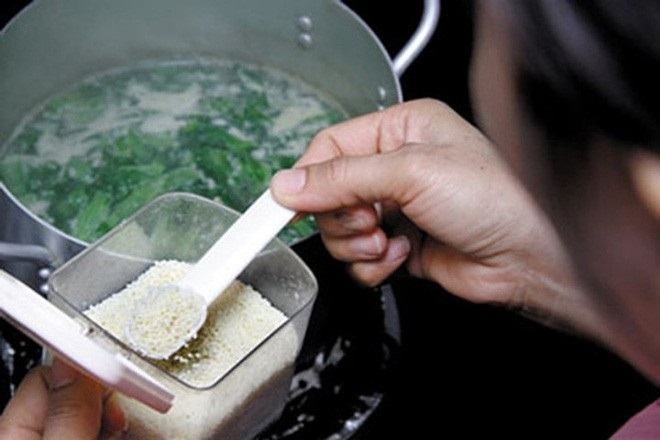
An overly salty dish doesn’t have to be a disaster. With the right techniques, you can restore balance and even enhance the complexity of your meal.
By using sweetness, acidity, fat, or additional ingredients, you can correct saltiness without compromising texture or flavor. The key is to adjust slowly, taste frequently, and aim for harmony rather than perfection.
Even experienced chefs make mistakes - the difference lies in knowing how to fix them.
Place these leaves by your doorway to naturally keep flies and mosquitoes away

Why do smart individuals prefer placing their phones screen-down when idle?

Practical Ways to Loosen and Open Jar Lids with Ease

Japan’s Proven Approach to Drying Bulky Clothes Quickly and Effectively
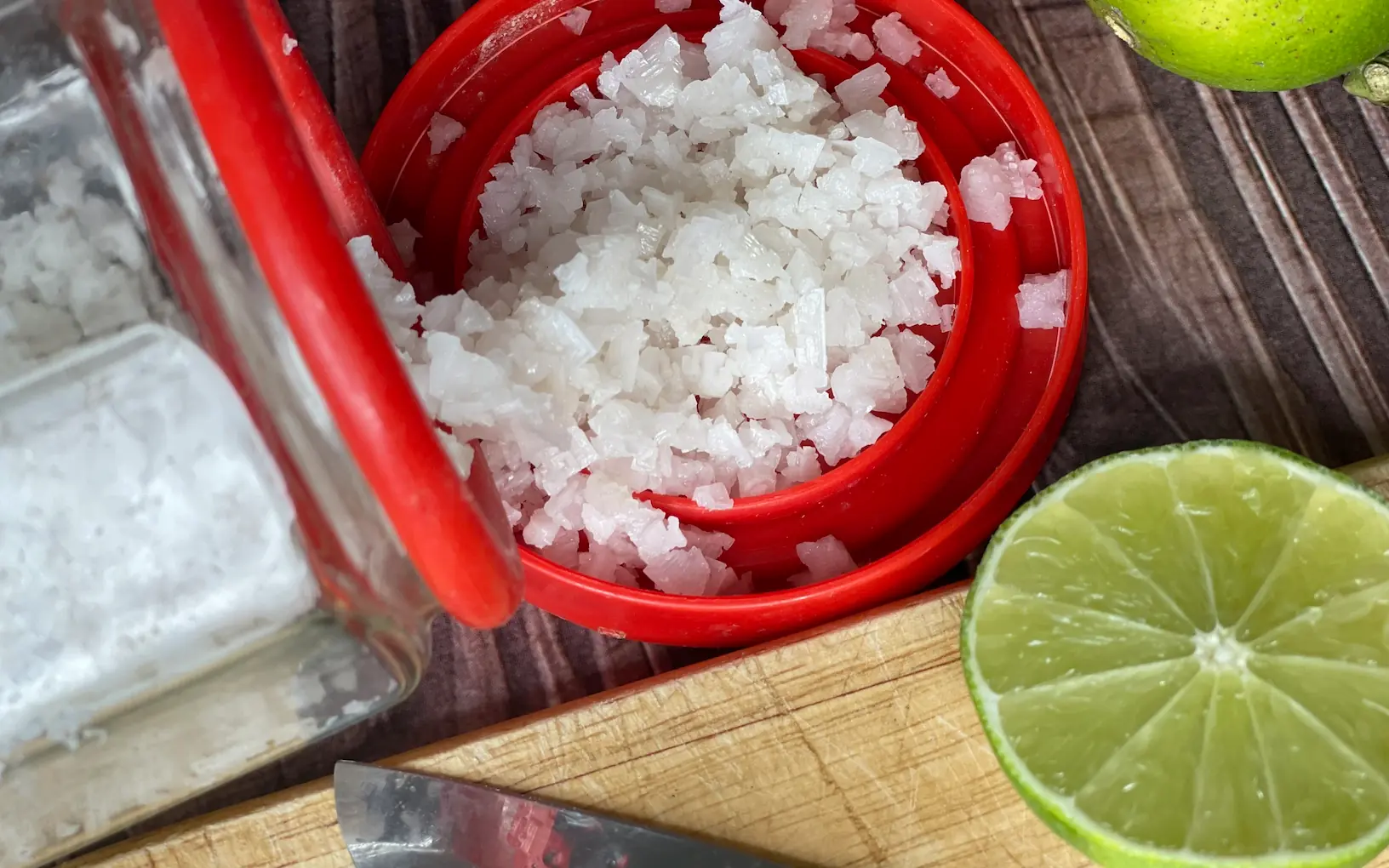
5 Surprising Benefits of Putting Lemon with Salt in Your Room

These 5 Plants Can Help Keep Snakes Away
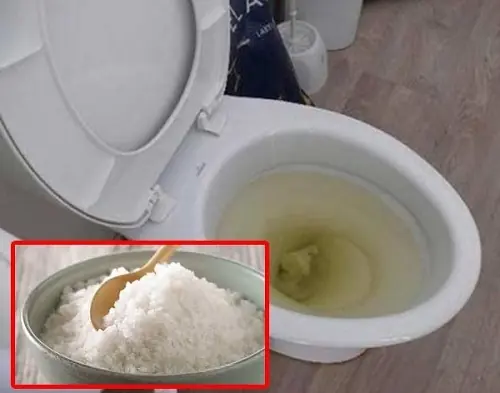
Pour salt into your toilet and see what happens
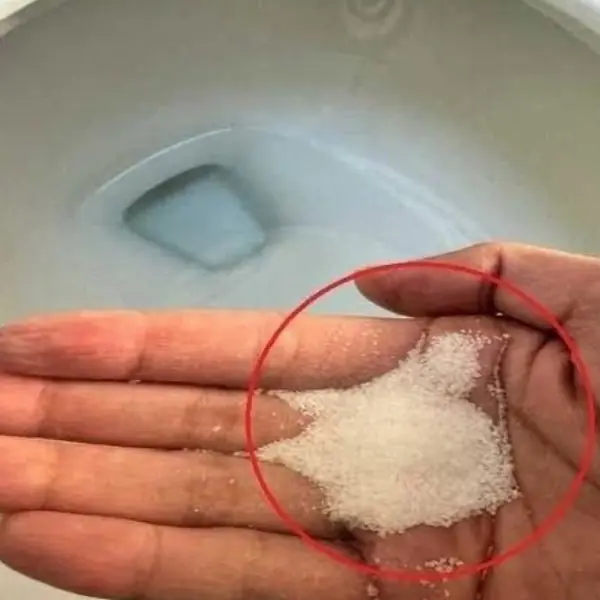
Why people are putting salt in toilets—does it really work?

How to Grow Your Hair Faster and Make It Stronger Naturally

Add this to your floor cleaning routine to keep your home spotless and dust-free for a week
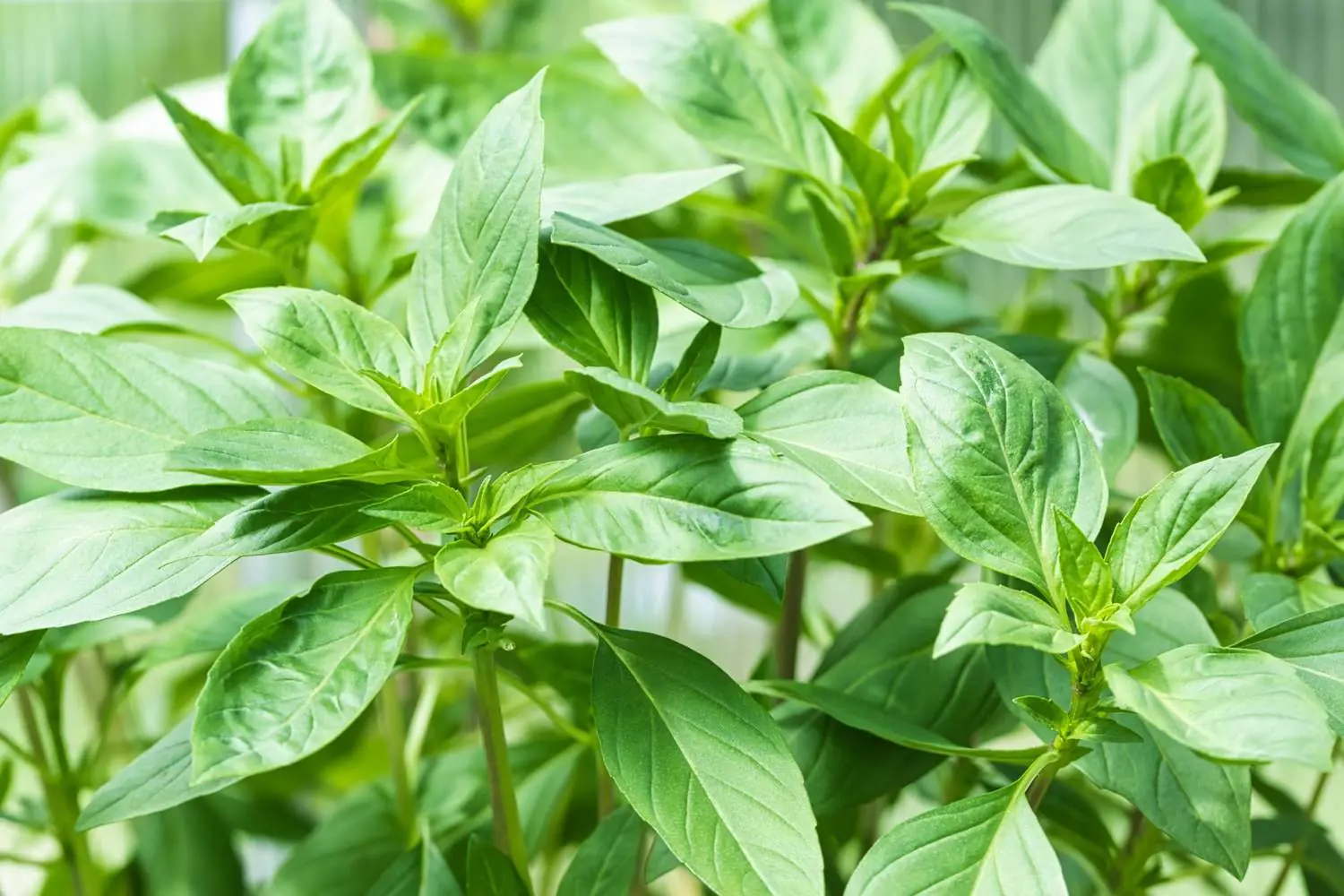
The Benefits of Growing Basil Indoors, Even in Small Spaces

A recipe to remove all the cancer cells from your body and prevent vision loss.

Not all fish are healthy—some may contain hidden toxins

Easy tips for fixing clogged pipes at home

Guide to planting chili peppers in pots to produce more fruit

What happens to your body when you start each day with ginger and red date tea?

Red vs. White Peanuts: The Key Differences You Need to Know
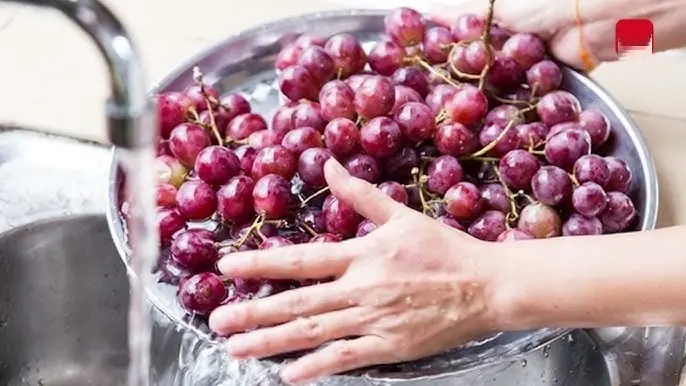
This simple trick removes even hidden dirt and insect eggs

How to Defrost Meat Quickly While Keeping It Fresh

Cabbage isn’t for everyone—know who should avoid it.

Night leg cramps? Don’t ignore these warning signs.

Unusual body odors may signal serious liver problems early.

Boost blood flow naturally with these essential vitamins.

Early dementia signs many people ignore until it’s too late.

Early warning signs of cancer your body may be showing now.

Onions and uric acid: truth behind stroke risk and diet choices.

Unusual foot signs may be early warnings of kidney problems.

Take Care of Your Kidneys by Avoiding These 4 Drinks
Place these leaves by your doorway to naturally keep flies and mosquitoes away

Can’t Stop Feeling Mucus in Your Throat? Here’s Why

4 Moments Each Day When Eating Sweet Potatoes Can Transform Your Health

Could Cancer Cells Be in Your Body? Watch Out for These 5 Signs in the Morning

This Common Sensation While Lying Down Might Signal a Hidden Health Issue
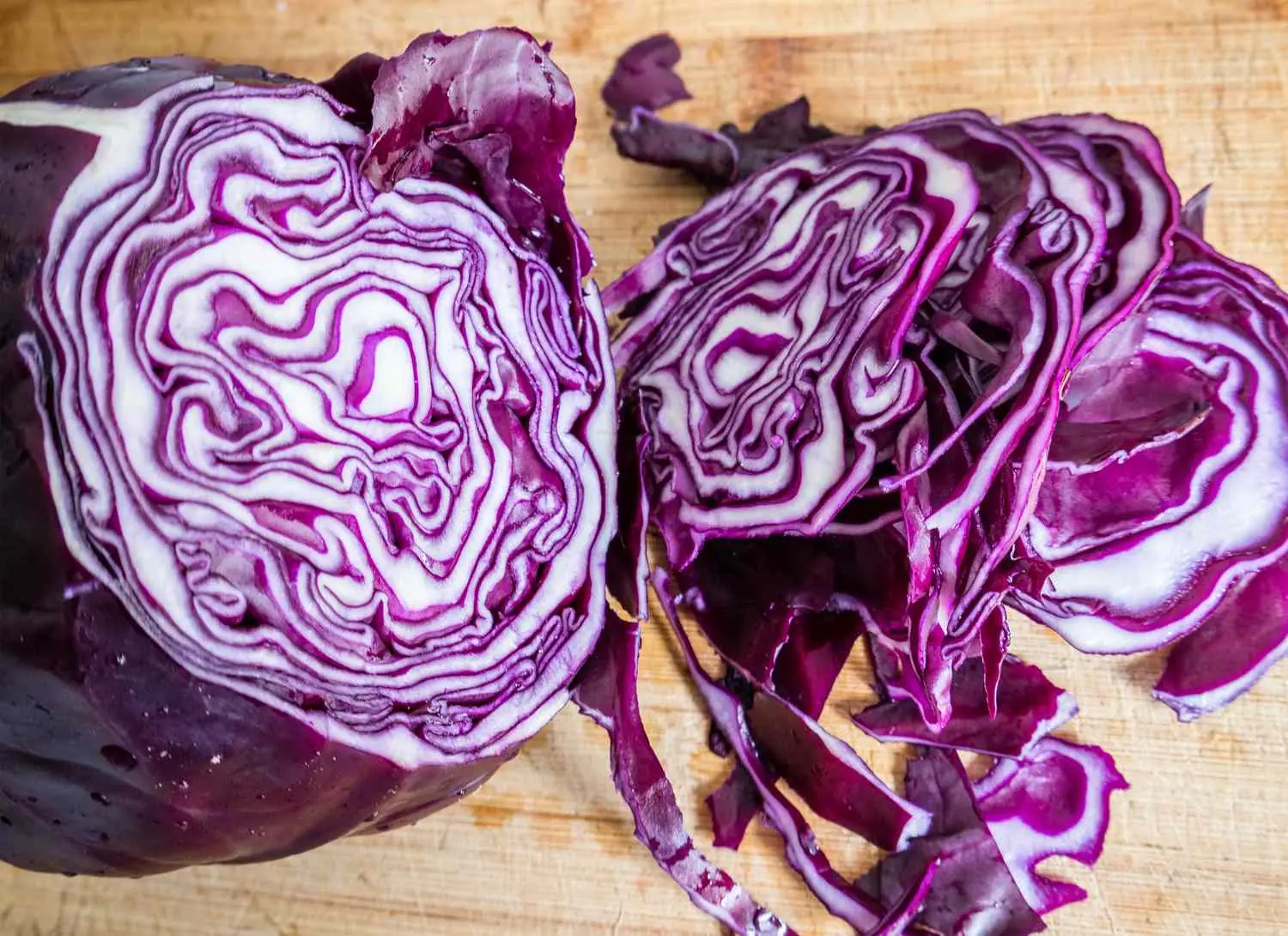
You Won’t Believe What Eating Red Cabbage Does to Your Body…

A common vegetable may pose risks if consumed improperly.
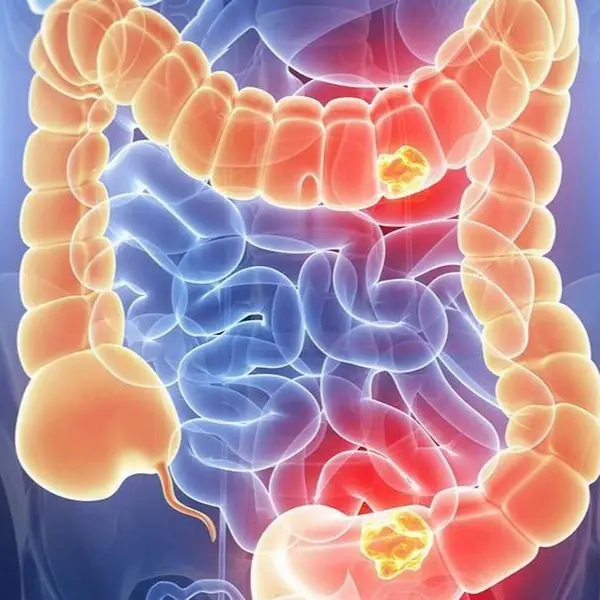
Ignoring early symptoms can delay colon cancer diagnosis.

Try eating pineapple every day — here’s what you might notice

Know these key facts before adding sweet potatoes to your diet.

A common habit may increase the risk of nasal fungal infection.