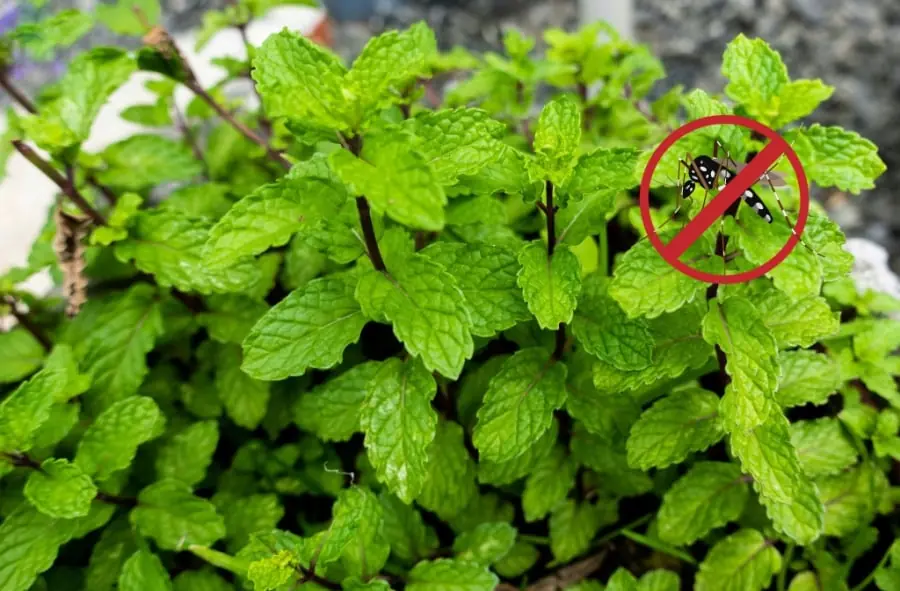
Hang a few of these leaves at your door and say goodbye to flies and mosquitoes
Place these leaves by your doorway to naturally keep flies and mosquitoes away
Tips 29/03/2026 01:15
Achieving long, thick, and healthy hair is a goal shared by many, yet it often feels frustratingly out of reach. Hair growth is influenced by a complex combination of genetics, nutrition, lifestyle habits, and proper care routines. While there is no overnight miracle solution, the good news is that consistent and science-backed practices can significantly improve both the speed of hair growth and the overall quality of your strands.
This guide breaks down everything you need to know to support faster hair growth and achieve visibly thicker, healthier hair.
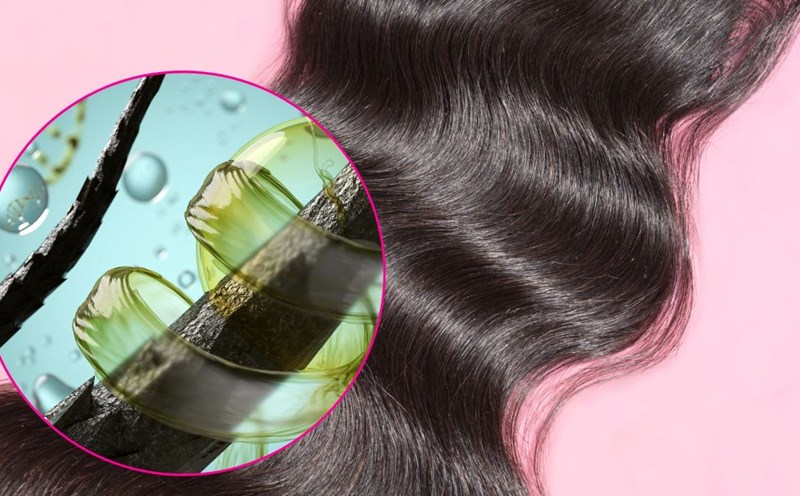
Before diving into solutions, it's important to understand the basics. Hair grows in cycles consisting of three main phases:
The key to longer and thicker hair lies in extending the growth phase and minimizing hair loss.
Healthy hair starts with proper nutrition. Hair follicles require a steady supply of vitamins, minerals, and proteins to function optimally.
A balanced diet alone can dramatically improve hair texture and growth over time.
Think of your scalp as the “soil” where your hair grows. If the scalp is unhealthy, hair growth will suffer.
A healthy scalp creates the perfect environment for consistent hair growth.
Choose the Right Hair Care Routine
Using the wrong products or over-styling your hair can slow down growth and cause breakage.
Hair growth isn't just about growing new strands—it’s also about preventing breakage, so your hair retains its length.
Even small habits can negatively impact hair health over time.
Reducing mechanical and chemical damage is crucial for maintaining thicker hair.

Natural oils have been used for centuries to improve hair strength and stimulate growth.
Apply oils 1–2 times per week and massage gently into the scalp for best results.
Stress is a major but often overlooked cause of hair loss. High stress levels can push hair into the shedding phase prematurely.
A balanced lifestyle supports not only your overall health but also your hair growth cycle.
Hair typically grows about 1–1.5 cm per month, so visible results take time. Many people give up too early or switch routines too often.
Consistency is key. Stick to a healthy routine for at least 8–12 weeks before expecting noticeable changes.
If you experience excessive hair loss, thinning patches, or sudden shedding, it may be a sign of an underlying condition such as:
In such cases, consulting a dermatologist or healthcare professional is essential for proper diagnosis and treatment.

Growing thicker, healthier hair isn’t about quick fixes - it’s about building a sustainable routine that supports your hair from the inside out. By focusing on proper nutrition, scalp care, gentle handling, and a balanced lifestyle, you can significantly improve both the speed and quality of your hair growth.
The journey to stronger hair requires patience, but with the right habits, the results are absolutely worth it.
Place these leaves by your doorway to naturally keep flies and mosquitoes away

Why do smart individuals prefer placing their phones screen-down when idle?

Practical Ways to Loosen and Open Jar Lids with Ease

What are ways to reduce saltiness in food without adding liquid?

Japan’s Proven Approach to Drying Bulky Clothes Quickly and Effectively

5 Surprising Benefits of Putting Lemon with Salt in Your Room

These 5 Plants Can Help Keep Snakes Away

Pour salt into your toilet and see what happens

Why people are putting salt in toilets—does it really work?

Add this to your floor cleaning routine to keep your home spotless and dust-free for a week
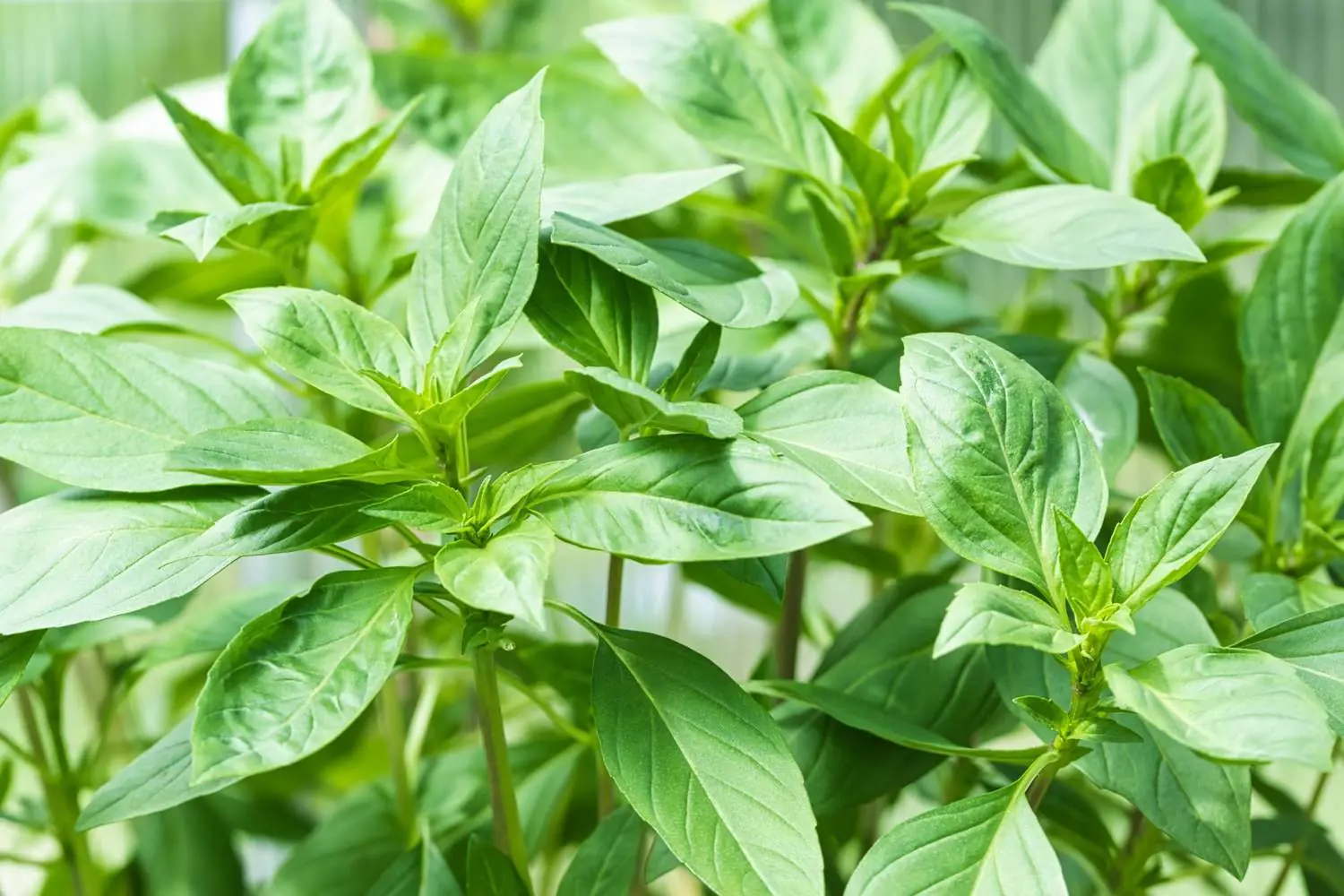
The Benefits of Growing Basil Indoors, Even in Small Spaces

A recipe to remove all the cancer cells from your body and prevent vision loss.

Not all fish are healthy—some may contain hidden toxins

Easy tips for fixing clogged pipes at home

Guide to planting chili peppers in pots to produce more fruit

What happens to your body when you start each day with ginger and red date tea?

Red vs. White Peanuts: The Key Differences You Need to Know

This simple trick removes even hidden dirt and insect eggs

How to Defrost Meat Quickly While Keeping It Fresh

Cabbage isn’t for everyone—know who should avoid it.
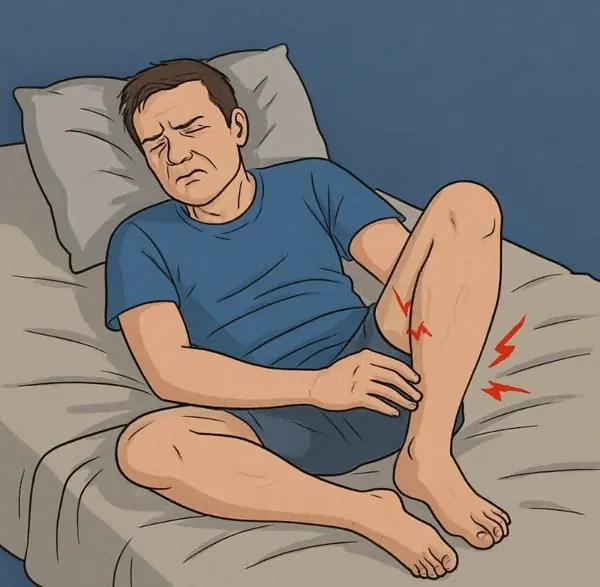
Night leg cramps? Don’t ignore these warning signs.

Unusual body odors may signal serious liver problems early.
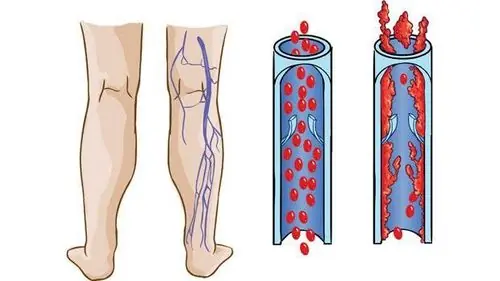
Boost blood flow naturally with these essential vitamins.

Early dementia signs many people ignore until it’s too late.

Early warning signs of cancer your body may be showing now.

Onions and uric acid: truth behind stroke risk and diet choices.

Unusual foot signs may be early warnings of kidney problems.

Take Care of Your Kidneys by Avoiding These 4 Drinks
Place these leaves by your doorway to naturally keep flies and mosquitoes away

Can’t Stop Feeling Mucus in Your Throat? Here’s Why

4 Moments Each Day When Eating Sweet Potatoes Can Transform Your Health

Could Cancer Cells Be in Your Body? Watch Out for These 5 Signs in the Morning

This Common Sensation While Lying Down Might Signal a Hidden Health Issue
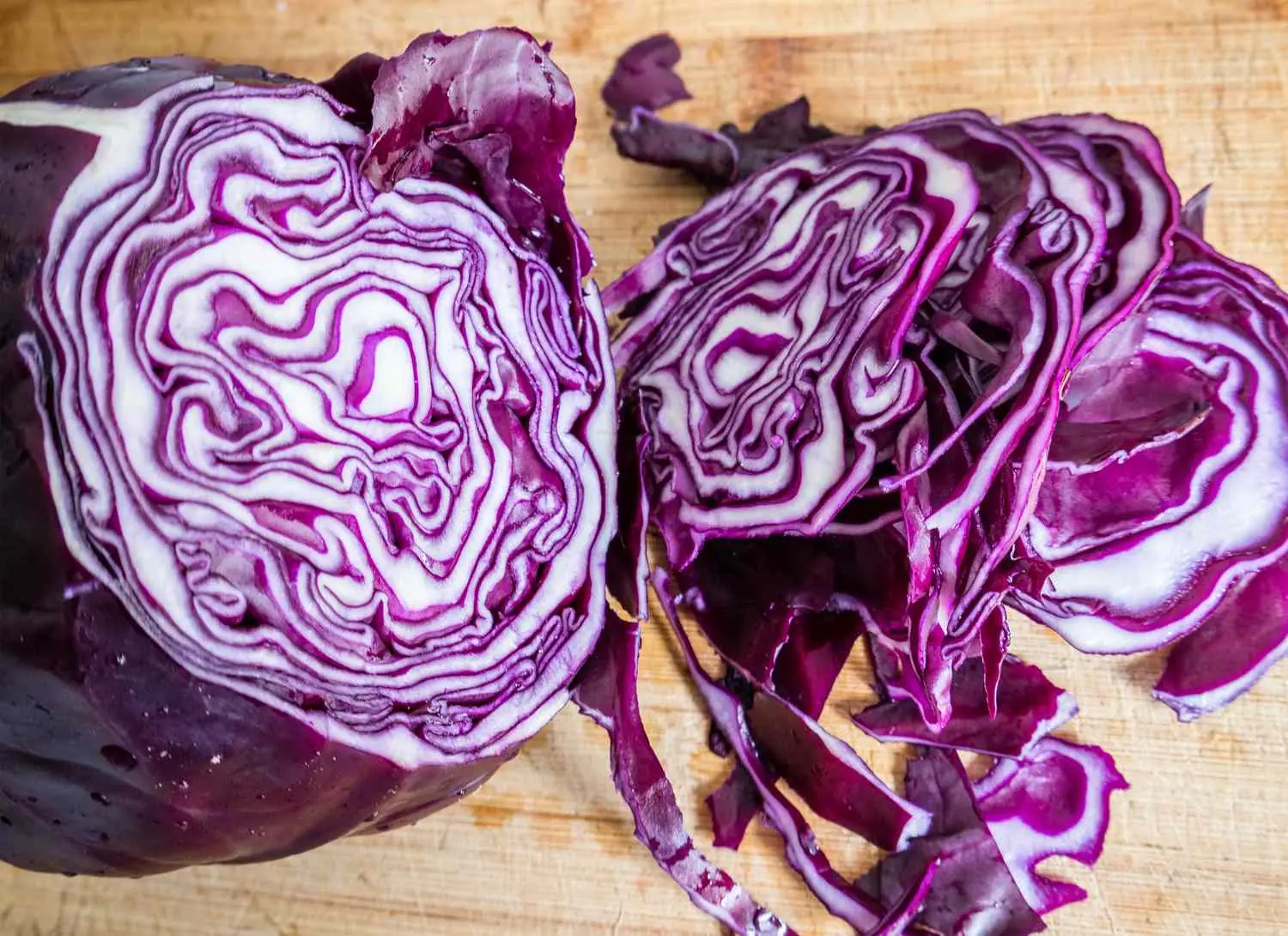
You Won’t Believe What Eating Red Cabbage Does to Your Body…

A common vegetable may pose risks if consumed improperly.

Ignoring early symptoms can delay colon cancer diagnosis.

Try eating pineapple every day — here’s what you might notice

Know these key facts before adding sweet potatoes to your diet.

A common habit may increase the risk of nasal fungal infection.