You’ve likely seen cloves before, but you may not realize just how beneficial clove water can be
You may already know cloves, but you probably haven’t discovered how powerful clove water really is
Health 29/03/2026 13:47
Cabbage is widely known as a healthy vegetable packed with vitamins, fiber, and antioxidants. It is commonly included in salads, soups, and many traditional dishes around the world. However, despite its numerous health benefits, cabbage is not suitable for everyone.
For some individuals, consuming cabbage may lead to discomfort or even worsen certain health conditions. Understanding who should limit or avoid cabbage can help prevent unnecessary health risks.
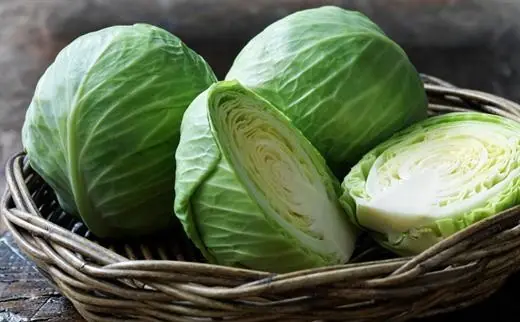
Before exploring who should avoid cabbage, it’s important to recognize why it is considered healthy.
Cabbage is rich in:
For most people, it is a nutritious addition to a balanced diet.
Cabbage belongs to a group of vegetables known as cruciferous vegetables, which contain compounds called goitrogens. These substances can interfere with thyroid function, particularly in people with hypothyroidism.
Cooking cabbage can reduce these effects, but individuals with thyroid issues should still consume it in moderation.
Cabbage is high in fiber and certain sugars that can be difficult to digest for some people. This may lead to:
People with conditions like irritable bowel syndrome (IBS) may find that cabbage worsens their symptoms.
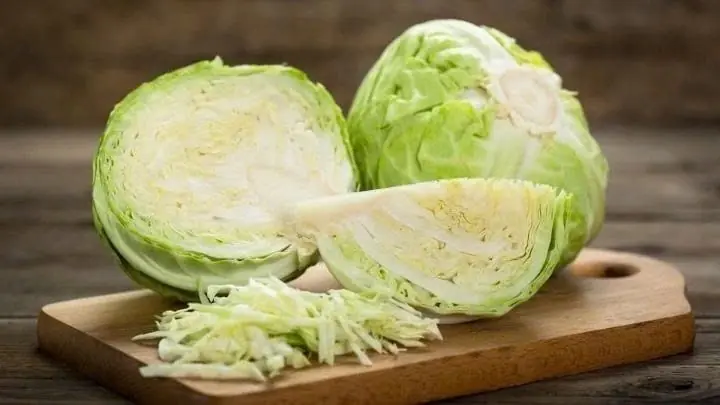
Even for healthy individuals, eating large amounts of cabbage—especially raw—can cause excessive gas. This is due to its high fiber content and sulfur compounds.
If you frequently experience bloating, it may be helpful to:
Cabbage contains a high amount of vitamin K, which plays a role in blood clotting. For individuals taking anticoagulant medications (such as warfarin), consuming large amounts of cabbage can interfere with medication effectiveness.
Always consult a healthcare provider before making dietary changes.
Certain compounds in cabbage may affect people with kidney conditions, especially those who need to monitor potassium or other nutrients.
While cabbage is not extremely high in potassium, excessive intake may still be a concern depending on the individual’s condition.
Because of its vitamin K content, cabbage may influence blood clotting. Individuals scheduled for surgery are often advised to monitor or limit foods that affect clotting.
Reducing cabbage intake before surgery may help minimize complications.
Although rare, some individuals may have allergic reactions or sensitivities to cabbage. Symptoms can include:
If you notice unusual reactions after eating cabbage, it is best to avoid it and consult a doctor.
If you enjoy cabbage but fall into one of the above groups, you don’t necessarily have to eliminate it completely. Instead, consider these tips:
You should consult a healthcare professional if:
Personalized advice is always the safest approach.
Cabbage is a healthy and versatile vegetable, but it is not suitable for everyone. People with thyroid disorders, digestive issues, or those taking certain medications should be cautious with their intake.
Understanding how your body reacts to different foods is essential for maintaining good health. When in doubt, moderation and professional guidance are the best strategies.
You may already know cloves, but you probably haven’t discovered how powerful clove water really is
Don’t Miss These 6 Early Warning Symptoms of Stage 1 Colon Can.cer

Longevity secrets: diet habits linked to cancer prevention.
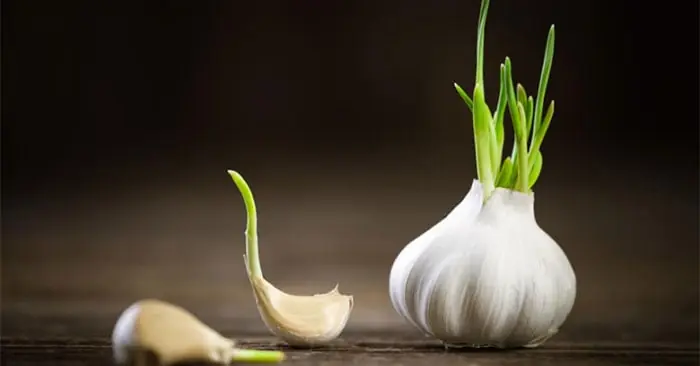
Surprising Benefits of Eating Sprouted Garlic You Didn’t Know
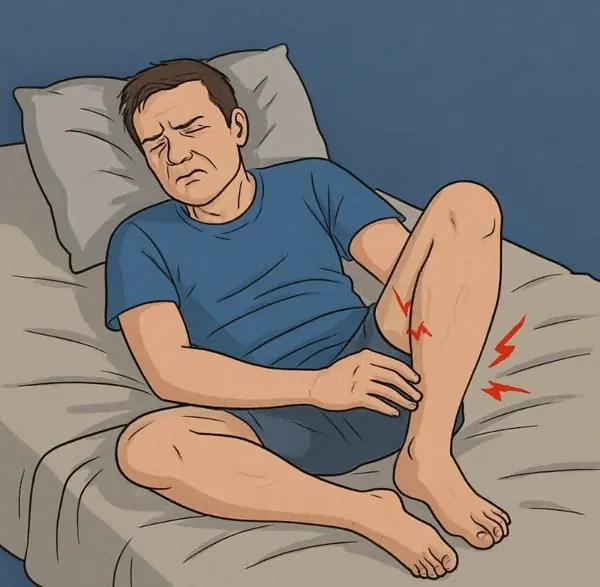
Night leg cramps? Don’t ignore these warning signs.

Unusual body odors may signal serious liver problems early.
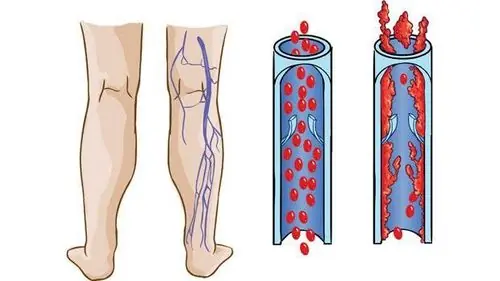
Boost blood flow naturally with these essential vitamins.

Early dementia signs many people ignore until it’s too late.

Onions and uric acid: truth behind stroke risk and diet choices.

Unusual foot signs may be early warnings of kidney problems.

Take Care of Your Kidneys by Avoiding These 4 Drinks

Can’t Stop Feeling Mucus in Your Throat? Here’s Why

4 Moments Each Day When Eating Sweet Potatoes Can Transform Your Health
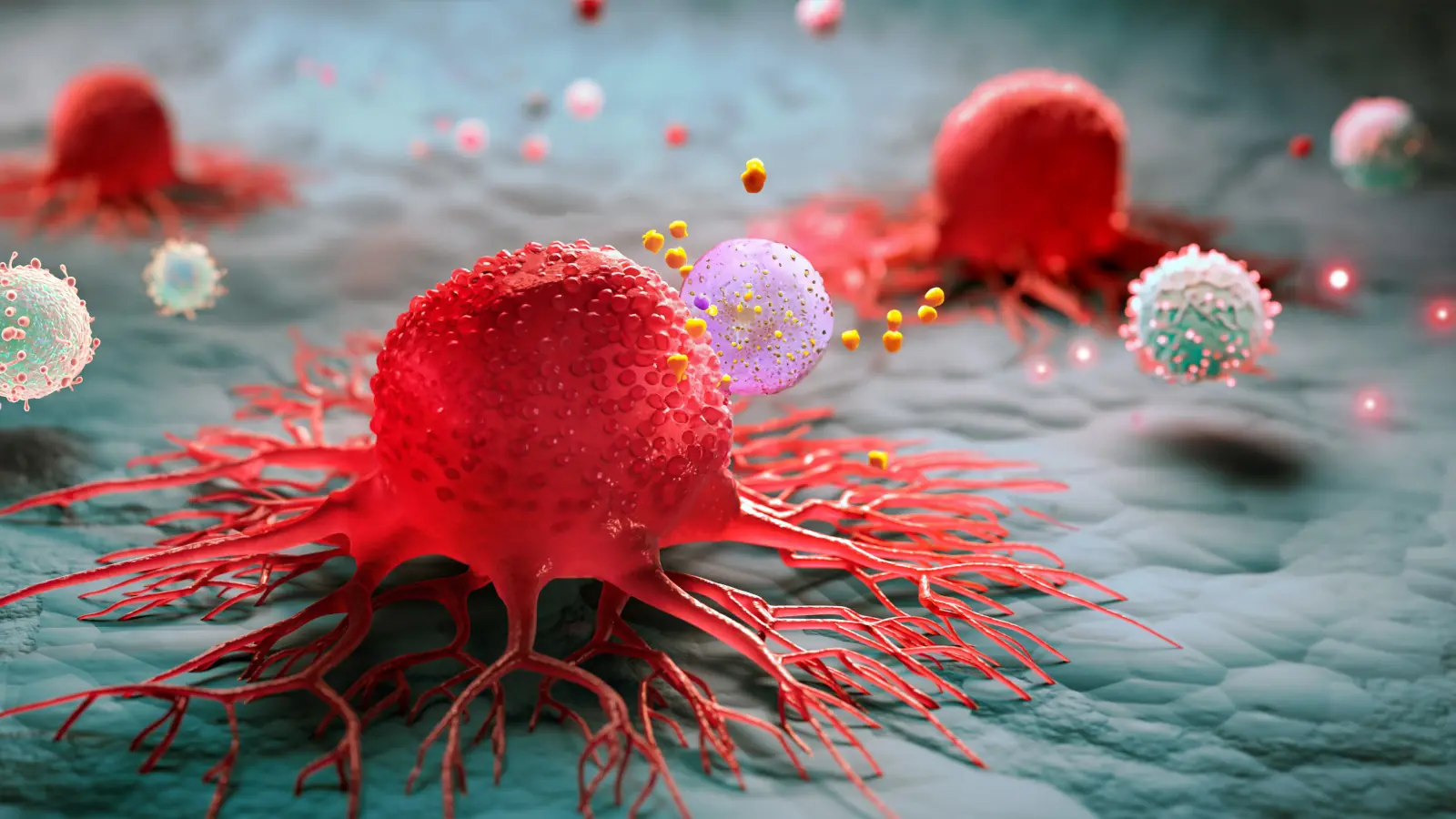
Could Cancer Cells Be in Your Body? Watch Out for These 5 Signs in the Morning

This Common Sensation While Lying Down Might Signal a Hidden Health Issue

A common vegetable may pose risks if consumed improperly.
Ignoring early symptoms can delay colon cancer diagnosis.

Know these key facts before adding sweet potatoes to your diet.
You may already know cloves, but you probably haven’t discovered how powerful clove water really is
Don’t Miss These 6 Early Warning Symptoms of Stage 1 Colon Can.cer
Longevity secrets: diet habits linked to cancer prevention.

If a millipede crawls into your house, pause before taking action
Surprising Benefits of Eating Sprouted Garlic You Didn’t Know
3 Reliable Methods to Defrost Fish Properly and Safely
Night leg cramps? Don’t ignore these warning signs.
Unusual body odors may signal serious liver problems early.
Boost blood flow naturally with these essential vitamins.
Early dementia signs many people ignore until it’s too late.

Early warning signs of cancer your body may be showing now.
Onions and uric acid: truth behind stroke risk and diet choices.
Unusual foot signs may be early warnings of kidney problems.
Take Care of Your Kidneys by Avoiding These 4 Drinks
Place these leaves by your doorway to naturally keep flies and mosquitoes away
Can’t Stop Feeling Mucus in Your Throat? Here’s Why
4 Moments Each Day When Eating Sweet Potatoes Can Transform Your Health
Could Cancer Cells Be in Your Body? Watch Out for These 5 Signs in the Morning
This Common Sensation While Lying Down Might Signal a Hidden Health Issue