
You’ve likely seen cloves before, but you may not realize just how beneficial clove water can be
You may already know cloves, but you probably haven’t discovered how powerful clove water really is
Health 29/03/2026 13:47
Dementia is a progressive condition that affects memory, thinking, and daily functioning. While it is commonly associated with aging, it is not a normal part of growing older. Early detection plays a crucial role in managing symptoms and improving quality of life. Unfortunately, many early warning signs are subtle and often overlooked.
Understanding these signs can help individuals and families take action sooner rather than later.

Dementia is not a single disease but a term used to describe a group of symptoms affecting cognitive function. Alzheimer’s disease is the most common type, but there are other forms, including vascular dementia and Lewy body dementia.
It typically develops gradually, making early symptoms easy to dismiss as normal aging or stress-related issues.
One of the earliest and most common signs is forgetting recently learned information. Individuals may repeatedly ask the same questions, rely heavily on reminders, or forget important dates and events.
Occasional forgetfulness is normal, but frequent memory lapses that interfere with daily life are not.
People may struggle with tasks that require concentration, such as managing finances, following recipes, or organizing schedules. Simple tasks that were once routine can become confusing.
Losing track of dates, seasons, or the passage of time is another early indicator. Individuals may forget where they are or how they got there.
Daily activities like driving to a familiar location, using household appliances, or remembering the rules of a favorite game may become difficult.

People with early dementia may have trouble finding the right words, following conversations, or repeating themselves. They might stop mid-sentence or struggle to name common objects.
Placing items in unusual locations and being unable to retrace steps to find them is a common sign. This may also lead to suspicion or accusations toward others.
A noticeable decline in decision-making abilities can occur. This may include poor financial decisions, neglecting personal hygiene, or inappropriate social behavior.
Individuals may begin to avoid hobbies, social events, or interactions they once enjoyed. This can be due to embarrassment, confusion, or difficulty keeping up with conversations.
Mood swings, increased anxiety, depression, or irritability may develop. A person may become unusually fearful, suspicious, or easily upset.
Changes in sleep patterns, such as excessive daytime sleeping or restlessness at night, can also be early signs of dementia.
Recognizing these symptoms early allows for better management of the condition. While there is currently no cure for most types of dementia, early intervention can:
If you or a loved one experiences several of these symptoms consistently, it is important to consult a healthcare professional. Early evaluation can help determine the cause and rule out other conditions that may mimic dementia.
Although dementia cannot always be prevented, certain habits may reduce risk:
Dementia often begins with subtle changes that are easy to ignore. However, paying attention to these early warning signs can make a significant difference. Acting early not only helps manage the condition more effectively but also provides valuable time to plan and maintain a better quality of life.
You may already know cloves, but you probably haven’t discovered how powerful clove water really is

Don’t Miss These 6 Early Warning Symptoms of Stage 1 Colon Can.cer

Longevity secrets: diet habits linked to cancer prevention.

Surprising Benefits of Eating Sprouted Garlic You Didn’t Know

Cabbage isn’t for everyone—know who should avoid it.
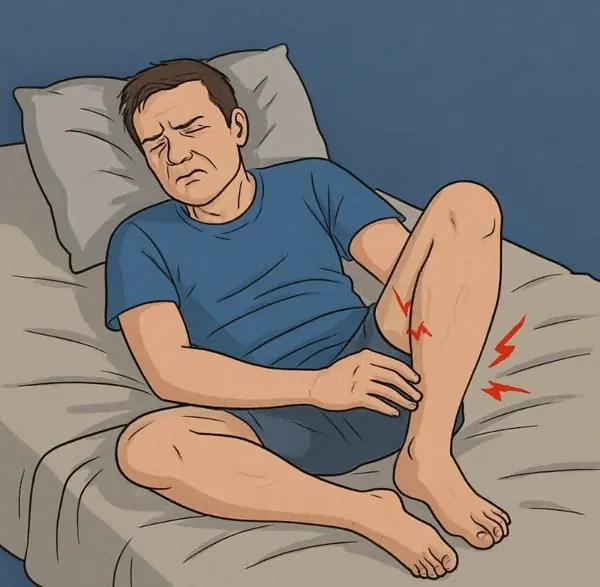
Night leg cramps? Don’t ignore these warning signs.

Unusual body odors may signal serious liver problems early.
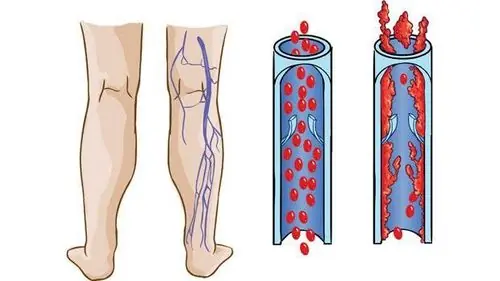
Boost blood flow naturally with these essential vitamins.

Onions and uric acid: truth behind stroke risk and diet choices.

Unusual foot signs may be early warnings of kidney problems.

Take Care of Your Kidneys by Avoiding These 4 Drinks

Can’t Stop Feeling Mucus in Your Throat? Here’s Why

4 Moments Each Day When Eating Sweet Potatoes Can Transform Your Health

Could Cancer Cells Be in Your Body? Watch Out for These 5 Signs in the Morning

This Common Sensation While Lying Down Might Signal a Hidden Health Issue

A common vegetable may pose risks if consumed improperly.

Ignoring early symptoms can delay colon cancer diagnosis.

Know these key facts before adding sweet potatoes to your diet.
You may already know cloves, but you probably haven’t discovered how powerful clove water really is
Don’t Miss These 6 Early Warning Symptoms of Stage 1 Colon Can.cer
Longevity secrets: diet habits linked to cancer prevention.

If a millipede crawls into your house, pause before taking action
Surprising Benefits of Eating Sprouted Garlic You Didn’t Know

3 Reliable Methods to Defrost Fish Properly and Safely
Cabbage isn’t for everyone—know who should avoid it.
Night leg cramps? Don’t ignore these warning signs.
Unusual body odors may signal serious liver problems early.
Boost blood flow naturally with these essential vitamins.

Early warning signs of cancer your body may be showing now.
Onions and uric acid: truth behind stroke risk and diet choices.
Unusual foot signs may be early warnings of kidney problems.
Take Care of Your Kidneys by Avoiding These 4 Drinks

Place these leaves by your doorway to naturally keep flies and mosquitoes away
Can’t Stop Feeling Mucus in Your Throat? Here’s Why
4 Moments Each Day When Eating Sweet Potatoes Can Transform Your Health
Could Cancer Cells Be in Your Body? Watch Out for These 5 Signs in the Morning
This Common Sensation While Lying Down Might Signal a Hidden Health Issue