
You’ve likely seen cloves before, but you may not realize just how beneficial clove water can be
You may already know cloves, but you probably haven’t discovered how powerful clove water really is
Health 29/03/2026 13:47
The tragic story of a 20-year-old teacher who lost her life to liver cancer has sparked widespread concern and awareness. According to doctors, her condition may have shown early warning signs that were easy to overlook—particularly unusual body odors.
While liver disease often develops silently, certain subtle symptoms can provide critical clues. Recognizing these signs early can make a life-saving difference.
The liver is one of the most vital organs in the body. It performs essential functions such as detoxifying harmful substances, producing bile for digestion, and regulating metabolism.
When the liver becomes damaged—due to disease, infection, or cancer—it can no longer filter toxins effectively. As a result, these toxins may accumulate in the body, leading to noticeable changes, including unusual odors.
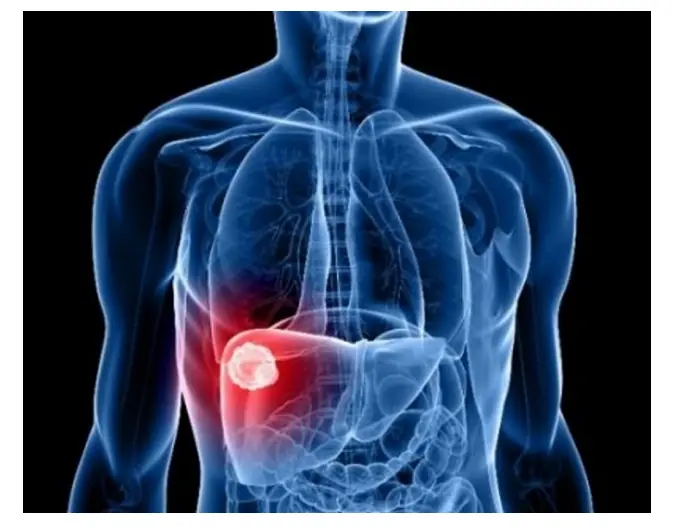
Doctors warn that certain odors in the body may be associated with liver dysfunction. This condition is sometimes referred to as “fetor hepaticus,” a distinct smell caused by the buildup of toxins in the bloodstream.
When the liver fails to process substances properly, they can be released through breath, sweat, and bodily waste—producing unusual or strong odors.
One of the most recognized signs of liver issues is a sweet, musty smell in the breath. This occurs when toxins like dimethyl sulfide accumulate in the bloodstream and are expelled through the lungs.
This odor is often described as:
If bad breath does not improve with oral hygiene, it may indicate an internal issue rather than a dental problem.
The skin can also release toxins when the liver is not functioning properly. This may lead to stronger or unusual body odor that is different from normal sweat.
Possible signs include:
These symptoms may be subtle but should not be ignored if they persist.

Changes in urine and stool can also signal liver problems. Dark urine with a strong smell or pale, foul-smelling stools may indicate issues with bile production and toxin processing.
These changes are often accompanied by other symptoms such as:
In addition to unusual odors, liver disease may present with:
These symptoms may appear gradually, making them easy to overlook in the early stages.
Liver disease, including liver cancer, is often diagnosed at a late stage because early symptoms are mild or nonspecific. By the time severe symptoms appear, the condition may have progressed significantly.
Early detection allows for:
This is why even subtle signs—like unusual odors—should be taken seriously.
Certain factors increase the risk of liver disease:
Managing these risks can help protect liver health.
Maintaining a healthy lifestyle is key to preventing liver problems:
The heartbreaking loss of a young life serves as a powerful reminder that serious illnesses often begin with small, easily overlooked signs. Unusual body odors may seem insignificant, but they can sometimes indicate deeper health issues, including liver dysfunction.
Listening to your body and seeking medical advice when something feels unusual can make all the difference. Early awareness is not just important—it can be life-saving
You may already know cloves, but you probably haven’t discovered how powerful clove water really is
Don’t Miss These 6 Early Warning Symptoms of Stage 1 Colon Can.cer

Longevity secrets: diet habits linked to cancer prevention.

Surprising Benefits of Eating Sprouted Garlic You Didn’t Know

Cabbage isn’t for everyone—know who should avoid it.
Night leg cramps? Don’t ignore these warning signs.
Boost blood flow naturally with these essential vitamins.
Early dementia signs many people ignore until it’s too late.

Onions and uric acid: truth behind stroke risk and diet choices.

Unusual foot signs may be early warnings of kidney problems.

Take Care of Your Kidneys by Avoiding These 4 Drinks

Can’t Stop Feeling Mucus in Your Throat? Here’s Why

4 Moments Each Day When Eating Sweet Potatoes Can Transform Your Health
Could Cancer Cells Be in Your Body? Watch Out for These 5 Signs in the Morning

This Common Sensation While Lying Down Might Signal a Hidden Health Issue

A common vegetable may pose risks if consumed improperly.
Ignoring early symptoms can delay colon cancer diagnosis.

Know these key facts before adding sweet potatoes to your diet.
You may already know cloves, but you probably haven’t discovered how powerful clove water really is
Don’t Miss These 6 Early Warning Symptoms of Stage 1 Colon Can.cer
Longevity secrets: diet habits linked to cancer prevention.

If a millipede crawls into your house, pause before taking action
Surprising Benefits of Eating Sprouted Garlic You Didn’t Know

3 Reliable Methods to Defrost Fish Properly and Safely
Cabbage isn’t for everyone—know who should avoid it.
Night leg cramps? Don’t ignore these warning signs.
Boost blood flow naturally with these essential vitamins.
Early dementia signs many people ignore until it’s too late.

Early warning signs of cancer your body may be showing now.
Onions and uric acid: truth behind stroke risk and diet choices.
Unusual foot signs may be early warnings of kidney problems.
Take Care of Your Kidneys by Avoiding These 4 Drinks
Place these leaves by your doorway to naturally keep flies and mosquitoes away
Can’t Stop Feeling Mucus in Your Throat? Here’s Why
4 Moments Each Day When Eating Sweet Potatoes Can Transform Your Health
Could Cancer Cells Be in Your Body? Watch Out for These 5 Signs in the Morning
This Common Sensation While Lying Down Might Signal a Hidden Health Issue