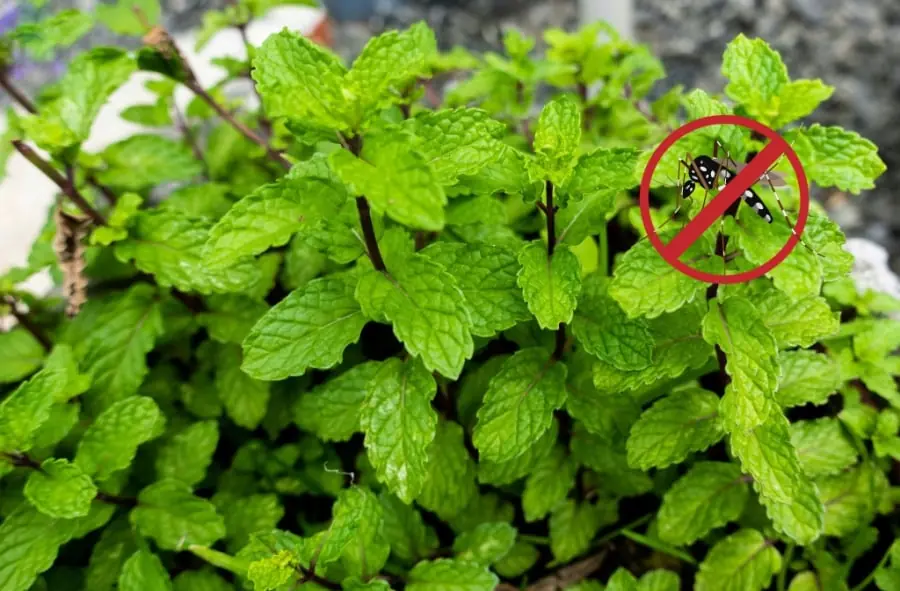
Hang a few of these leaves at your door and say goodbye to flies and mosquitoes
Place these leaves by your doorway to naturally keep flies and mosquitoes away
Tips 29/03/2026 01:15
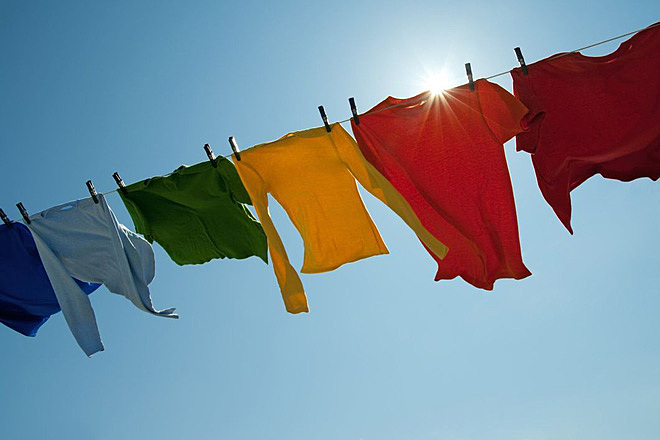
Drying thick clothes—like towels, hoodies, blankets, and winter wear - can be a real struggle, especially in humid or limited living spaces. In countries like Japan, where apartments are often compact and outdoor drying is not always practical, people have developed smart, efficient techniques to dry laundry quickly while keeping it fresh and odor-free.
Instead of relying solely on dryers, many Japanese households combine airflow, spacing, and strategic placement to optimize drying time. These methods are simple, cost-effective, and highly adaptable to different environments.
Before diving into solutions, it’s important to understand the problem.
Thick fabrics retain more water due to their density and layered structure. Items like towels and sweatshirts trap moisture deep within their fibers, making evaporation slower. In humid environments, the process becomes even more challenging because the surrounding air is already saturated with moisture.
Without proper drying, clothes can develop unpleasant odors caused by bacteria and mildew.
One of the key principles in Japanese laundry techniques is prioritizing air circulation over heat.
Moving air helps carry moisture away from fabric surfaces, speeding up evaporation more effectively than heat alone.
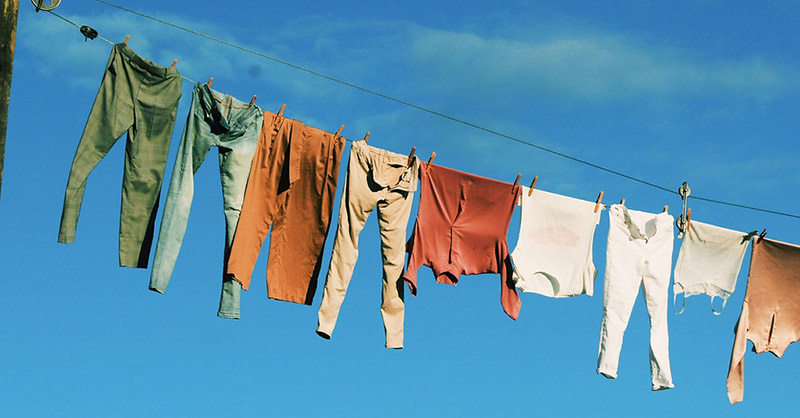
A popular Japanese technique is the arch drying method, where clothes are arranged in a curved or staggered pattern.
This method prevents overlapping and ensures that every piece dries at a similar rate.
3. Increase Spacing Between Items
Overcrowding is one of the biggest mistakes when drying clothes.
Proper spacing allows air to circulate freely, reducing drying time and preventing damp spots.
Thick garments often have areas that trap moisture, such as seams, pockets, and inner linings.
This exposes the inner layers—where moisture tends to accumulate—to air, helping them dry faster and more evenly.
In humid climates, reducing moisture in the air is crucial.
Lower humidity levels allow water to evaporate more quickly from fabrics, significantly improving drying efficiency.
Gravity plays an important role in drying.
This helps prevent moisture from pooling in certain areas, which can slow down drying and cause odors.
Many homes in Japan are equipped with bathroom ventilation systems designed specifically for drying clothes.
Even without a built-in system, you can replicate this by using a small, well-ventilated room with a fan or exhaust system.
One of the biggest concerns when drying clothes indoors is the risk of musty smells.
Bacteria thrive in damp environments, so faster drying directly reduces odor buildup.

Drying thick clothes doesn’t have to be time-consuming or frustrating. By applying simple yet effective techniques inspired by everyday practices in Japan, you can significantly reduce drying time while keeping your laundry fresh and clean.
The key lies in understanding airflow, spacing, and moisture control. With a few adjustments to your routine - like better arrangement, improved ventilation, and smart use of space you can achieve faster, more efficient results without relying heavily on expensive equipment.
Sometimes, the smartest solutions aren’t about working harder they’re about working smarter.
Place these leaves by your doorway to naturally keep flies and mosquitoes away

Why do smart individuals prefer placing their phones screen-down when idle?
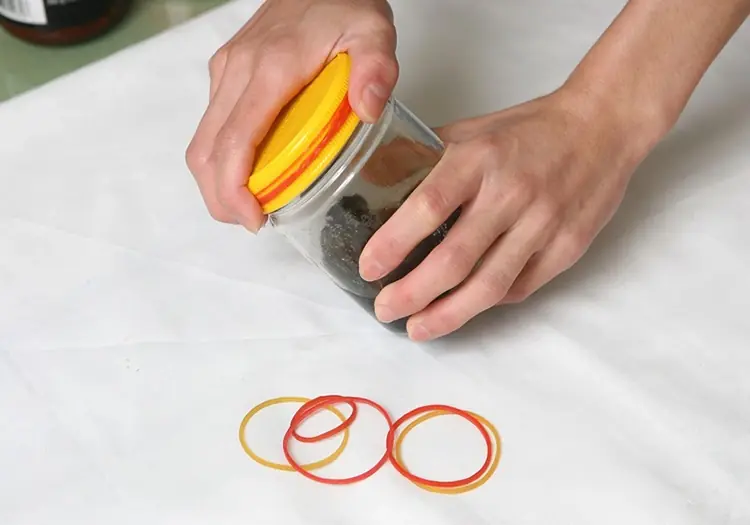
Practical Ways to Loosen and Open Jar Lids with Ease
What are ways to reduce saltiness in food without adding liquid?
5 Surprising Benefits of Putting Lemon with Salt in Your Room

These 5 Plants Can Help Keep Snakes Away
Pour salt into your toilet and see what happens
Why people are putting salt in toilets—does it really work?
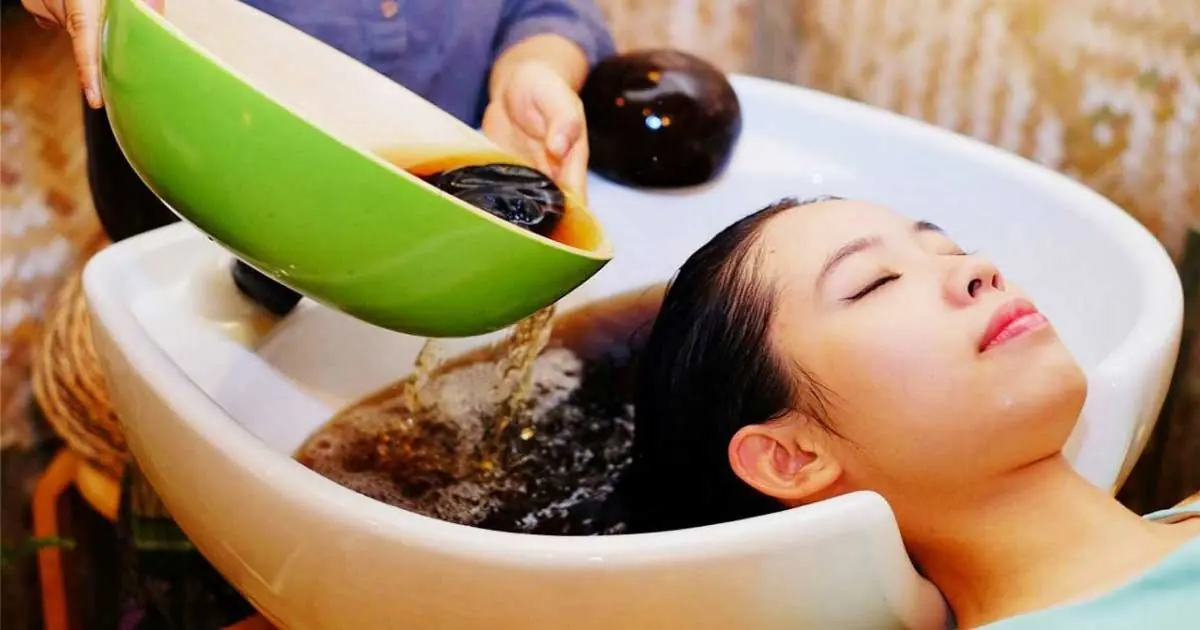
How to Grow Your Hair Faster and Make It Stronger Naturally
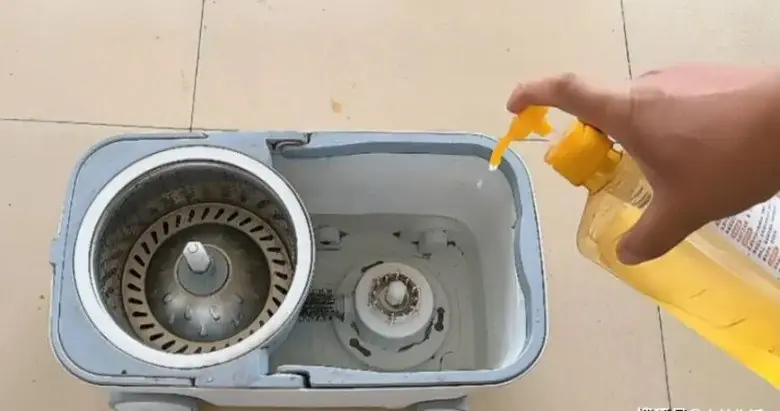
Add this to your floor cleaning routine to keep your home spotless and dust-free for a week
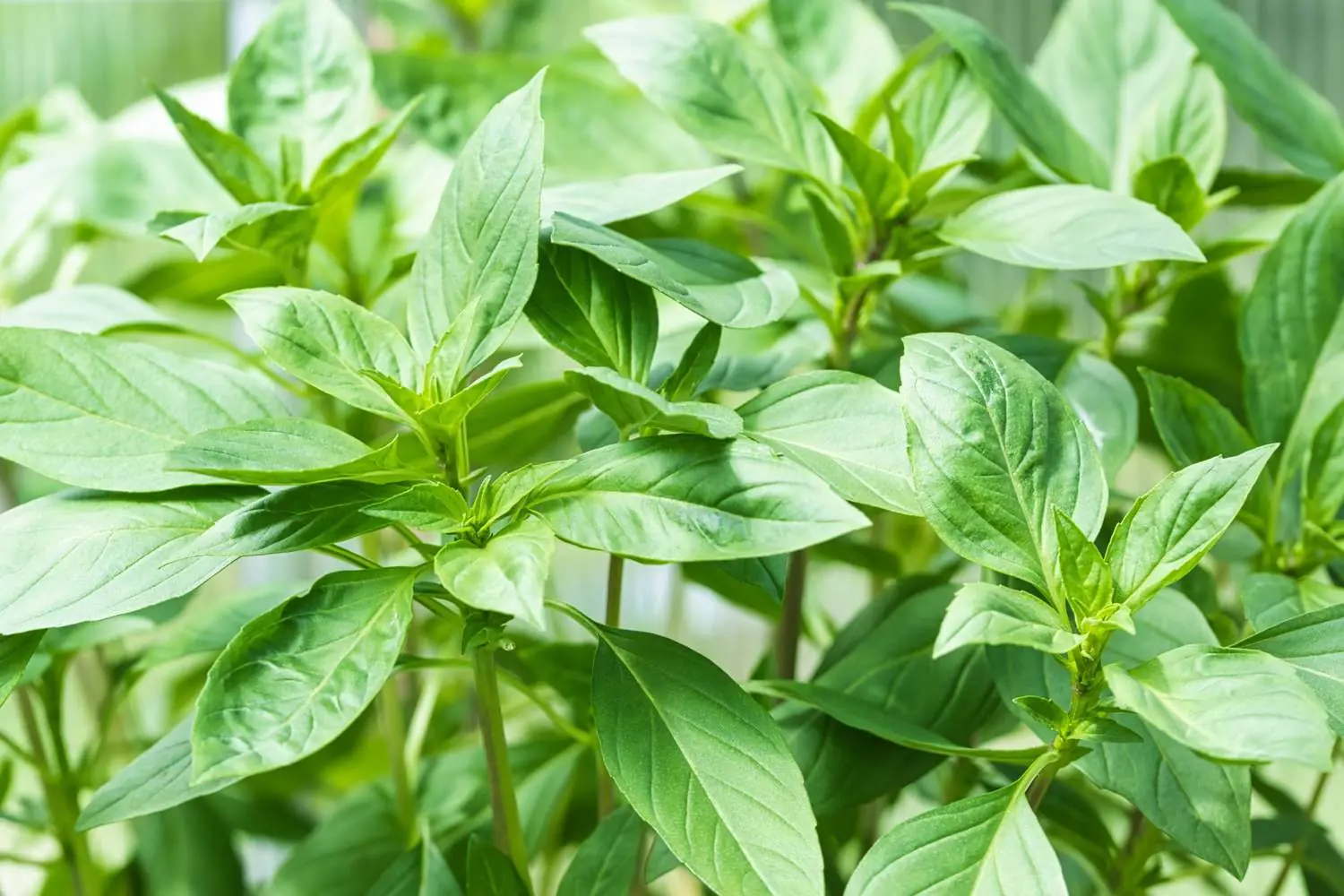
The Benefits of Growing Basil Indoors, Even in Small Spaces

A recipe to remove all the cancer cells from your body and prevent vision loss.
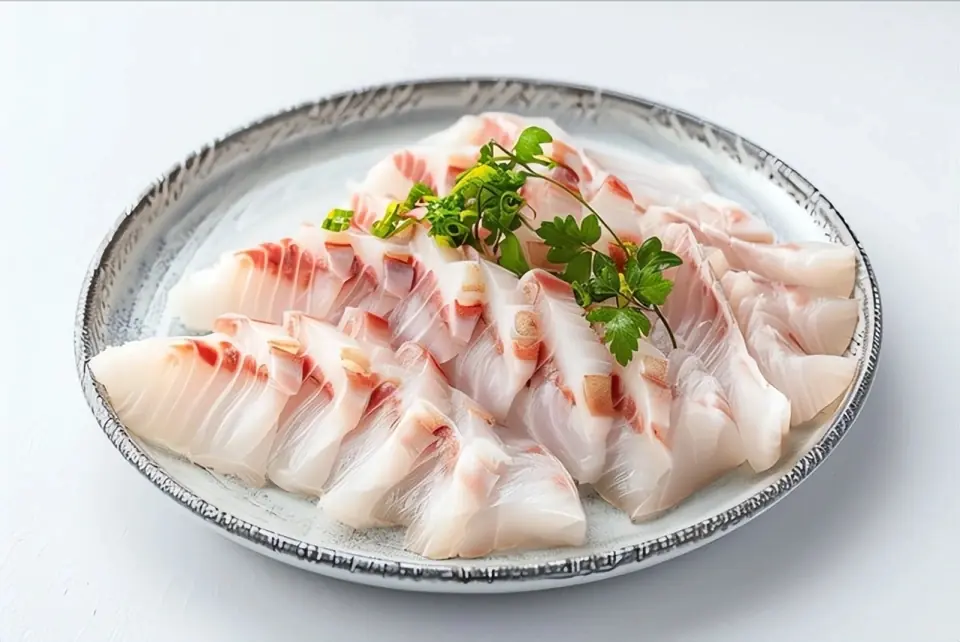
Not all fish are healthy—some may contain hidden toxins

Easy tips for fixing clogged pipes at home

Guide to planting chili peppers in pots to produce more fruit

What happens to your body when you start each day with ginger and red date tea?
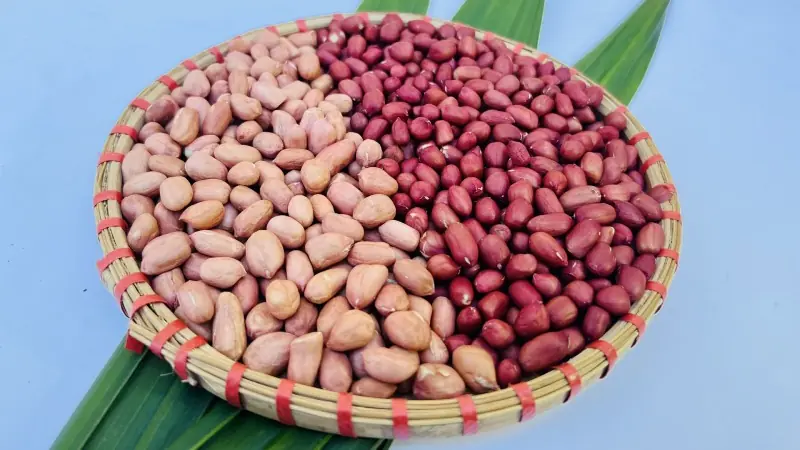
Red vs. White Peanuts: The Key Differences You Need to Know
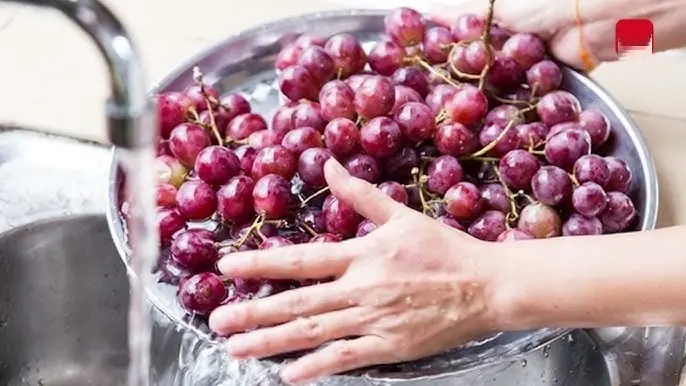
This simple trick removes even hidden dirt and insect eggs
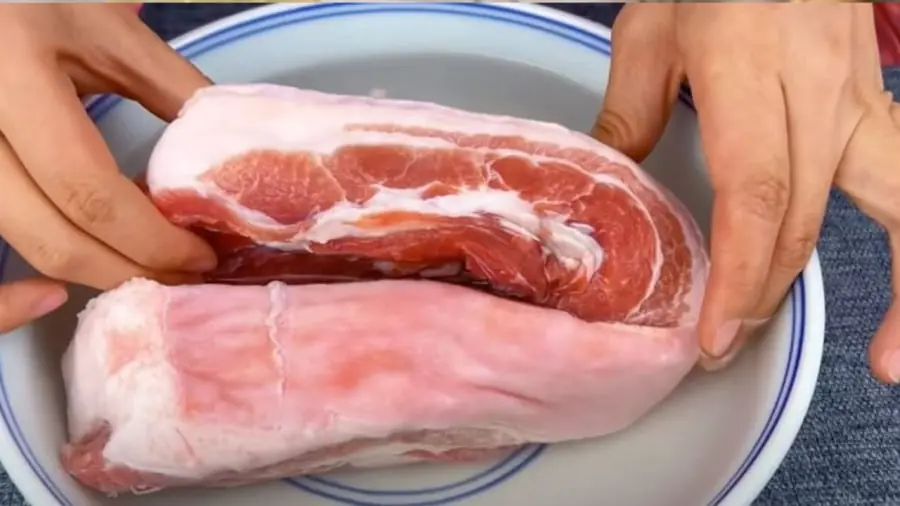
How to Defrost Meat Quickly While Keeping It Fresh
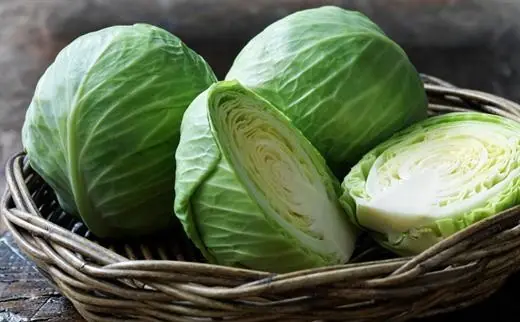
Cabbage isn’t for everyone—know who should avoid it.
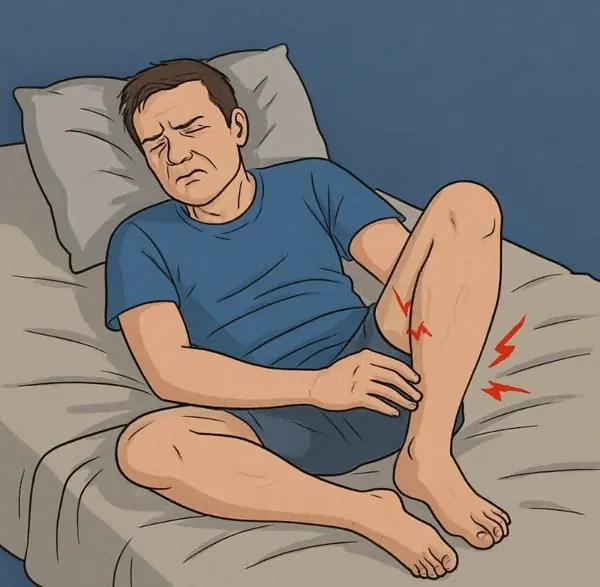
Night leg cramps? Don’t ignore these warning signs.

Unusual body odors may signal serious liver problems early.
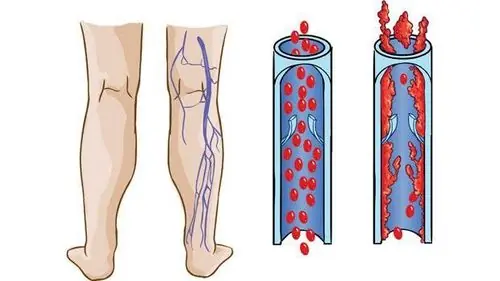
Boost blood flow naturally with these essential vitamins.

Early dementia signs many people ignore until it’s too late.

Early warning signs of cancer your body may be showing now.

Onions and uric acid: truth behind stroke risk and diet choices.
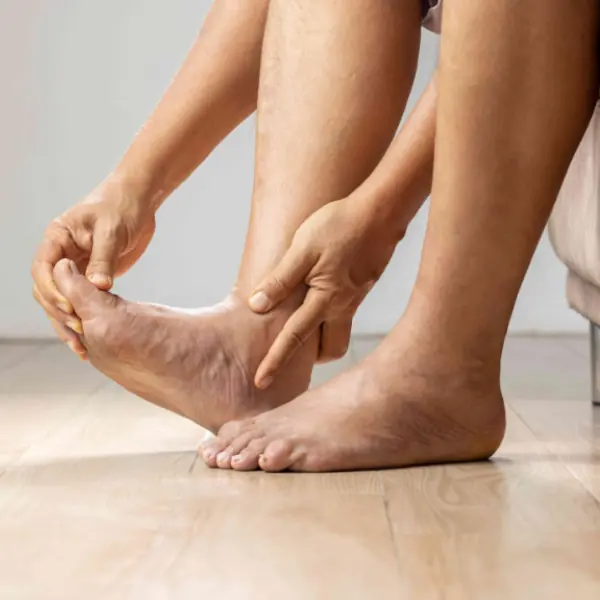
Unusual foot signs may be early warnings of kidney problems.

Take Care of Your Kidneys by Avoiding These 4 Drinks
Place these leaves by your doorway to naturally keep flies and mosquitoes away

Can’t Stop Feeling Mucus in Your Throat? Here’s Why

4 Moments Each Day When Eating Sweet Potatoes Can Transform Your Health

Could Cancer Cells Be in Your Body? Watch Out for These 5 Signs in the Morning

This Common Sensation While Lying Down Might Signal a Hidden Health Issue
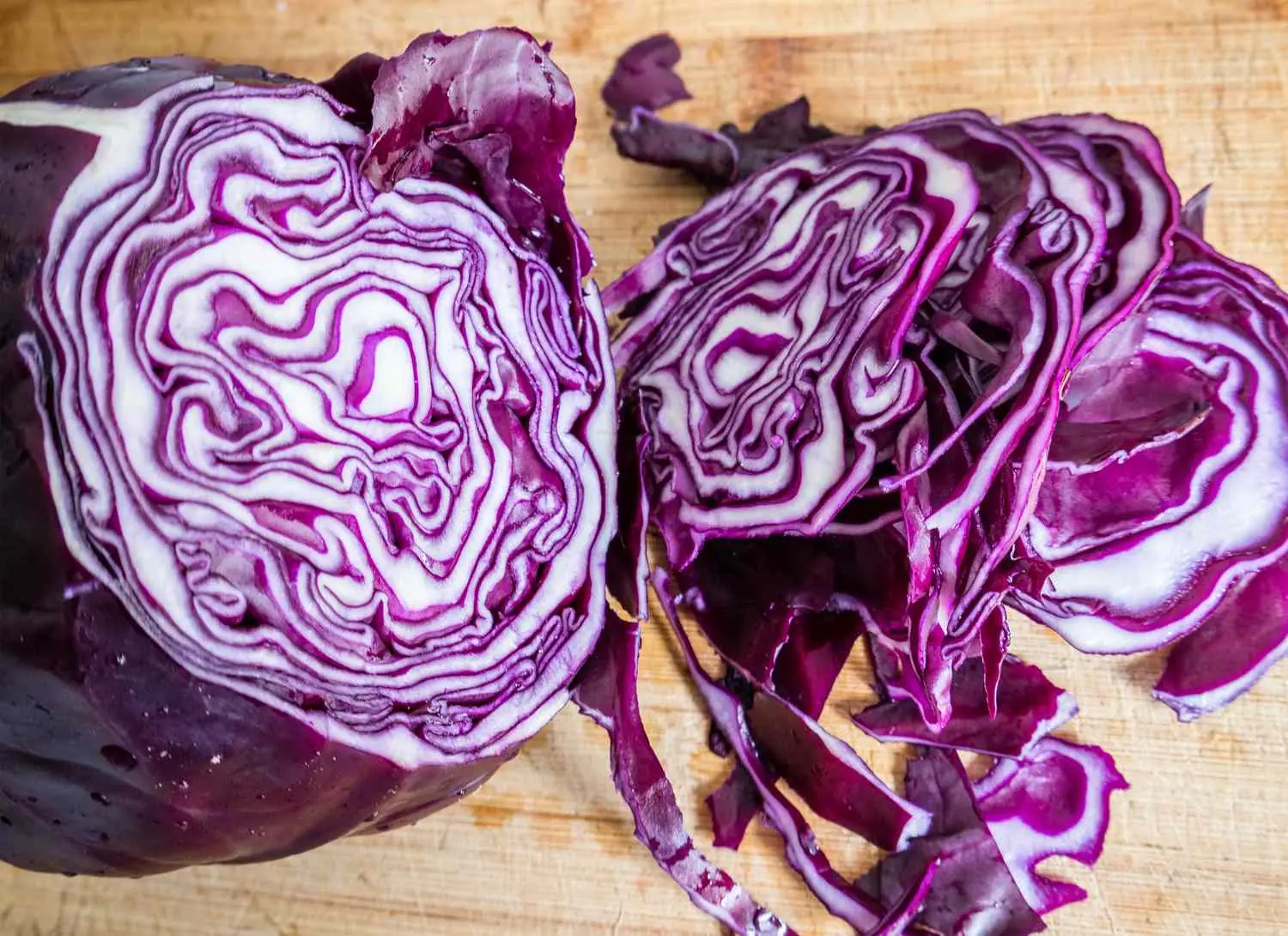
You Won’t Believe What Eating Red Cabbage Does to Your Body…
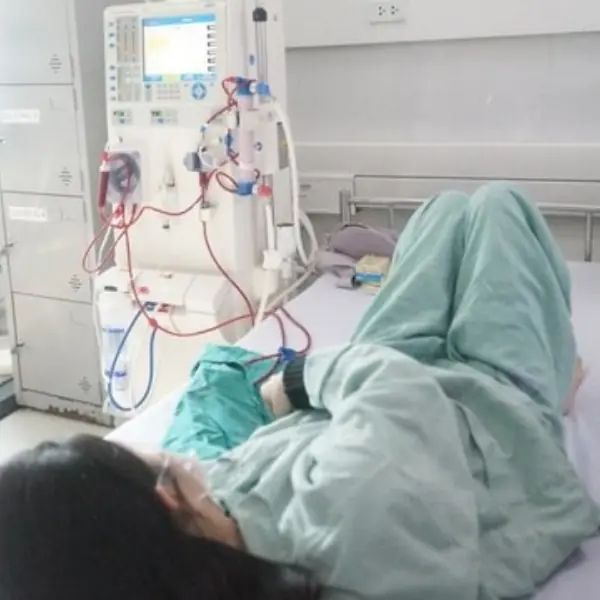
A common vegetable may pose risks if consumed improperly.
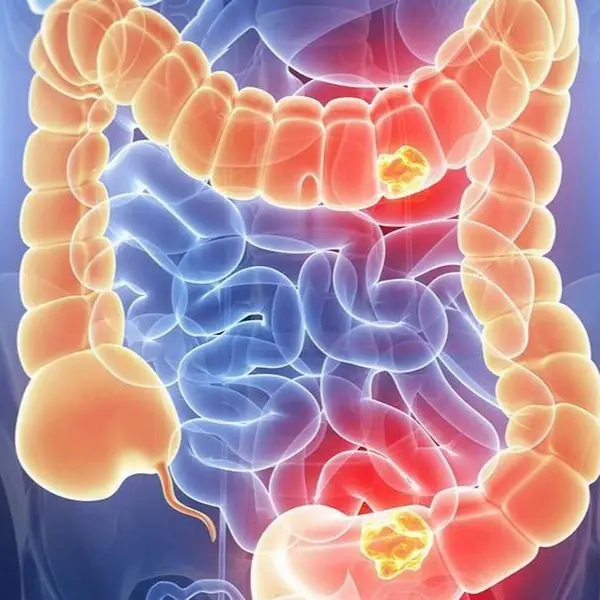
Ignoring early symptoms can delay colon cancer diagnosis.
Try eating pineapple every day — here’s what you might notice

Know these key facts before adding sweet potatoes to your diet.

A common habit may increase the risk of nasal fungal infection.