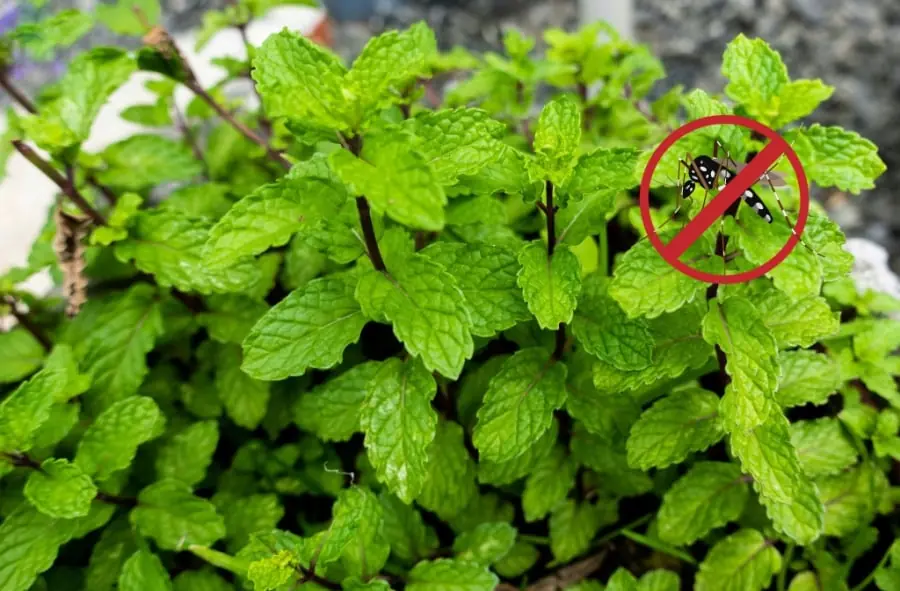
Hang a few of these leaves at your door and say goodbye to flies and mosquitoes
Place these leaves by your doorway to naturally keep flies and mosquitoes away
Tips 29/03/2026 01:15
Growing chili peppers in containers is one of the most rewarding ways to cultivate fresh, flavorful produce—even if you have limited space. Whether you live in an apartment or simply prefer a controlled gardening setup, container gardening allows you to manage soil quality, sunlight, and watering more effectively. With the right techniques, you can enjoy a thriving chili plant that produces an impressive number of fruits.
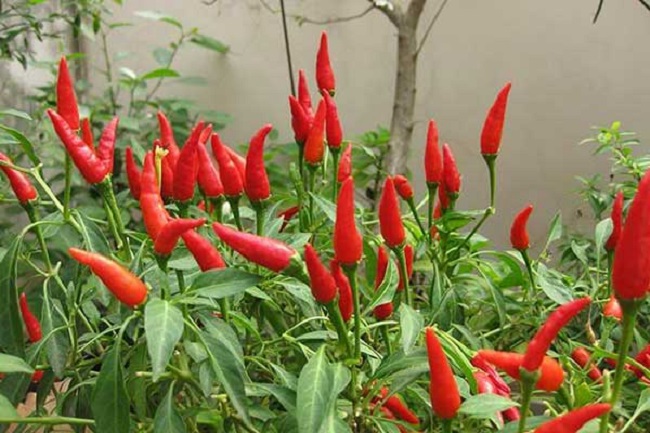
Container gardening offers flexibility and control that traditional gardening may not provide. Chili peppers adapt well to pots, making them ideal for balconies, patios, or small gardens.
Key advantages include:
With proper care, container-grown chili plants can be just as productive—if not more—than those grown in the ground.
The foundation of successful chili cultivation starts with selecting the appropriate container.
A well-sized container provides enough space for roots to expand, which directly impacts fruit production.
Chili peppers require well-draining, nutrient-rich soil. Avoid using regular garden soil, as it can compact easily and limit root growth.
A good soil mix should:
You can mix potting soil with compost and a small amount of perlite or sand to improve aeration.
Chili peppers thrive in warm, sunny conditions. They need at least 6–8 hours of direct sunlight daily to grow well and produce abundant fruit.
Tips for maximizing sunlight:
Insufficient light can lead to weak plants and reduced fruit production.

Proper watering is crucial for chili plants. Both overwatering and underwatering can harm the plant and reduce yields.
Best practices:
During hot weather, you may need to water more frequently, but always check soil moisture first.
Chili peppers are heavy feeders, meaning they require regular nutrients to produce fruit.
Proper feeding encourages strong flowering and fruit development.
In container environments, natural pollinators may be limited. Helping with pollination can increase fruit yield.
You can:
This simple step can significantly improve fruit set.
Pruning helps direct the plant’s energy toward fruit production rather than excessive leaf growth.
Healthy, well-maintained plants are more productive and easier to manage.
Even in containers, chili plants can be affected by pests such as aphids or spider mites.
To protect your plants:
Early detection prevents minor issues from becoming serious problems.
Harvesting regularly encourages the plant to produce more fruit.
The more you harvest, the more your plant will produce.
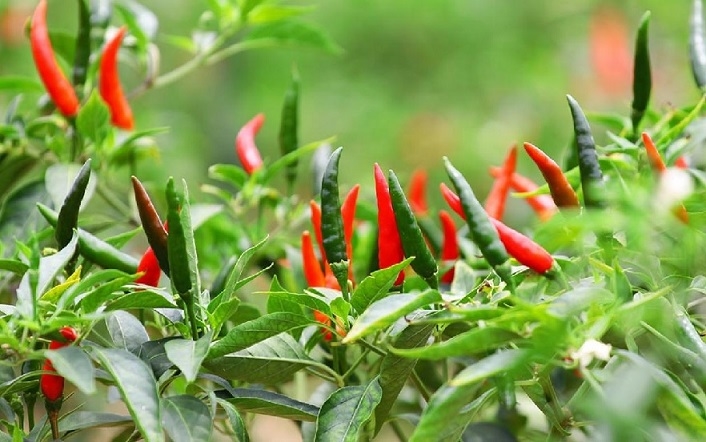
Growing chili peppers in containers is a practical and rewarding way to enjoy fresh produce at home. By choosing the right container, providing proper sunlight, maintaining consistent watering, and feeding your plants well, you can achieve abundant harvests even in small spaces.
With a little care and attention, your chili plants will thrive - offering not only a steady supply of spicy fruits but also the satisfaction of growing your own food.
Place these leaves by your doorway to naturally keep flies and mosquitoes away

Why do smart individuals prefer placing their phones screen-down when idle?
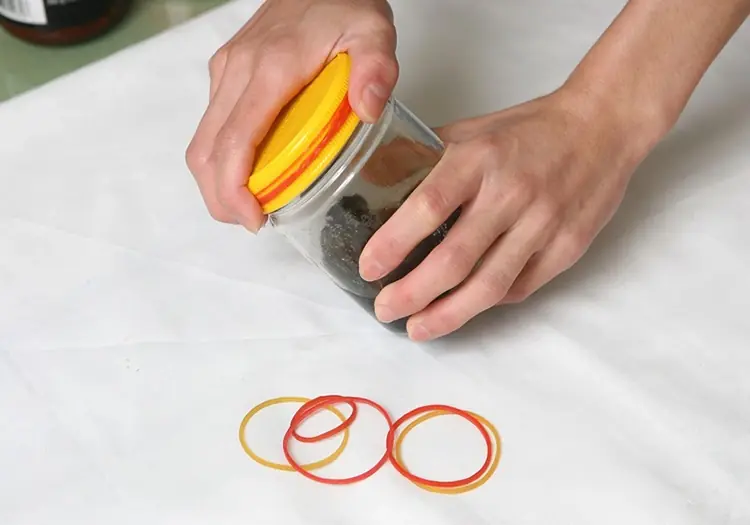
Practical Ways to Loosen and Open Jar Lids with Ease
What are ways to reduce saltiness in food without adding liquid?

Japan’s Proven Approach to Drying Bulky Clothes Quickly and Effectively
5 Surprising Benefits of Putting Lemon with Salt in Your Room
These 5 Plants Can Help Keep Snakes Away
Pour salt into your toilet and see what happens
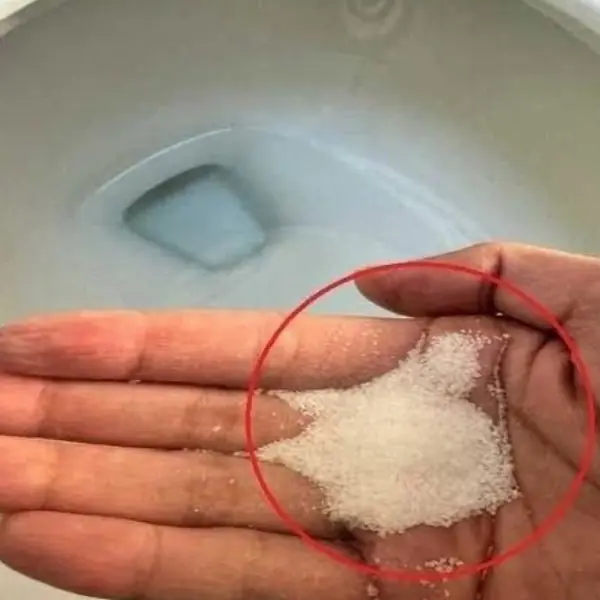
Why people are putting salt in toilets—does it really work?
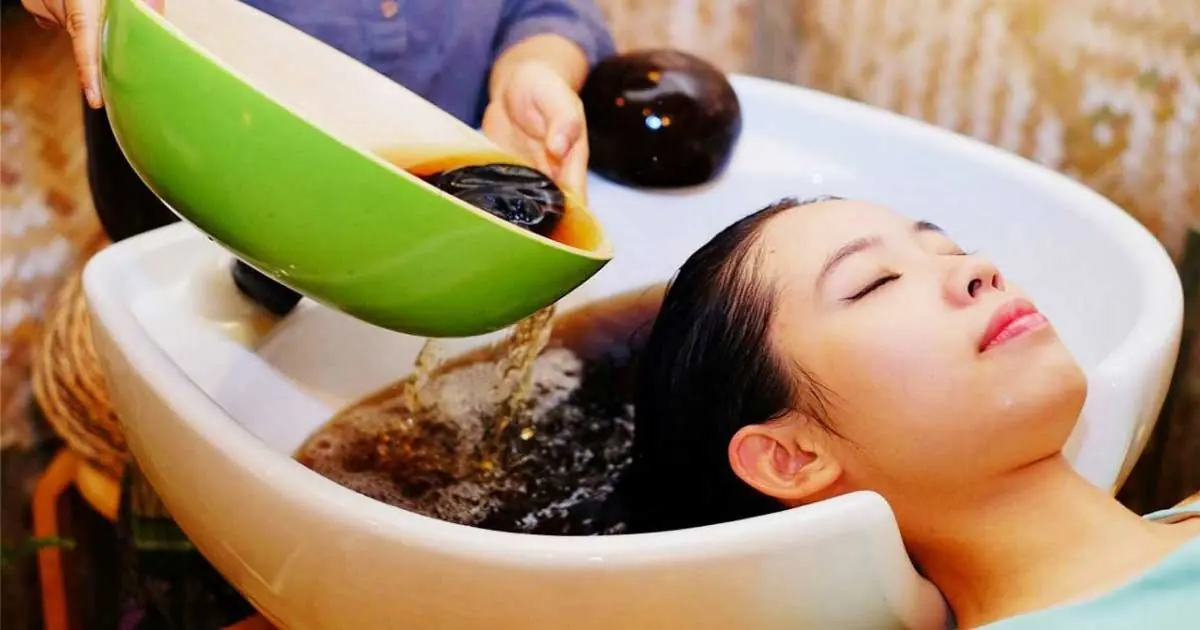
How to Grow Your Hair Faster and Make It Stronger Naturally
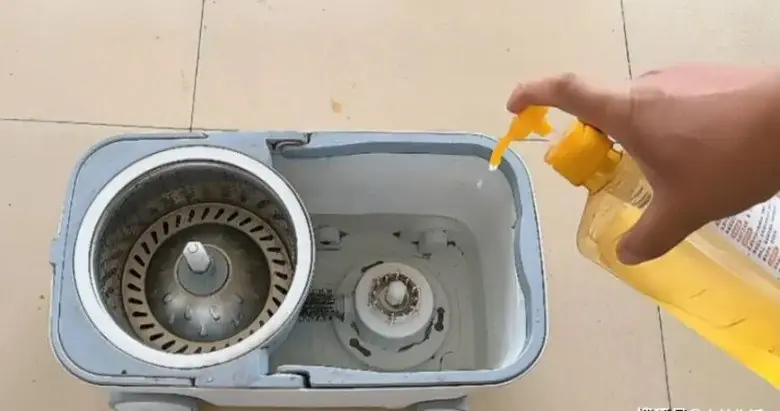
Add this to your floor cleaning routine to keep your home spotless and dust-free for a week
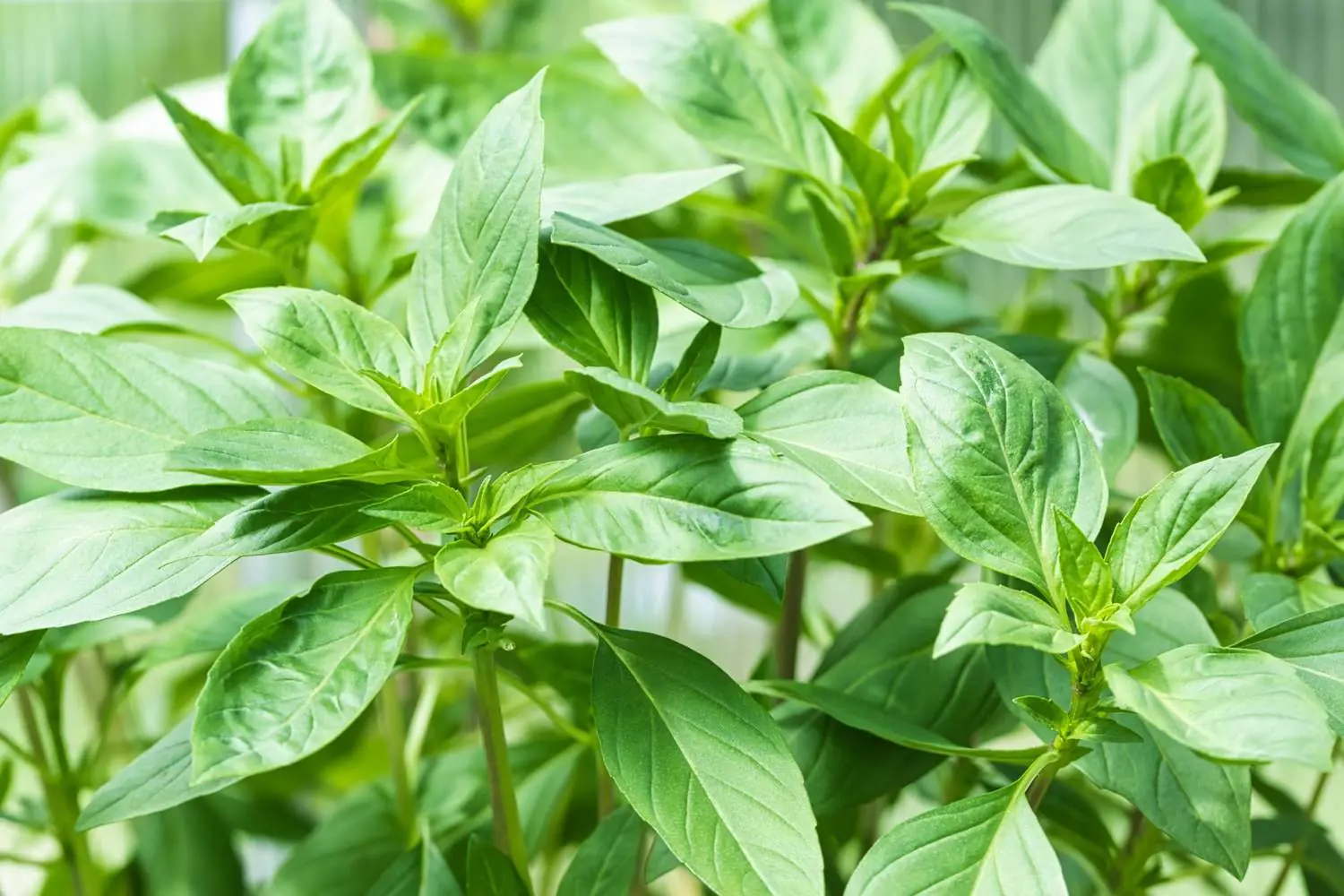
The Benefits of Growing Basil Indoors, Even in Small Spaces
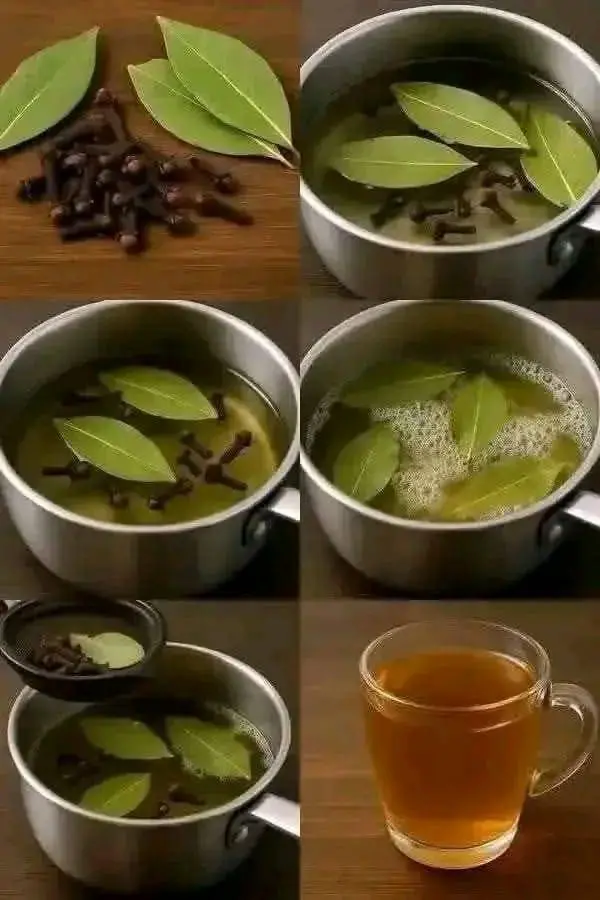
A recipe to remove all the cancer cells from your body and prevent vision loss.
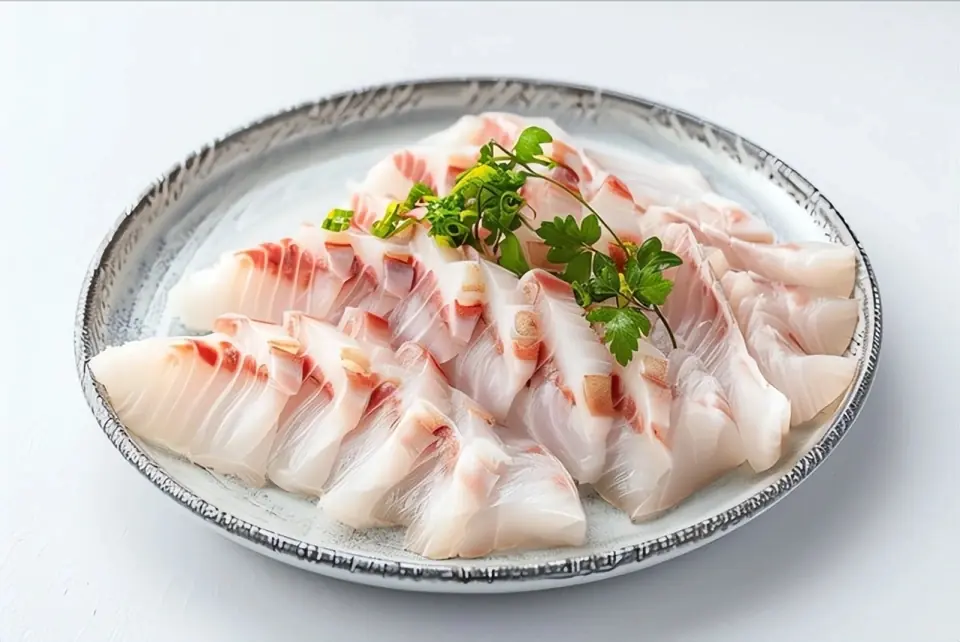
Not all fish are healthy—some may contain hidden toxins
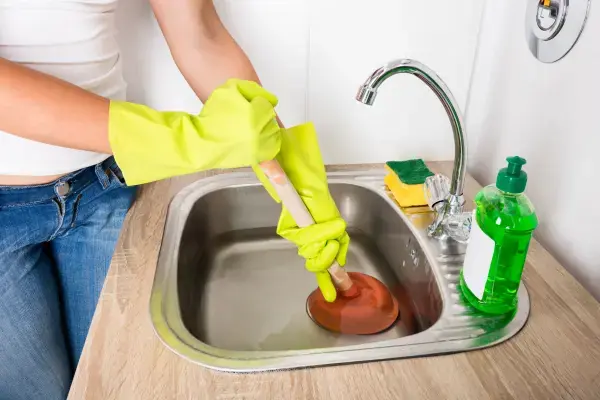
Easy tips for fixing clogged pipes at home
What happens to your body when you start each day with ginger and red date tea?
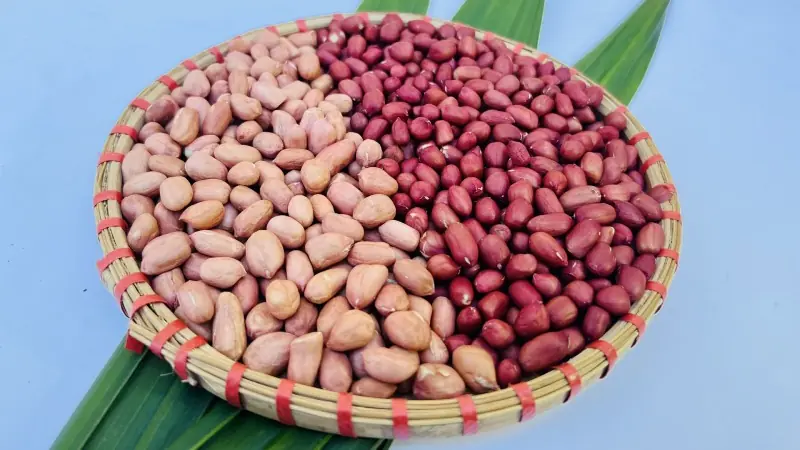
Red vs. White Peanuts: The Key Differences You Need to Know
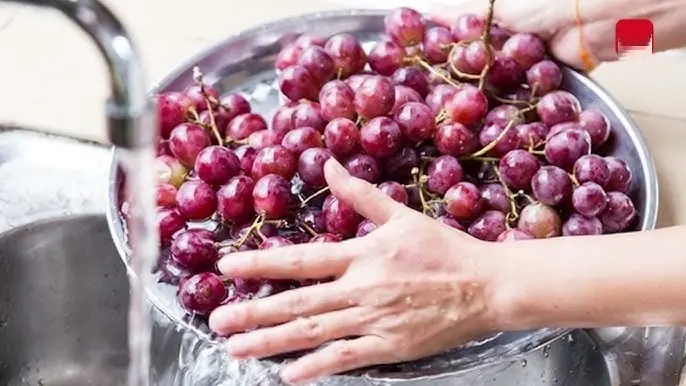
This simple trick removes even hidden dirt and insect eggs
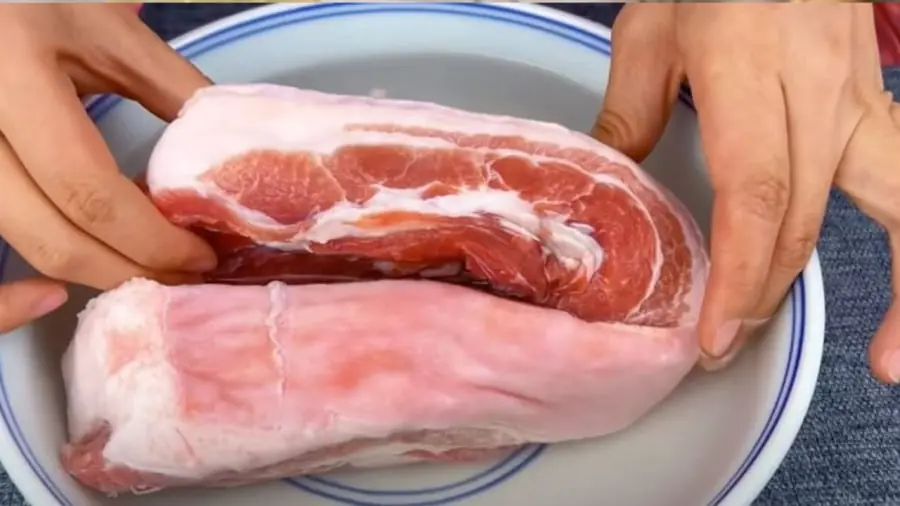
How to Defrost Meat Quickly While Keeping It Fresh
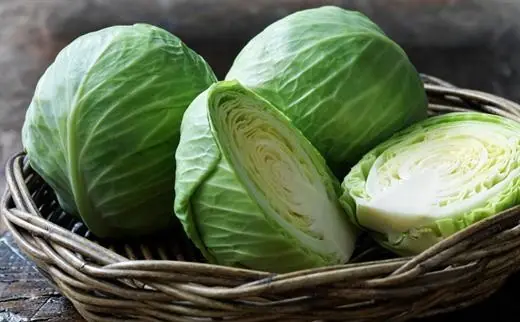
Cabbage isn’t for everyone—know who should avoid it.

Night leg cramps? Don’t ignore these warning signs.

Unusual body odors may signal serious liver problems early.
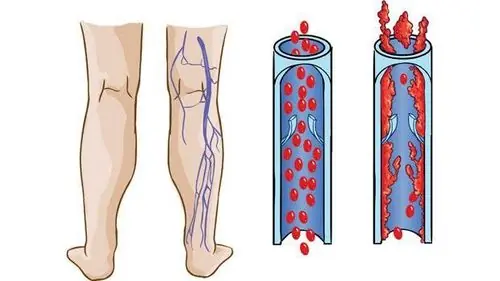
Boost blood flow naturally with these essential vitamins.

Early dementia signs many people ignore until it’s too late.

Early warning signs of cancer your body may be showing now.

Onions and uric acid: truth behind stroke risk and diet choices.

Unusual foot signs may be early warnings of kidney problems.

Take Care of Your Kidneys by Avoiding These 4 Drinks
Place these leaves by your doorway to naturally keep flies and mosquitoes away

Can’t Stop Feeling Mucus in Your Throat? Here’s Why
4 Moments Each Day When Eating Sweet Potatoes Can Transform Your Health
Could Cancer Cells Be in Your Body? Watch Out for These 5 Signs in the Morning

This Common Sensation While Lying Down Might Signal a Hidden Health Issue
You Won’t Believe What Eating Red Cabbage Does to Your Body…

A common vegetable may pose risks if consumed improperly.
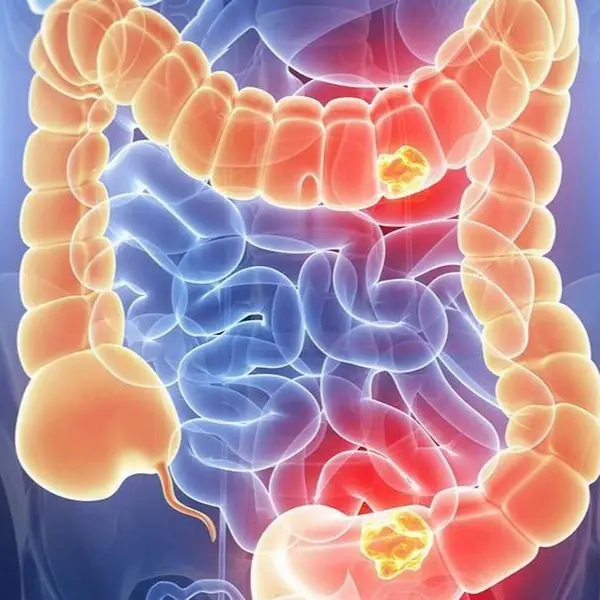
Ignoring early symptoms can delay colon cancer diagnosis.
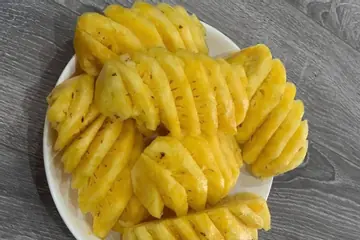
Try eating pineapple every day — here’s what you might notice
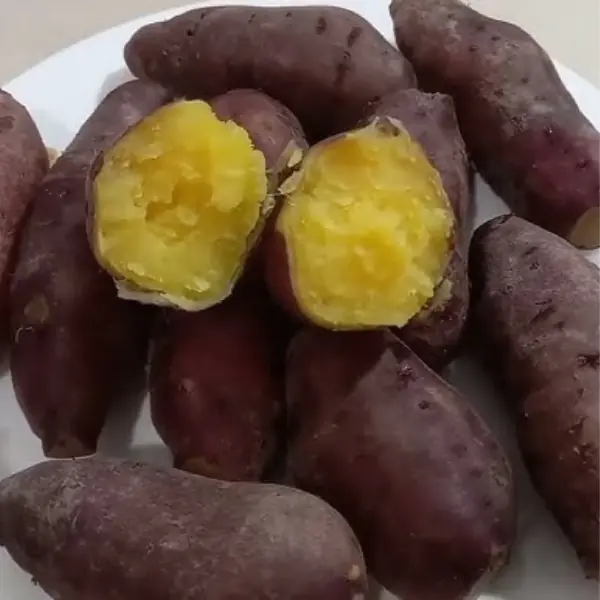
Know these key facts before adding sweet potatoes to your diet.

A common habit may increase the risk of nasal fungal infection.