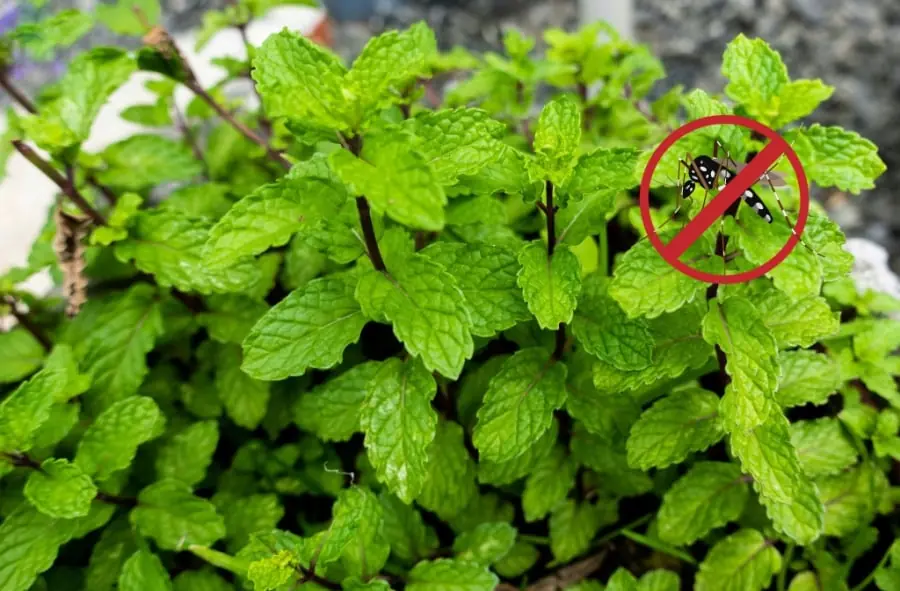
Hang a few of these leaves at your door and say goodbye to flies and mosquitoes
Place these leaves by your doorway to naturally keep flies and mosquitoes away
Tips 29/03/2026 01:15
In recent years, many household “hacks” have gone viral, promising easy and affordable solutions to common problems. One such tip suggests pouring salt into your toilet to improve cleanliness and prevent plumbing issues. While it may sound unusual, this method has sparked curiosity among homeowners. But does it really work, and is it safe for your plumbing system? Let’s take a closer look at what experts say.
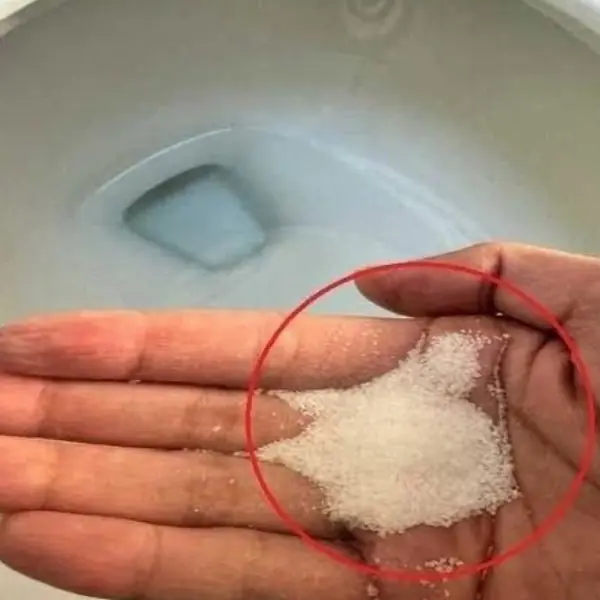
Salt has natural properties that make it useful for cleaning and maintenance. It is:
Because of these characteristics, some people believe salt can help clean pipes, eliminate buildup, and keep toilets fresh.
One of the most common claims is that salt can help remove residue and buildup inside pipes.
In theory:
However, experts point out that salt alone is not strong enough to remove serious clogs or hardened buildup. It may help with light maintenance but cannot replace proper cleaning methods.
Another reason people use salt is to combat unpleasant smells coming from the toilet.
Salt may help by:
While this effect is possible, it is usually temporary. Persistent odors often require deeper cleaning or addressing underlying plumbing issues.
Some believe that regularly adding salt can prevent clogs from forming.
In reality:
Plumbers emphasize that preventing clogs depends more on what you flush rather than adding substances to the toilet.
Contrary to viral claims, most plumbers do not consider salt a reliable solution for toilet maintenance.
They recommend:
While salt is generally harmless in small amounts, relying on it as a primary solution may give a false sense of security.
Although it is not a miracle solution, salt can still have limited practical uses:
When combined with hot water, salt may help loosen minor residue in the toilet bowl.
It can provide short-term freshness in between thorough cleanings.
For those avoiding harsh chemicals, salt offers a mild and natural option—though with limited effectiveness.
If your goal is to maintain a clean and efficient toilet, consider these more effective methods:
These approaches are more reliable and widely recommended by professionals.
Using salt occasionally is unlikely to damage your plumbing, but excessive use may not be beneficial.
Possible concerns include:
It is important not to rely solely on home remedies when facing serious plumbing problems.
Many viral cleaning hacks are based on partial truths. While salt does have some useful properties, it is often presented as a “secret solution” that professionals supposedly hide. In reality, plumbers rely on proven techniques and tools because they are far more effective.
Putting salt in your toilet is not harmful in small amounts and may offer minor benefits like temporary odor control or light cleaning. However, it is not a substitute for proper maintenance or professional care.
Instead of relying on viral tips, the best approach is to follow practical, proven methods for keeping your toilet clean and functional. Sometimes, simple habits—like regular cleaning and mindful usage—are far more effective than any household hack.
Place these leaves by your doorway to naturally keep flies and mosquitoes away

Why do smart individuals prefer placing their phones screen-down when idle?
Practical Ways to Loosen and Open Jar Lids with Ease
What are ways to reduce saltiness in food without adding liquid?

Japan’s Proven Approach to Drying Bulky Clothes Quickly and Effectively
5 Surprising Benefits of Putting Lemon with Salt in Your Room

These 5 Plants Can Help Keep Snakes Away
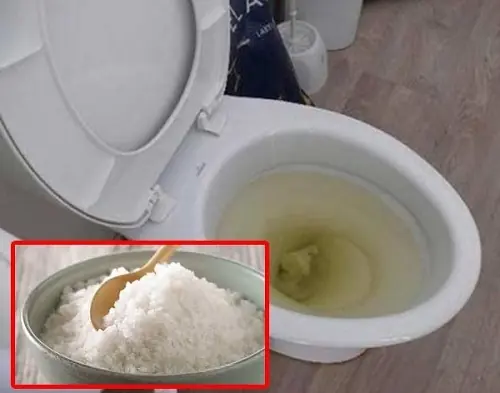
Pour salt into your toilet and see what happens
How to Grow Your Hair Faster and Make It Stronger Naturally

Add this to your floor cleaning routine to keep your home spotless and dust-free for a week
The Benefits of Growing Basil Indoors, Even in Small Spaces

A recipe to remove all the cancer cells from your body and prevent vision loss.

Not all fish are healthy—some may contain hidden toxins
Easy tips for fixing clogged pipes at home

Guide to planting chili peppers in pots to produce more fruit

What happens to your body when you start each day with ginger and red date tea?
Red vs. White Peanuts: The Key Differences You Need to Know
This simple trick removes even hidden dirt and insect eggs

How to Defrost Meat Quickly While Keeping It Fresh

Cabbage isn’t for everyone—know who should avoid it.

Night leg cramps? Don’t ignore these warning signs.

Unusual body odors may signal serious liver problems early.

Boost blood flow naturally with these essential vitamins.

Early dementia signs many people ignore until it’s too late.

Early warning signs of cancer your body may be showing now.

Onions and uric acid: truth behind stroke risk and diet choices.

Unusual foot signs may be early warnings of kidney problems.

Take Care of Your Kidneys by Avoiding These 4 Drinks
Place these leaves by your doorway to naturally keep flies and mosquitoes away

Can’t Stop Feeling Mucus in Your Throat? Here’s Why

4 Moments Each Day When Eating Sweet Potatoes Can Transform Your Health

Could Cancer Cells Be in Your Body? Watch Out for These 5 Signs in the Morning

This Common Sensation While Lying Down Might Signal a Hidden Health Issue
You Won’t Believe What Eating Red Cabbage Does to Your Body…

A common vegetable may pose risks if consumed improperly.

Ignoring early symptoms can delay colon cancer diagnosis.

Try eating pineapple every day — here’s what you might notice

Know these key facts before adding sweet potatoes to your diet.

A common habit may increase the risk of nasal fungal infection.