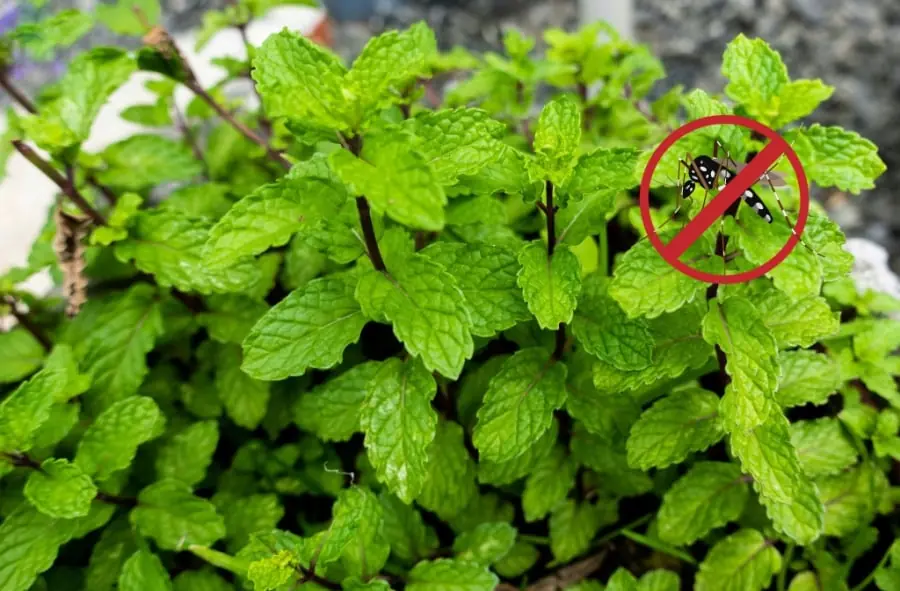
Hang a few of these leaves at your door and say goodbye to flies and mosquitoes
Place these leaves by your doorway to naturally keep flies and mosquitoes away
Tips 29/03/2026 01:15
Snakes are an important part of the ecosystem, helping control pests like rodents and insects. However, having them too close to your home can be unsettling and, in some cases, dangerous. While there are many chemical repellents available, more people are turning to natural, eco-friendly solutions - especially plants that are believed to discourage snakes from entering certain areas.
Although no plant can guarantee complete protection, some species are known for their strong scents, textures, or properties that make environments less appealing to snakes. Incorporating these plants into your garden can help create a natural barrier while also enhancing the beauty of your outdoor space.

Dracaena trifasciata, commonly known as the snake plant, is often recommended as a natural deterrent.
In addition to its potential repellent qualities, this plant is extremely low-maintenance and thrives in a variety of conditions.
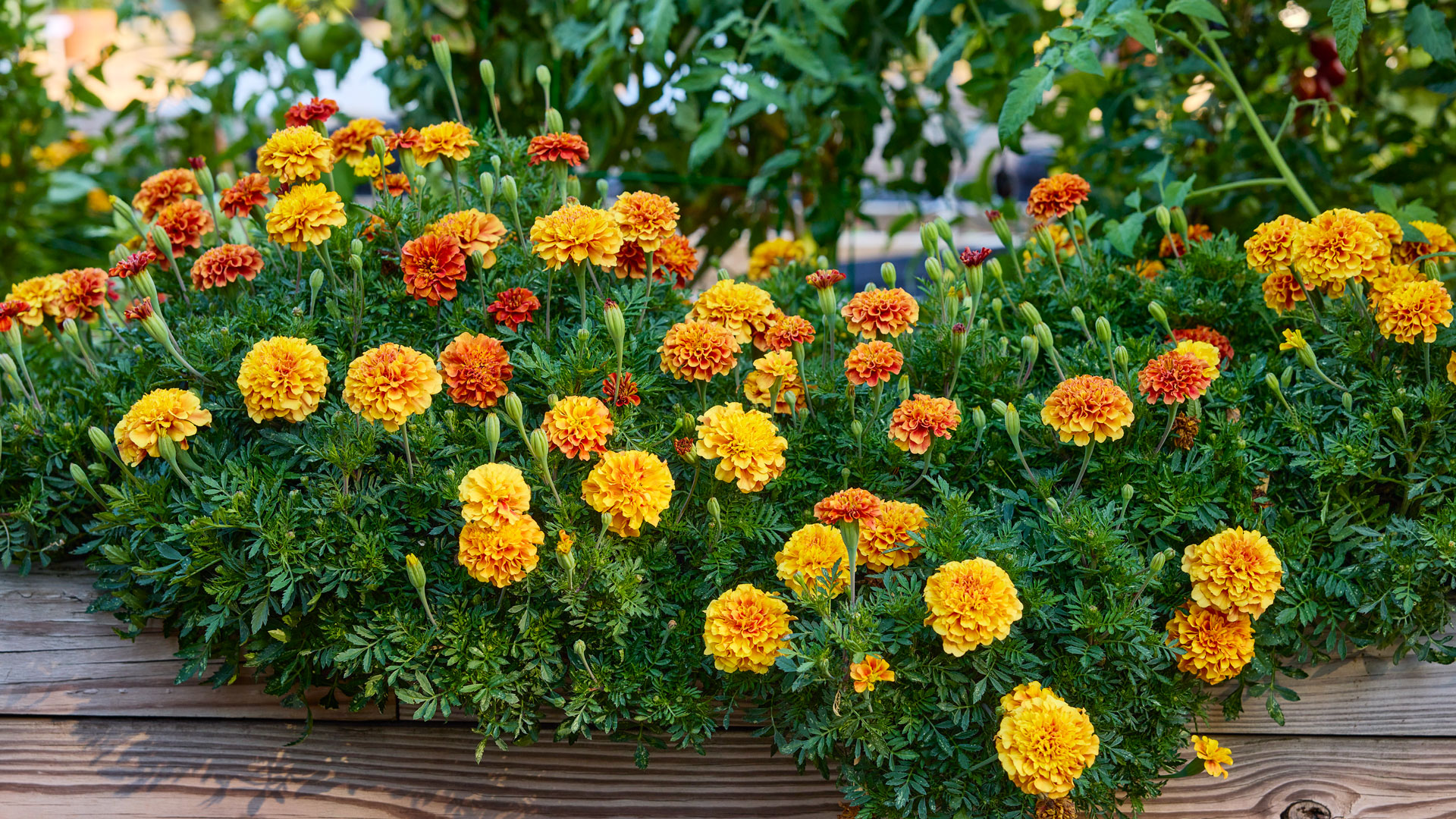
Tagetes is a popular garden flower known for its strong, pungent scent.
Marigolds are easy to grow and add vibrant color to your garden while serving a practical purpose.
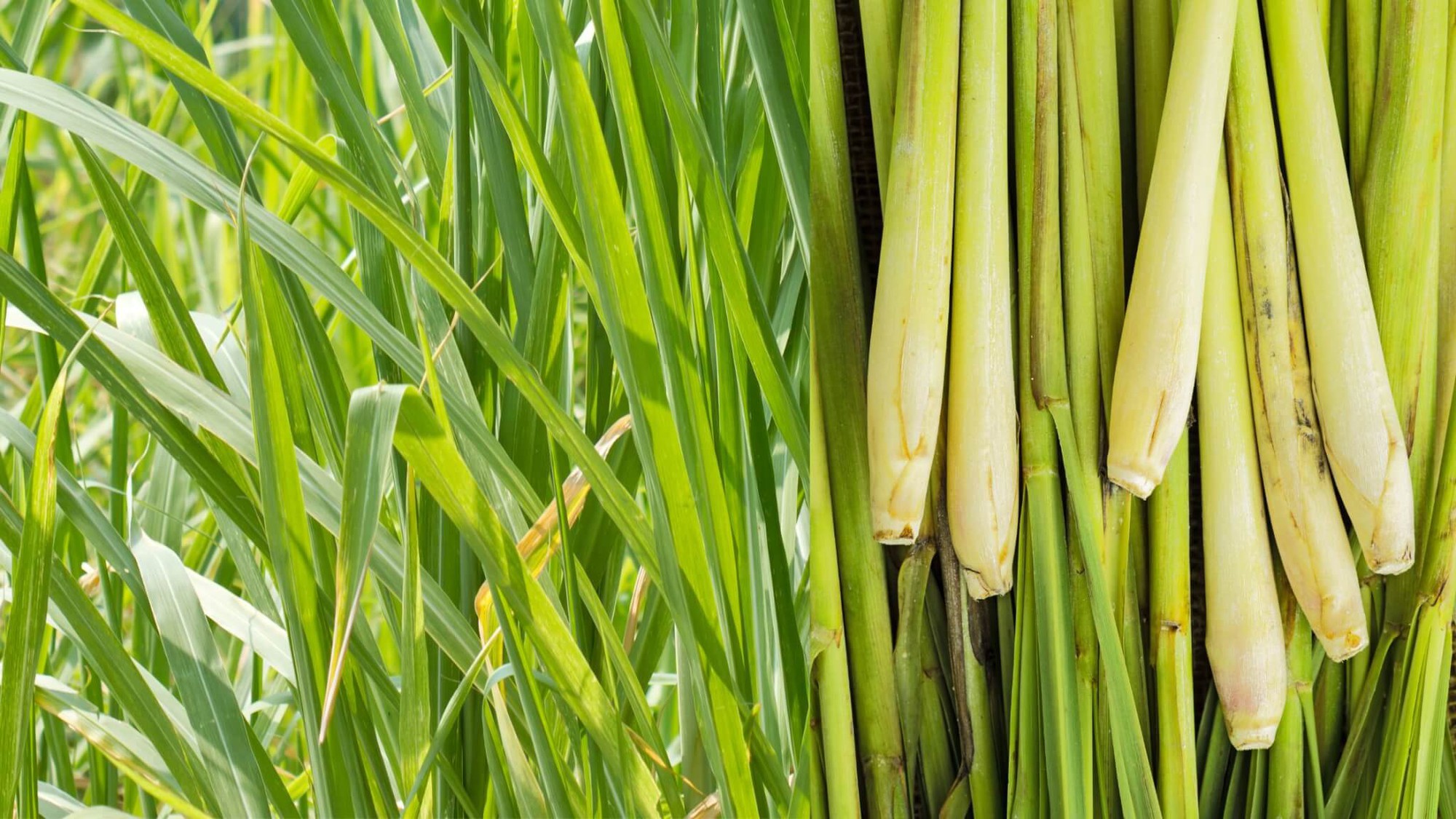
Cymbopogon is widely used in cooking and traditional remedies, but it also has pest-repelling properties.
Planting lemongrass around the perimeter of your home can help create a fragrant and functional barrier.
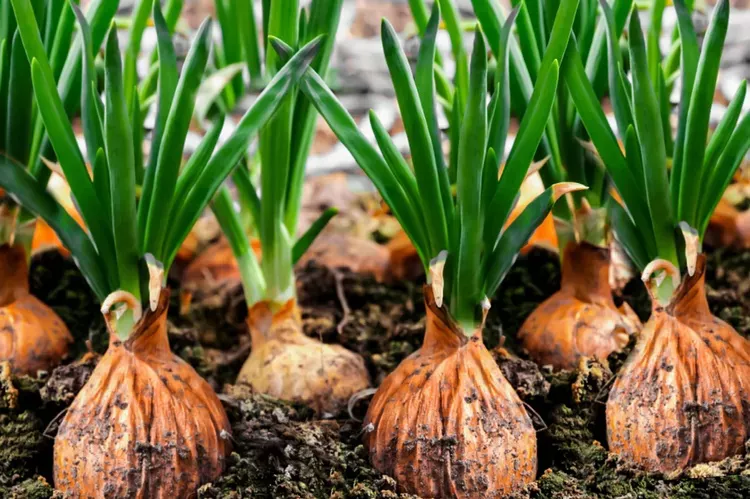
Allium sativum and Allium cepa are common kitchen staples that may also help deter snakes.
You can plant them in garden beds or crush cloves and place them in areas where snakes are a concern.
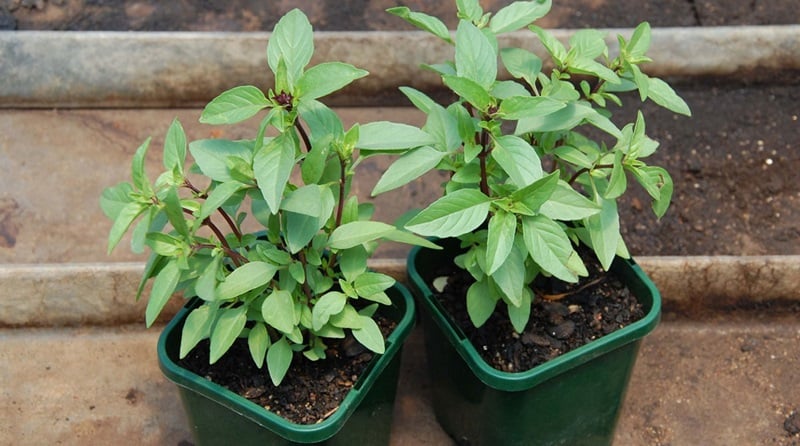
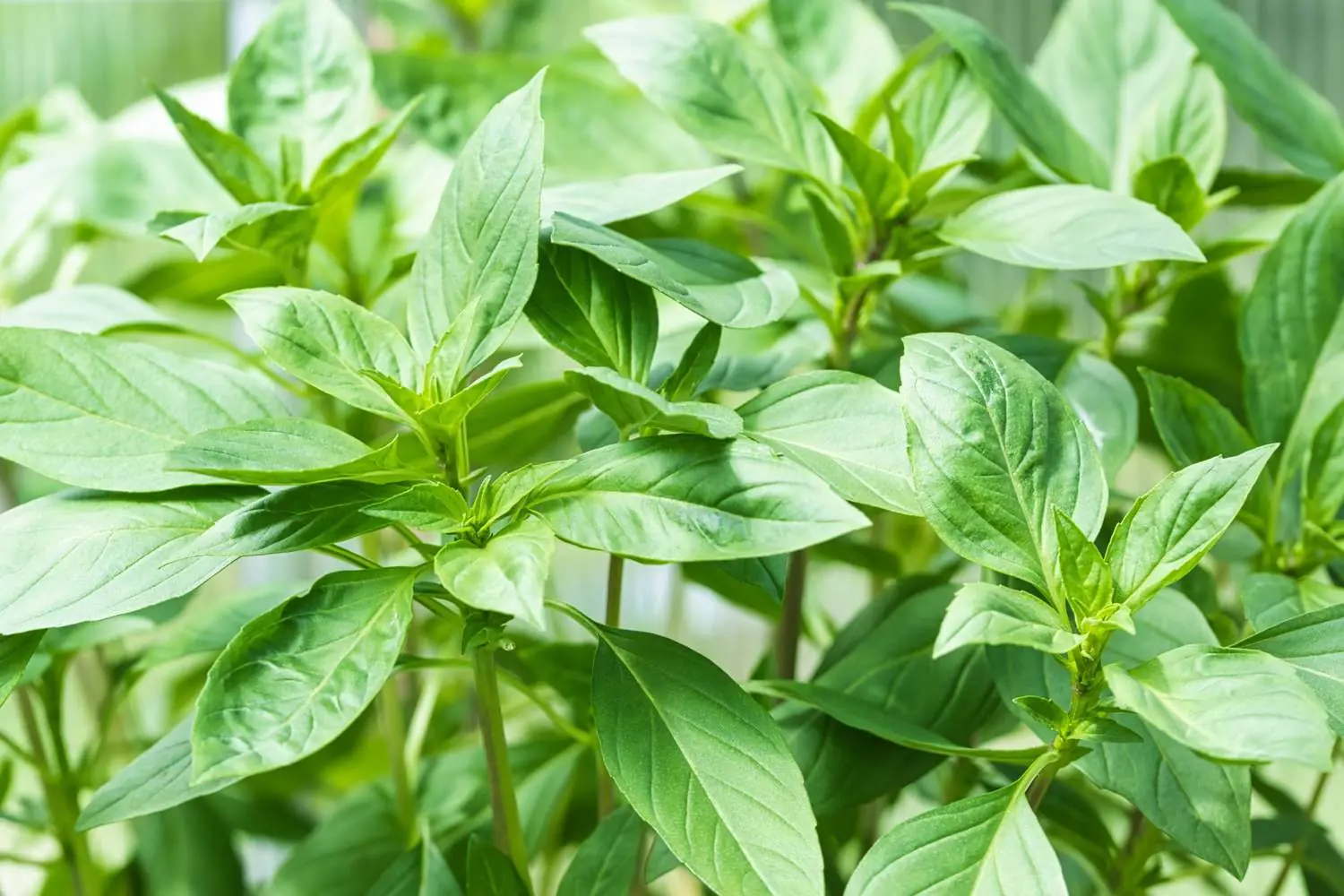
Ocimum basilicum is another aromatic herb that may help keep snakes at bay.
Basil is easy to grow in pots or garden beds and provides the added benefit of being useful in cooking.
While these plants can help, they work best when combined with proper yard maintenance:
Snakes are usually attracted to areas that provide food, shelter, and moisture. Reducing these factors is key to prevention.
It’s important to understand that plant-based solutions are not foolproof. Scientific evidence supporting the effectiveness of these plants as snake repellents is limited. Their impact is often indirect—by reducing prey or making the environment less comfortable rather than actively repelling snakes.
If you live in an area with venomous species or experience frequent sightings, it is best to contact local wildlife control professionals.
Using natural plants to deter snakes is a safe, eco-friendly approach that can complement other preventive measures. While no single plant can completely eliminate the risk, combining several of these options with good outdoor maintenance can significantly reduce the chances of snakes entering your space.
By creating a clean, well-maintained, and strategically planted environment, you not only make your home less attractive to snakes but also promote a healthier and more enjoyable outdoor living area.
Place these leaves by your doorway to naturally keep flies and mosquitoes away

Why do smart individuals prefer placing their phones screen-down when idle?
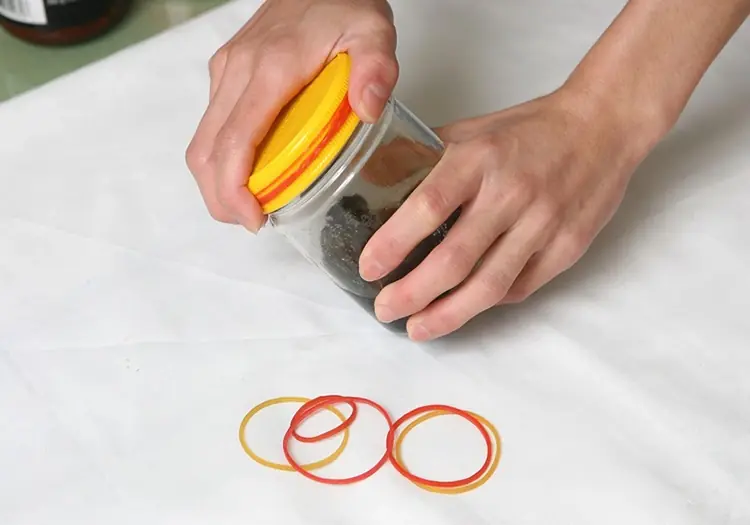
Practical Ways to Loosen and Open Jar Lids with Ease
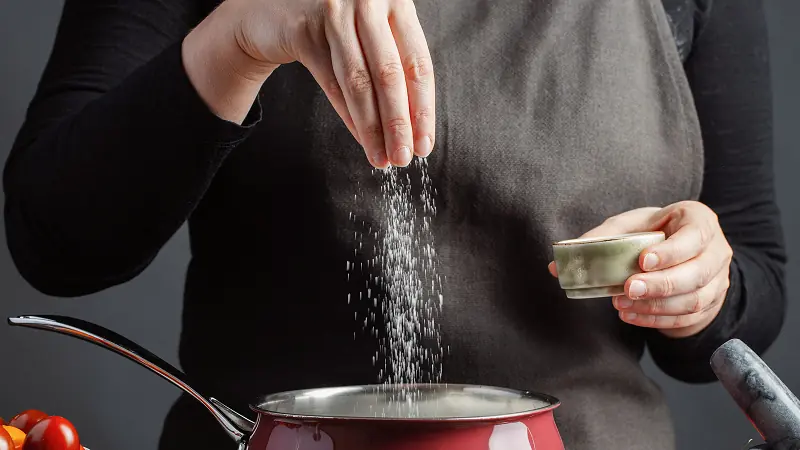
What are ways to reduce saltiness in food without adding liquid?

Japan’s Proven Approach to Drying Bulky Clothes Quickly and Effectively
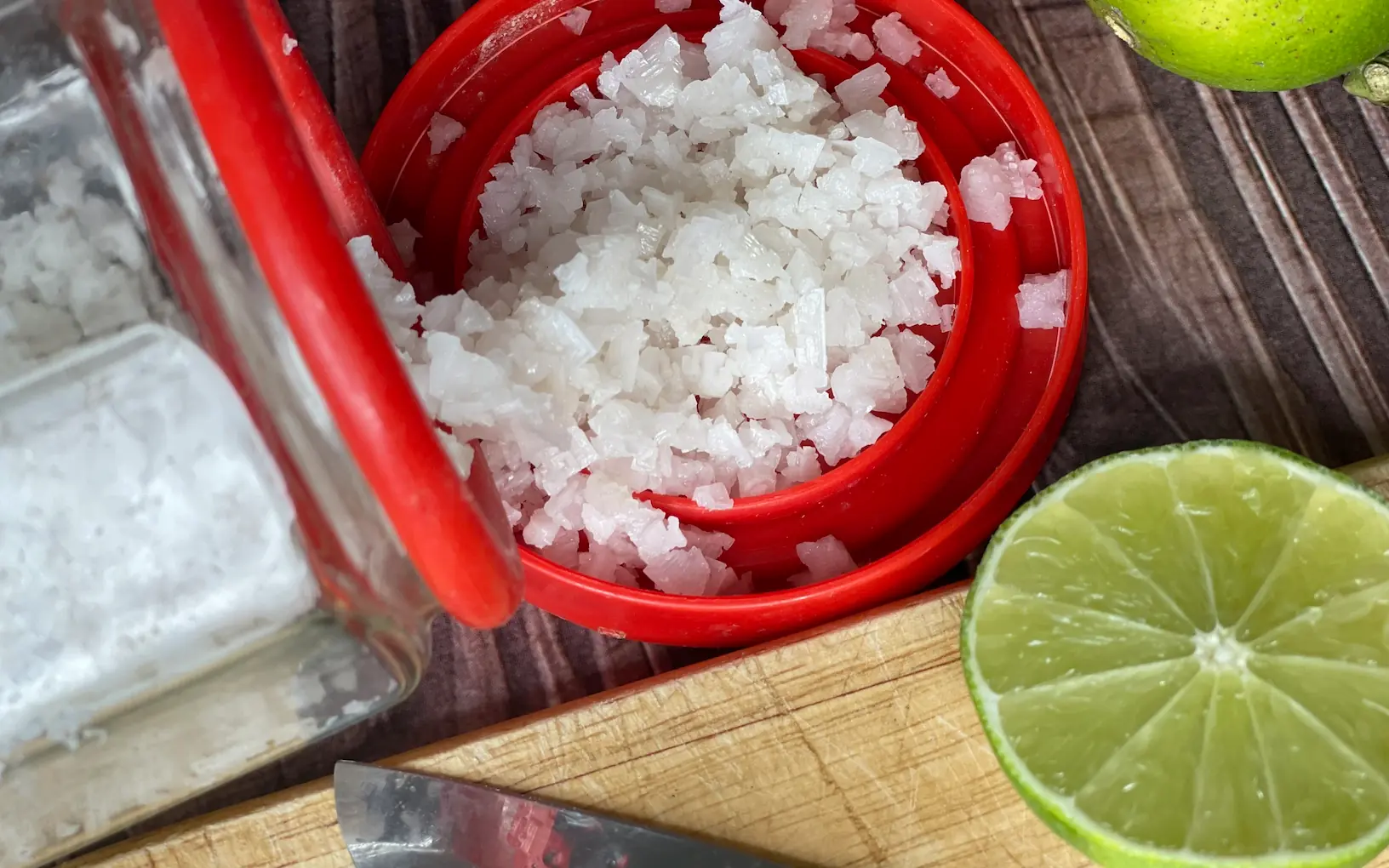
5 Surprising Benefits of Putting Lemon with Salt in Your Room
Pour salt into your toilet and see what happens
Why people are putting salt in toilets—does it really work?

How to Grow Your Hair Faster and Make It Stronger Naturally

Add this to your floor cleaning routine to keep your home spotless and dust-free for a week
The Benefits of Growing Basil Indoors, Even in Small Spaces

A recipe to remove all the cancer cells from your body and prevent vision loss.
Not all fish are healthy—some may contain hidden toxins

Easy tips for fixing clogged pipes at home
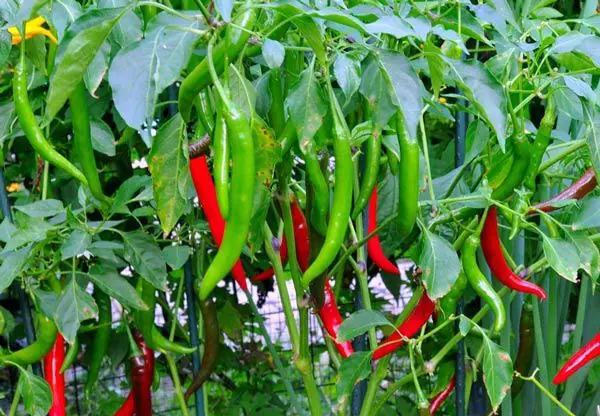
Guide to planting chili peppers in pots to produce more fruit

What happens to your body when you start each day with ginger and red date tea?
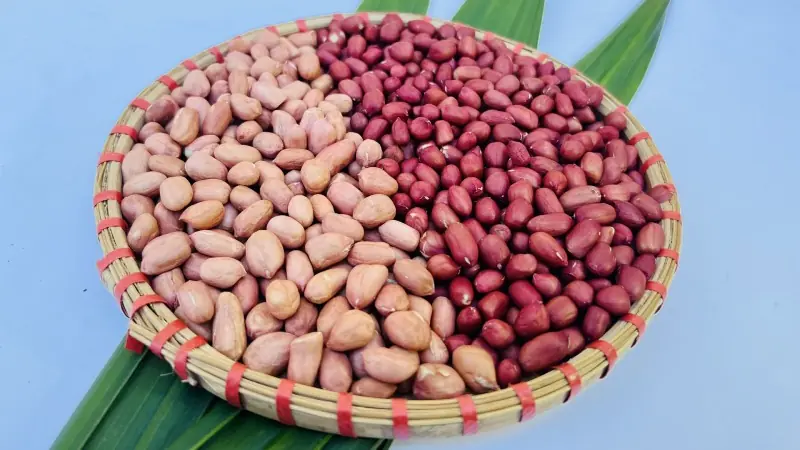
Red vs. White Peanuts: The Key Differences You Need to Know
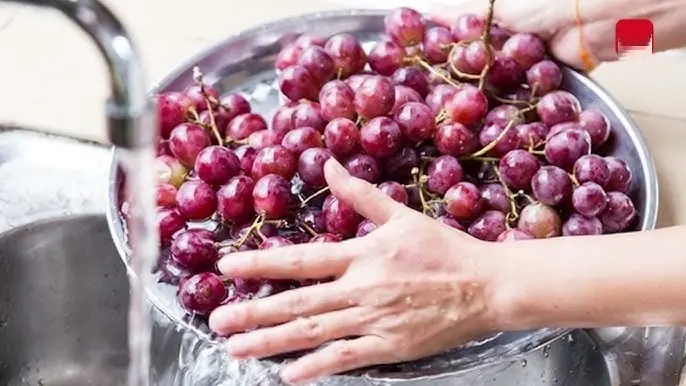
This simple trick removes even hidden dirt and insect eggs

How to Defrost Meat Quickly While Keeping It Fresh
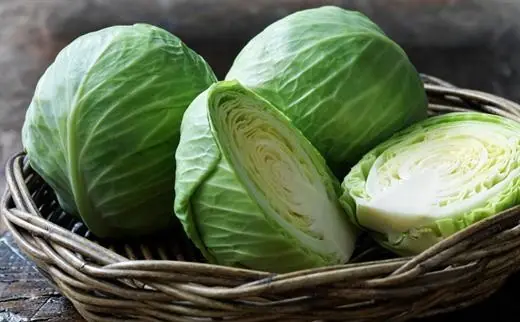
Cabbage isn’t for everyone—know who should avoid it.

Night leg cramps? Don’t ignore these warning signs.

Unusual body odors may signal serious liver problems early.
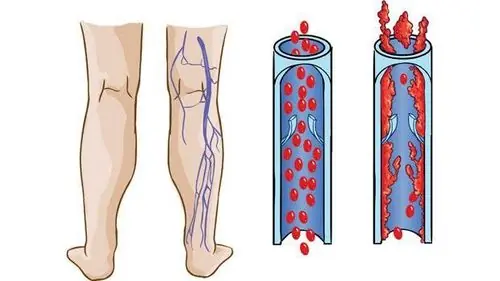
Boost blood flow naturally with these essential vitamins.

Early dementia signs many people ignore until it’s too late.

Early warning signs of cancer your body may be showing now.

Onions and uric acid: truth behind stroke risk and diet choices.

Unusual foot signs may be early warnings of kidney problems.

Take Care of Your Kidneys by Avoiding These 4 Drinks
Place these leaves by your doorway to naturally keep flies and mosquitoes away

Can’t Stop Feeling Mucus in Your Throat? Here’s Why
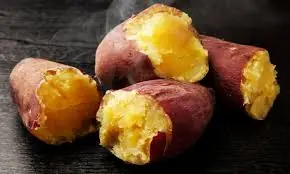
4 Moments Each Day When Eating Sweet Potatoes Can Transform Your Health

Could Cancer Cells Be in Your Body? Watch Out for These 5 Signs in the Morning

This Common Sensation While Lying Down Might Signal a Hidden Health Issue
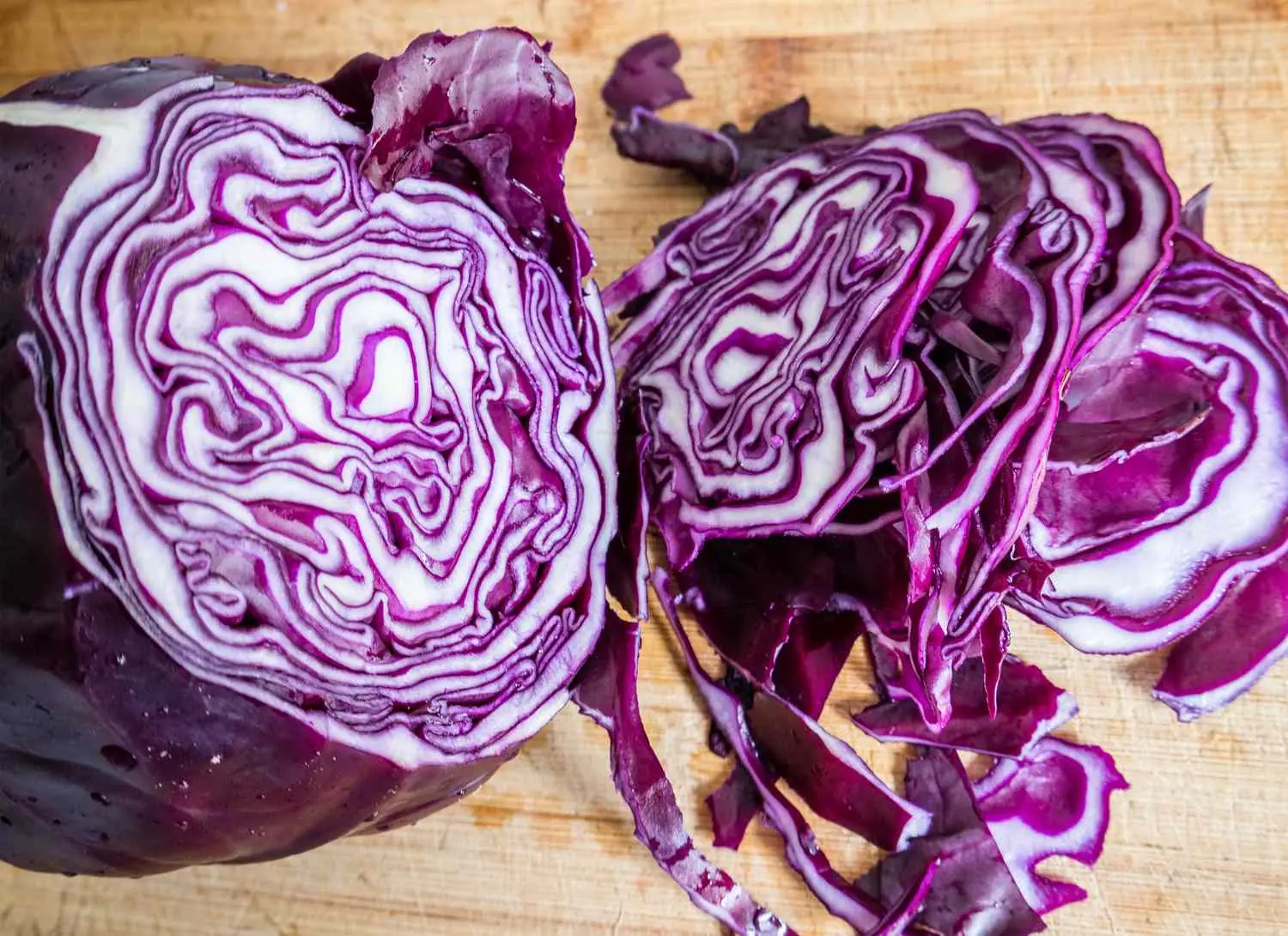
You Won’t Believe What Eating Red Cabbage Does to Your Body…

A common vegetable may pose risks if consumed improperly.

Ignoring early symptoms can delay colon cancer diagnosis.
Try eating pineapple every day — here’s what you might notice

Know these key facts before adding sweet potatoes to your diet.

A common habit may increase the risk of nasal fungal infection.