What’s the reason hotels require guests to check out at 12 o’clock?
Why is noon the standard check-out time in most hotels?
Facts 28/03/2026 17:40
Have you ever noticed that some people feel an urgent need to use the bathroom shortly after finishing a meal? While this might seem unusual or even concerning, it is actually a relatively common experience. In many cases, it is linked to a natural physiological response in the body rather than a sign of disease.
Understanding why this happens can help you distinguish between normal digestive behavior and symptoms that may require medical attention.
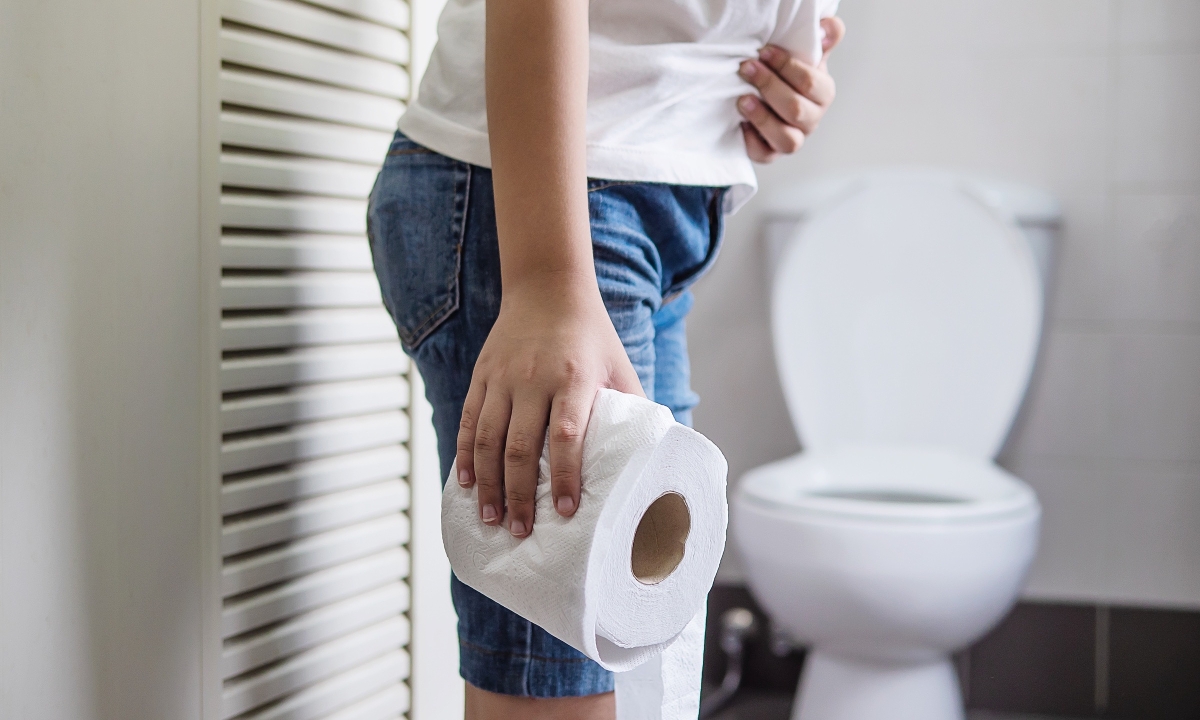
The most common explanation for this phenomenon is something called the gastrocolic reflex. This is a normal reflex that occurs when food enters the stomach.
When you eat:
These contractions help move existing waste through the intestines, which may create the urge to have a bowel movement.
In simple terms, eating triggers your digestive system to “make room” for incoming food by clearing out what’s already there.
Although everyone has a gastrocolic reflex, its intensity varies from person to person.
Some individuals experience a stronger response due to:
People with more reactive digestive systems may feel the urge more quickly and more intensely.
Certain foods can stimulate the digestive tract more than others, such as:
These can enhance intestinal contractions and trigger a quicker response.
Hormones released during eating can influence digestion. For some individuals, these hormonal signals are more pronounced, leading to faster bowel activity.
In most cases, needing to use the bathroom after eating is completely normal—especially if:
However, if the urge is frequent, urgent, or accompanied by other symptoms, it may indicate an underlying issue.
You should pay closer attention if you experience:
These symptoms could be linked to conditions such as irritable bowel syndrome (IBS), food intolerances, or other digestive disorders.
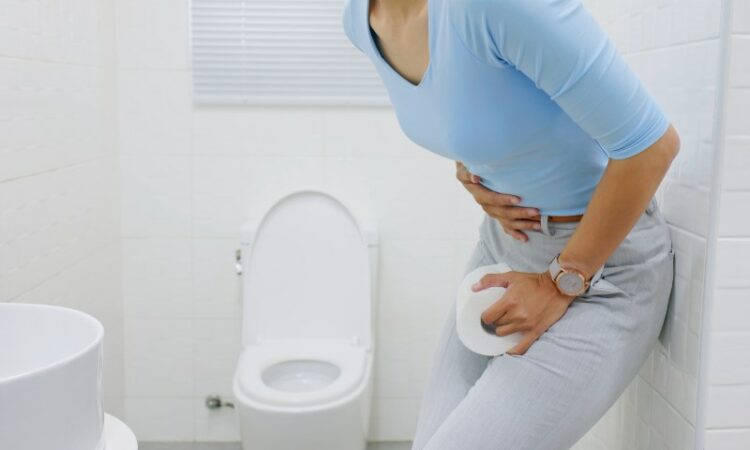
Your daily habits can influence how your digestive system responds after meals.
Eating too quickly can overstimulate the digestive system, making the gastrocolic reflex more intense.
Large meals stretch the stomach more, triggering stronger signals to the colon.
Emotional stress can affect gut function, making the digestive system more reactive.
If the urge to use the bathroom after eating is inconvenient or uncomfortable, there are ways to manage it:
These adjustments can help regulate your digestive response.

Feeling the need to use the bathroom immediately after eating is often a normal result of the gastrocolic reflex—a natural process that helps your body manage digestion efficiently. For many people, it simply reflects a healthy and responsive digestive system.
However, if the symptoms are frequent, severe, or accompanied by other warning signs, it’s important to seek medical advice. By understanding your body and paying attention to patterns, you can better manage your digestive health and maintain overall well-being.
Why is noon the standard check-out time in most hotels?

These skin signs could mean something serious
Why Experts Are Warning About Mung Beans Again (Most People Ignore This!)

If your partner invites you to shower together, it might indicate that…
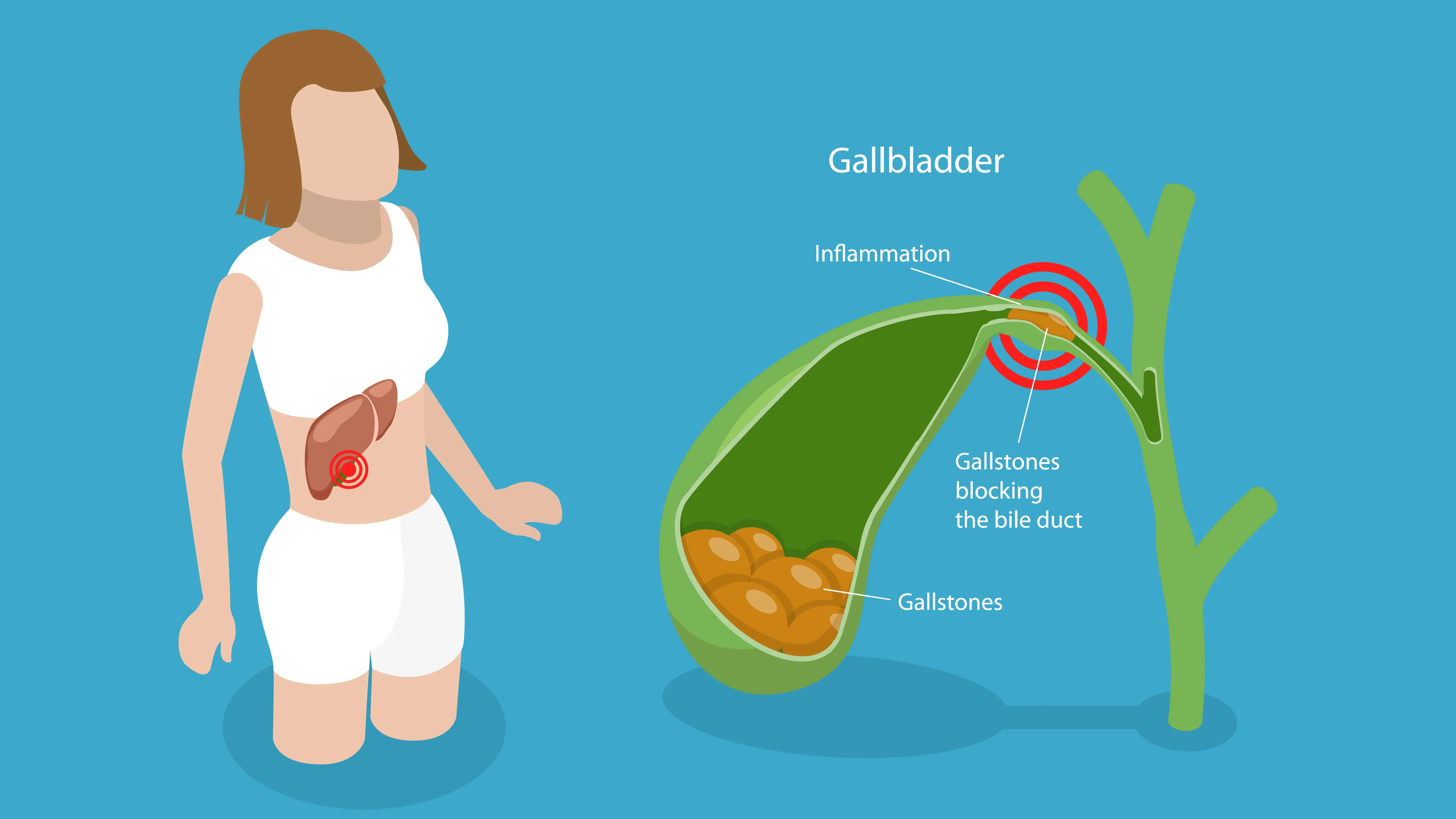
Gallbladder Cancer: 6 Subtle Symptoms to Watch For

Are “washed eggs” really dangerous? Experts reveal the truth.

Can this natural remedy really fight cancer?

Have you ever felt unable to move or shout while sleeping? It might mean you are…

What causes frequent dreams of 'missteps' and what could they represent?

5 powerful health benefits of eating chia seeds on a regular basis

Drivers over 70 may face stricter rules in the near future
Does a washing machine’s capacity refer to dry clothes or wet clothes?

6 Signs You’re No Longer a Couple — Just Living Like Roommates
Waking up drooling? It may signal hidden health issues

Why brass is used for doorknobs: the surprising purpose behind it?

Add this to coffee to help slow aging and reduce wrinkles

Not just jewelry—this might describe you perfectly

Cabbage isn’t for everyone—know who should avoid it.
Night leg cramps? Don’t ignore these warning signs.

Unusual body odors may signal serious liver problems early.
Boost blood flow naturally with these essential vitamins.
Early dementia signs many people ignore until it’s too late.
Early warning signs of cancer your body may be showing now.
Onions and uric acid: truth behind stroke risk and diet choices.
Unusual foot signs may be early warnings of kidney problems.

Take Care of Your Kidneys by Avoiding These 4 Drinks
Place these leaves by your doorway to naturally keep flies and mosquitoes away

Can’t Stop Feeling Mucus in Your Throat? Here’s Why

4 Moments Each Day When Eating Sweet Potatoes Can Transform Your Health
Could Cancer Cells Be in Your Body? Watch Out for These 5 Signs in the Morning

This Common Sensation While Lying Down Might Signal a Hidden Health Issue
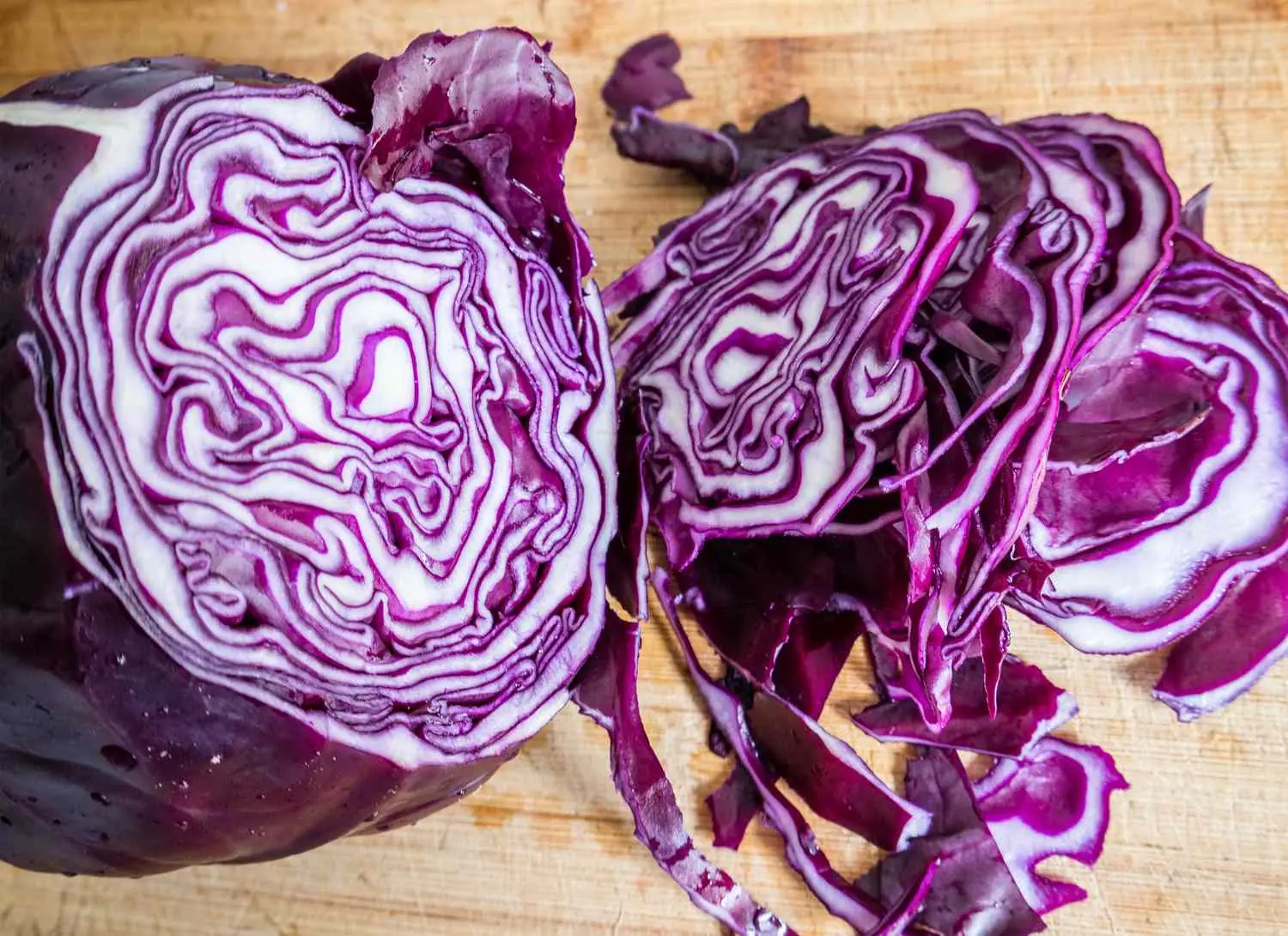
You Won’t Believe What Eating Red Cabbage Does to Your Body…
A common vegetable may pose risks if consumed improperly.
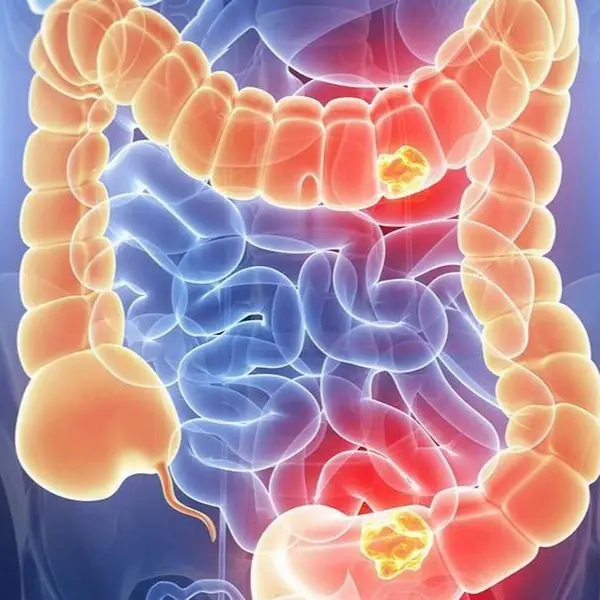
Ignoring early symptoms can delay colon cancer diagnosis.

Try eating pineapple every day — here’s what you might notice

Know these key facts before adding sweet potatoes to your diet.

A common habit may increase the risk of nasal fungal infection.