
What’s the reason hotels require guests to check out at 12 o’clock?
Why is noon the standard check-out time in most hotels?
Facts 28/03/2026 17:40
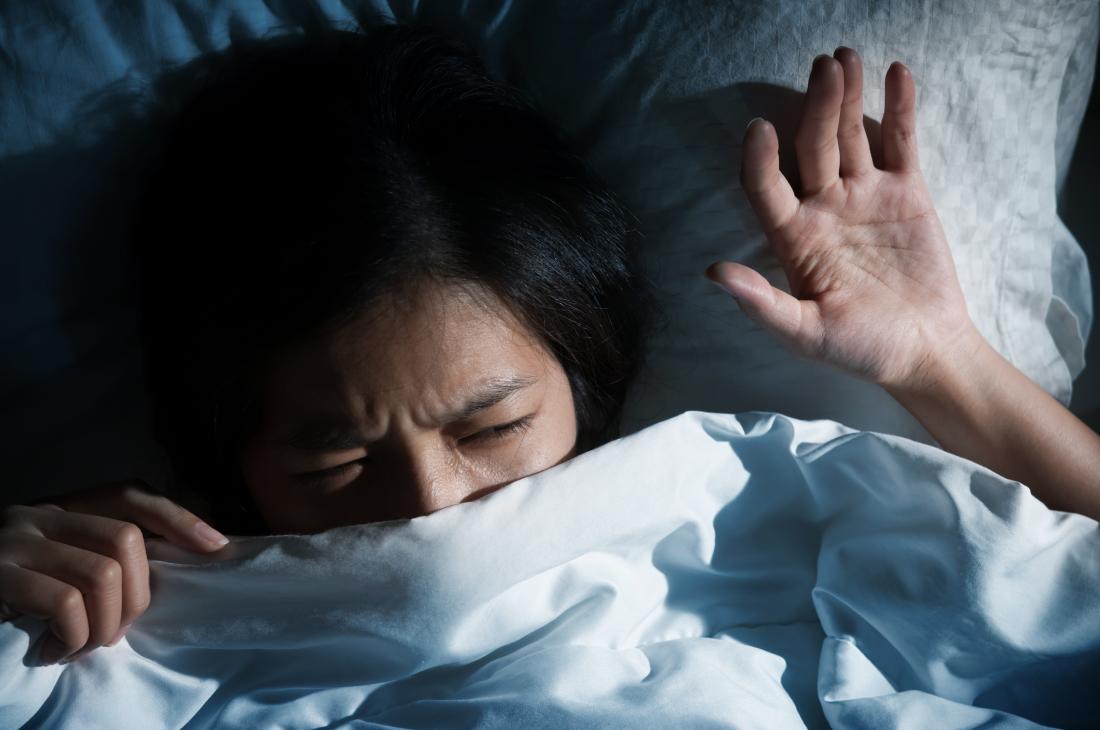
Imagine waking up in the middle of the night, fully aware of your surroundings—but unable to move, speak, or even call for help. You try to scream, but no sound comes out. Your body feels frozen, as if it no longer belongs to you. For many people, this experience is not a dream, but a real condition known as sleep paralysis.
Although it can be frightening, sleep paralysis is a relatively common phenomenon and is usually harmless. Understanding why it happens and what it means can help reduce fear and give you a sense of control.
Sleep paralysis occurs when your mind wakes up, but your body remains temporarily unable to move. It typically happens during the transition between sleep and wakefulness—either when you are falling asleep or waking up.
During sleep, especially in the REM (rapid eye movement) stage, your body naturally enters a state of muscle relaxation. This prevents you from physically acting out your dreams. However, in sleep paralysis, this “switch” doesn’t turn off immediately when your brain wakes up.
As a result:
This state usually lasts a few seconds to a couple of minutes, though it can feel much longer.

Sleep paralysis is linked to disruptions in your sleep cycle. Several factors can increase the likelihood of experiencing it:
When your sleep cycle is disturbed, the coordination between your brain and body can become temporarily misaligned.
People who experience sleep paralysis often report similar sensations, including:
These hallucinations can feel extremely real, which is why sleep paralysis is often mistaken for supernatural experiences in different cultures.
During sleep paralysis, your brain may still be partially in a dream state. This can trigger the amygdala—the part of the brain responsible for fear—leading to intense emotional reactions.
Because your body cannot move, your brain may interpret this as a threat, amplifying fear and making the experience more distressing.
However, it’s important to remember that:
In most cases, sleep paralysis is not harmful. It does not cause physical damage and does not indicate a serious medical condition for the majority of people.
However, frequent episodes may:
If it happens often or becomes distressing, it may be helpful to consult a healthcare professional.
While you may not be able to eliminate sleep paralysis completely, certain habits can significantly reduce its occurrence:
Creating a stable and relaxing sleep routine helps your brain and body stay synchronized.
If you find yourself in the middle of sleep paralysis, staying calm is key. Although it may feel overwhelming, reminding yourself that the experience is temporary can reduce panic.
You can try:
These strategies can help you regain control more quickly.
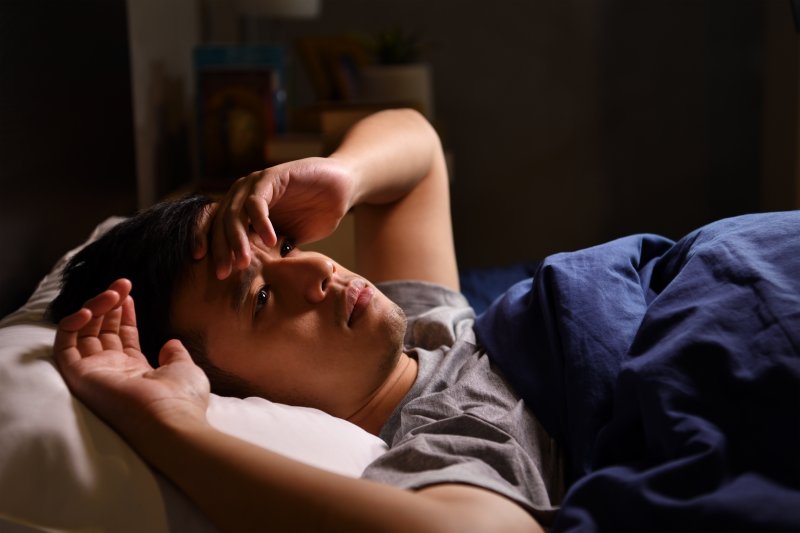
Being unable to move or scream while asleep can be a terrifying experience, but it is often a natural phenomenon known as sleep paralysis. It occurs when your mind wakes up before your body, creating a temporary disconnect between awareness and movement.
While the experience can feel intense, it is usually harmless and manageable. By understanding its causes and adopting healthy sleep habits, you can reduce its frequency and approach it with less fear.
Sometimes, the scariest experiences are simply your body’s way of reminding you that rest, balance, and mental well-being are more important than we realize.
Why is noon the standard check-out time in most hotels?

These skin signs could mean something serious

Why Experts Are Warning About Mung Beans Again (Most People Ignore This!)

If your partner invites you to shower together, it might indicate that…

Why does eating trigger the urge to use the bathroom in some people?
Gallbladder Cancer: 6 Subtle Symptoms to Watch For

Are “washed eggs” really dangerous? Experts reveal the truth.

Can this natural remedy really fight cancer?

What causes frequent dreams of 'missteps' and what could they represent?

5 powerful health benefits of eating chia seeds on a regular basis

Drivers over 70 may face stricter rules in the near future

This is why your cat sleeps with you

Does a washing machine’s capacity refer to dry clothes or wet clothes?

6 Signs You’re No Longer a Couple — Just Living Like Roommates
Waking up drooling? It may signal hidden health issues

Why brass is used for doorknobs: the surprising purpose behind it?

Add this to coffee to help slow aging and reduce wrinkles

Not just jewelry—this might describe you perfectly

Cabbage isn’t for everyone—know who should avoid it.
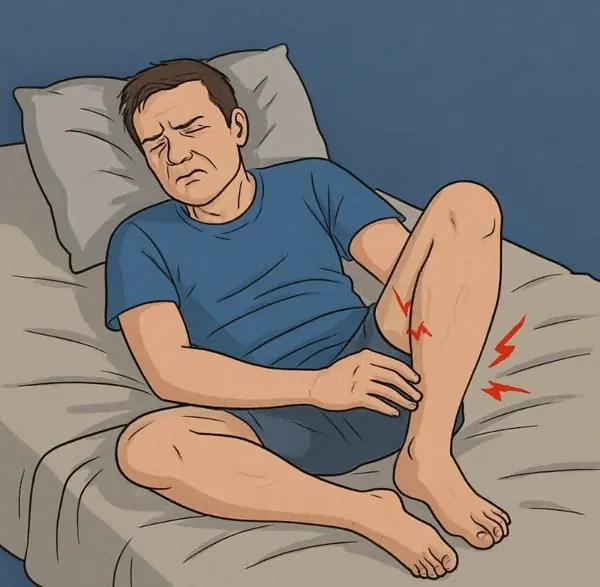
Night leg cramps? Don’t ignore these warning signs.

Unusual body odors may signal serious liver problems early.
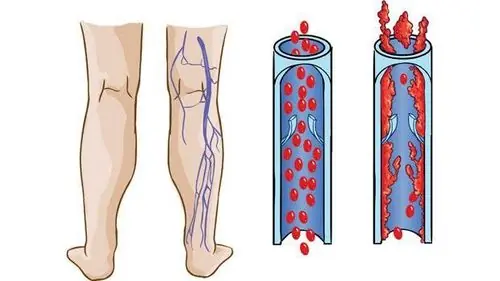
Boost blood flow naturally with these essential vitamins.
Early dementia signs many people ignore until it’s too late.

Early warning signs of cancer your body may be showing now.

Onions and uric acid: truth behind stroke risk and diet choices.

Unusual foot signs may be early warnings of kidney problems.

Take Care of Your Kidneys by Avoiding These 4 Drinks

Place these leaves by your doorway to naturally keep flies and mosquitoes away

Can’t Stop Feeling Mucus in Your Throat? Here’s Why

4 Moments Each Day When Eating Sweet Potatoes Can Transform Your Health
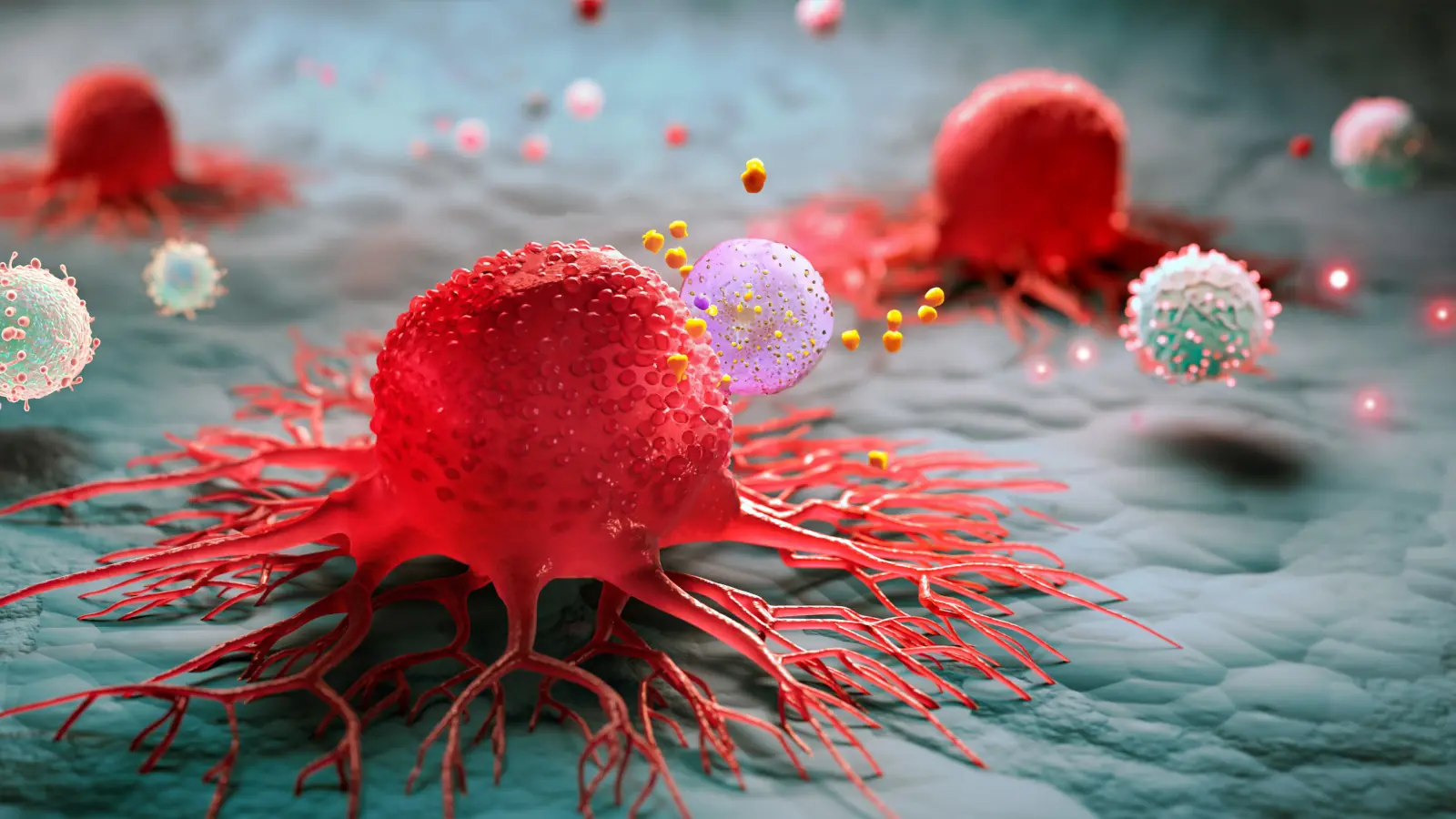
Could Cancer Cells Be in Your Body? Watch Out for These 5 Signs in the Morning

This Common Sensation While Lying Down Might Signal a Hidden Health Issue

You Won’t Believe What Eating Red Cabbage Does to Your Body…

A common vegetable may pose risks if consumed improperly.

Ignoring early symptoms can delay colon cancer diagnosis.

Try eating pineapple every day — here’s what you might notice

Know these key facts before adding sweet potatoes to your diet.

A common habit may increase the risk of nasal fungal infection.