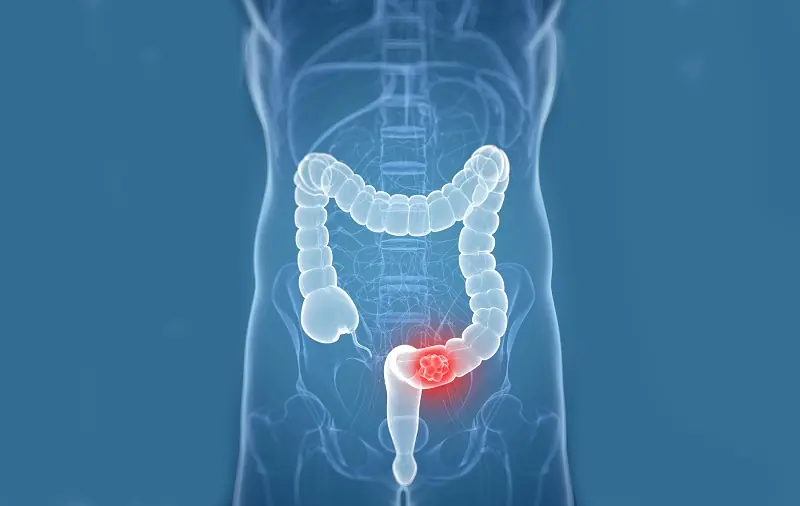
4 everyday fruits that doctors warn could potentially contribute to can.cer development
⚠️ First, Let’s Get This Straight
Before diving in, it’s critical to clarify something:
Fruits themselves do NOT directly cause cancer.
They are, in fact, rich in vitamins, fiber, and antioxidants that generally help protect the body. However, under certain conditions, some commonly consumed fruits may contribute to an environment that supports disease development — especially when linked to contamination, overconsumption, or processing.
So this isn’t about fear — it’s about awareness.
🍎 1. Apples (When Not Properly Cleaned)
Apples are often praised for their health benefits, but they are also among the fruits most frequently exposed to pesticide residues.
Why this matters:
- Some pesticides have been studied for potential long-term health effects
- Residues may remain on the skin if not thoroughly washed
- Regular exposure over time may increase health risks
What to do instead:
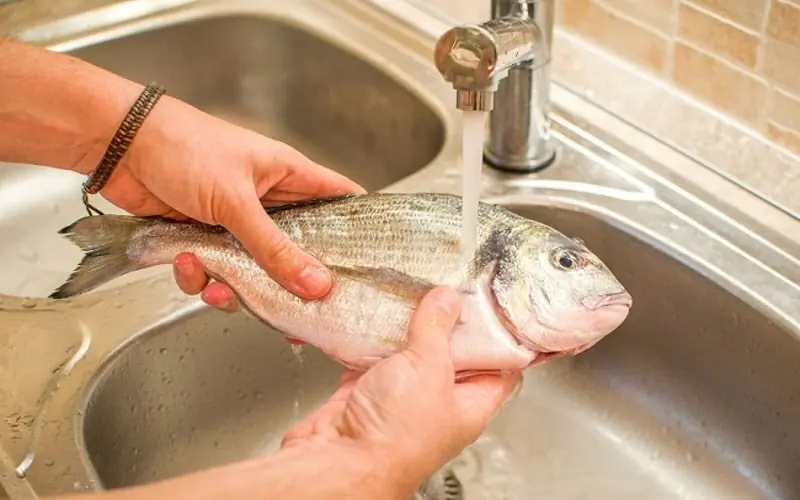
- Wash apples under running water thoroughly
- Consider peeling the skin if unsure of the source
- Choose organic when possible
👉 The issue isn’t the apple — it’s what might be on it.

🍇 2. Grapes (High Residue Potential)
Grapes are another fruit known for carrying higher levels of pesticide residue due to their thin skin and farming practices.
Potential concerns:
- Chemicals can be harder to remove completely
- Frequent consumption without proper cleaning may increase exposure
Smart habits:
- Soak grapes in saltwater or baking soda solution
- Rinse multiple times before eating
👉 Clean eating starts with clean preparation.
🍌 3. Overripe Bananas (Mold Risk)
Bananas are safe and nutritious when fresh, but overripe or improperly stored bananas can develop microscopic mold.
Why it matters:
- Certain molds produce mycotoxins
- Long-term exposure to some mycotoxins has been linked to health risks
Watch out for:
- Extremely soft texture
- Unusual smell
- Dark, wet patches
👉 Slight ripeness is fine — rotting is not.
🍑 4. Processed Fruit Products (Hidden Sugar Factor)
This category includes:
- Packaged fruit juices
- Canned fruits in syrup
- Sweetened dried fruits
The real issue here is sugar.
High sugar intake has been associated with:
- Increased inflammation
- Insulin resistance
- Conditions that may support disease progression
Better choices:
- Eat whole fruits instead of juice
- Choose unsweetened versions
- Limit processed fruit intake
👉 When fruit is heavily processed, it loses its natural balance.
🔥 The Bigger Picture: It’s About Context, Not Fear
Let’s be real — fruits are still one of the healthiest food groups out there.
The concern isn’t about eliminating them, but about:
- How they are grown (chemicals, pesticides)
- How they are consumed (fresh vs processed)
- How much is consumed (moderation matters)
🛡️ How to Eat Fruits Safely and Smartly
Follow these simple rules:
- Wash all fruits thoroughly
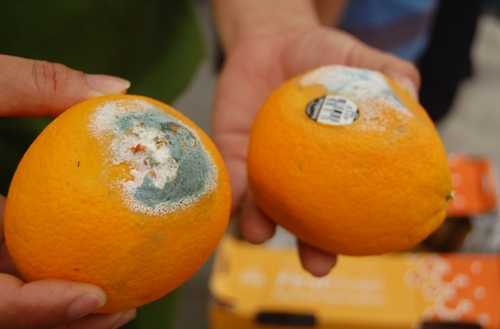
- Avoid visibly spoiled or moldy fruit
- Limit ultra-processed fruit products
- Maintain a balanced diet overall
👉 Small habits = long-term impact.
🌱 Final Thoughts
The idea that certain fruits could be linked to cancer risk can sound alarming but context is everything.
Fruits are not the enemy.
Poor handling, contamination, and excessive processing are the real concerns.
So instead of cutting fruits out of your life, the smarter move is to:
- Choose wisely
- Prepare carefully
- Consume mindfully
Because at the end of the day, health isn’t about avoiding food - it’s about understanding it.