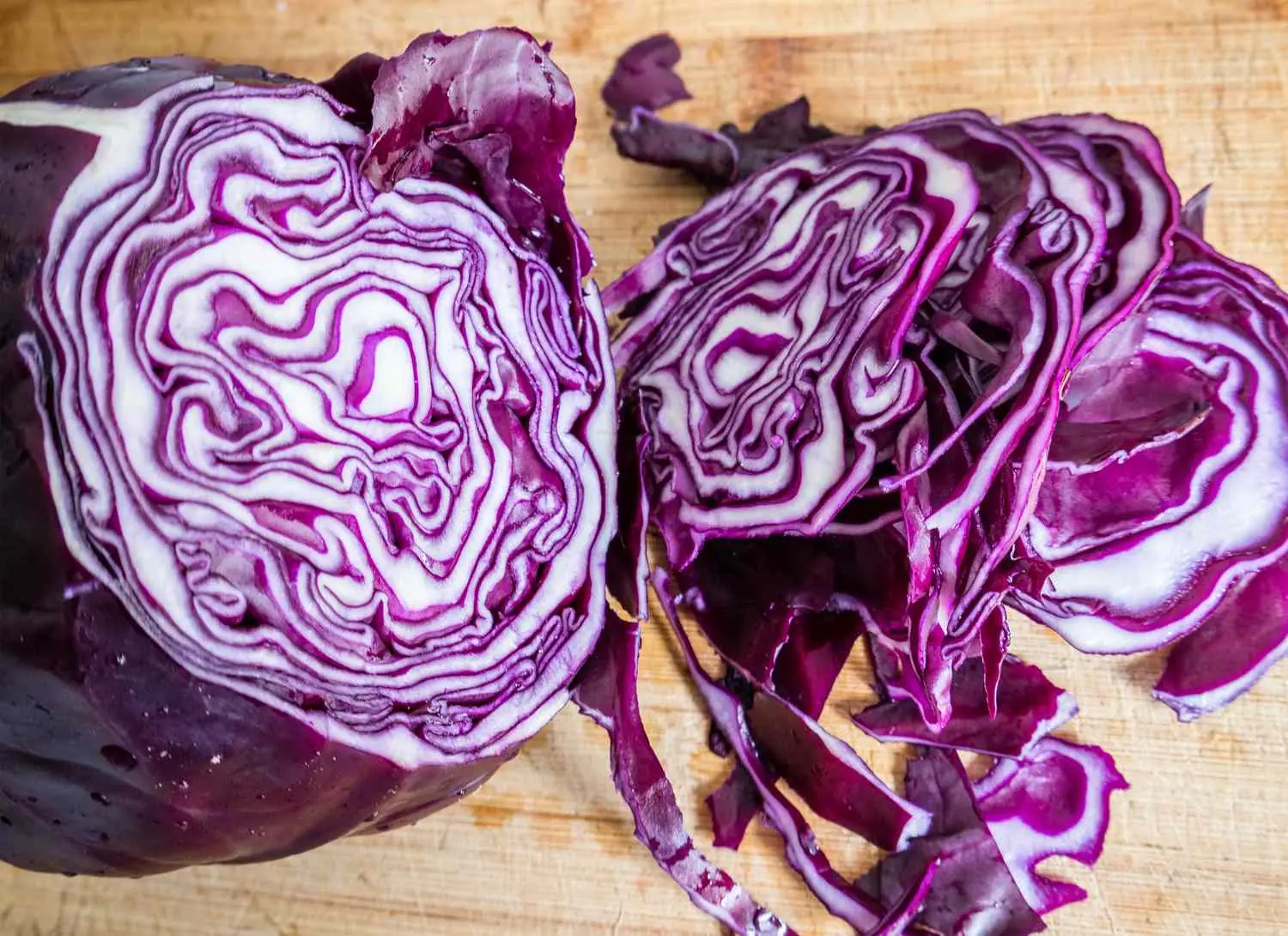
This One Vegetable Could Change Your Health Overnight… Find Out How
You Won’t Believe What Eating Red Cabbage Does to Your Body…
Food 28/03/2026 23:16
If you eat corn every day, something unexpected begins to happen inside your body… 🌽
Corn is one of the most widely consumed foods in the world—sweet, versatile, and easy to add to almost any meal. From boiled corn on the cob to popcorn and corn-based products, it often feels like a harmless daily staple. But what actually happens if you eat corn every single day? The answer is more surprising than you might think.
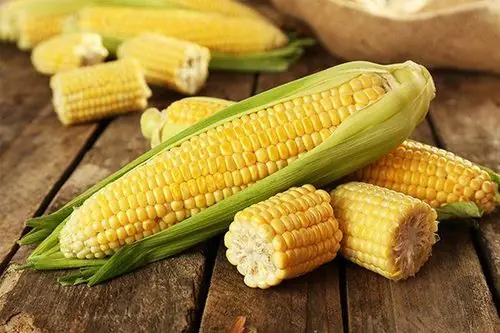
Corn is rich in fiber, especially insoluble fiber, which helps move food through your digestive system. Eating corn daily can support regular bowel movements and improve gut health. However, if your body isn’t used to a high-fiber diet, you might initially experience bloating or gas.
Interestingly, those yellow outer shells you sometimes notice in your stool are part of corn’s cellulose structure—your body doesn’t fully break it down, but it’s completely normal.
Corn contains carbohydrates, your body’s primary energy source. Eating it regularly can provide a steady supply of fuel throughout the day. It also contains B vitamins, which play a key role in energy metabolism.
But there’s a catch: relying too heavily on corn without balancing other nutrients might lead to energy spikes and crashes.
Corn is naturally rich in antioxidants like lutein and zeaxanthin—compounds known to support eye health. These nutrients can help protect your eyes from harmful blue light and may reduce the risk of age-related vision problems over time.
Whole corn can support heart health thanks to its fiber and antioxidant content, which may help manage cholesterol levels.
However, the form of corn matters a lot. Highly processed corn products—like corn syrup or fried snacks—can have the opposite effect, contributing to weight gain and increasing the risk of heart issues if consumed excessively.
Corn is relatively filling and can help control appetite when eaten in its natural form. This may support healthy weight management.
On the other hand, eating large amounts—especially in processed forms like chips or sweetened corn products—can add extra calories quickly, leading to gradual weight gain.
Here’s the unexpected part: eating corn every day isn’t necessarily harmful—but relying on it too much can crowd out other important foods. Corn doesn’t provide enough protein or certain essential nutrients like vitamin B12 or omega-3 fatty acids.
Over time, a corn-heavy diet without variety could lead to nutritional imbalances.

Corn itself isn’t the problem—it’s how and how much you eat it. In moderation, and especially in its whole form, corn can be a healthy addition to your diet. It offers fiber, energy, and beneficial antioxidants.
But like any single food, it shouldn’t dominate your plate. A balanced diet with a variety of vegetables, proteins, and whole grains is still the key to long-term health.
The bottom line:
Eating corn every day won’t magically harm you—but the subtle changes in your body depend on balance, portion, and preparation. Sometimes, the “unexpected” isn’t about danger—it’s about what your body is quietly trying to tell you.
You Won’t Believe What Eating Red Cabbage Does to Your Body…

Try eating pineapple every day — here’s what you might notice
Eating Walnuts Can Do This to Your Body…See How
Eat Onions Every Day: Here’s What Happens to Your Body

10 Things Nobody Tells You About Eating Okra
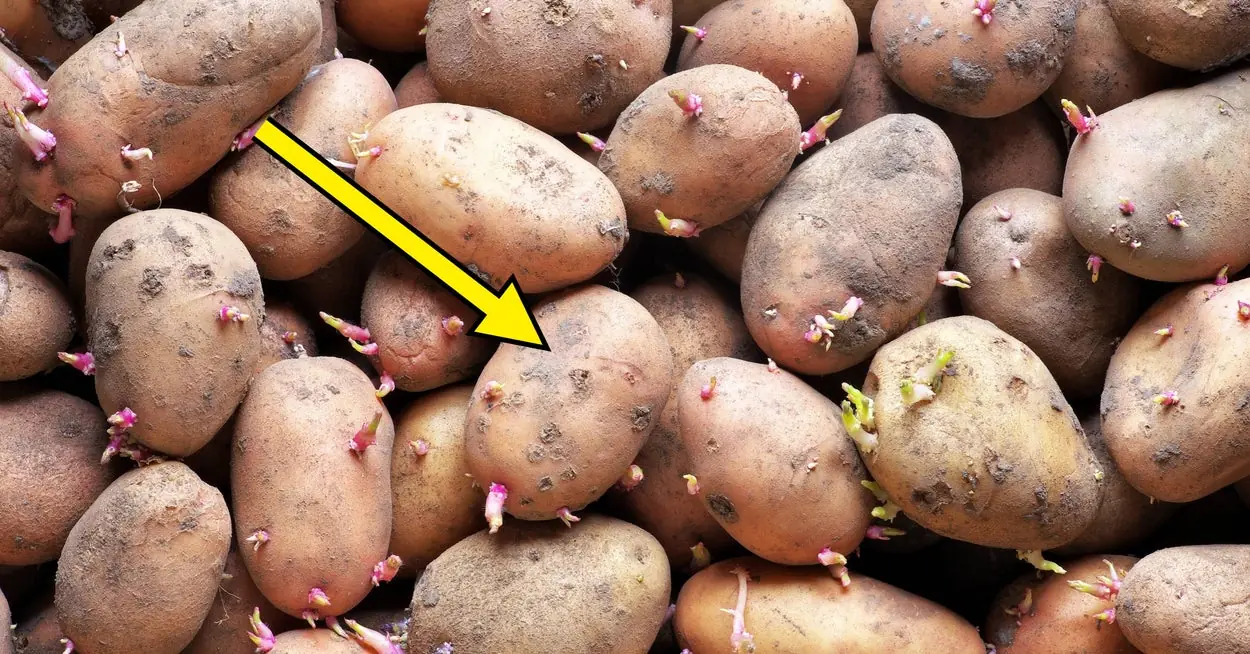

My Neighbor Dropped Off a Bag of These… What Are They Supposed to Be?

Doctors Reveal That This Simple Habit Might Be Quietly Causing…

This Is What Happens When You Eat Chili Peppers Every Day
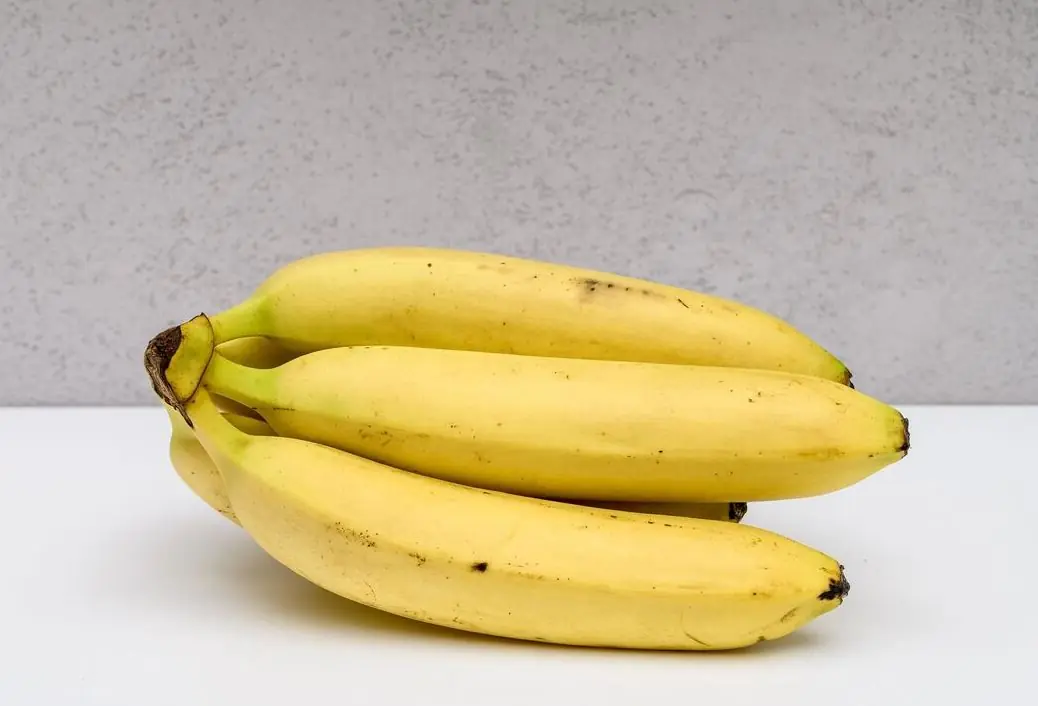
Doctors Reveal the Unexpected Effects of Eating Bananas Right Before Bed
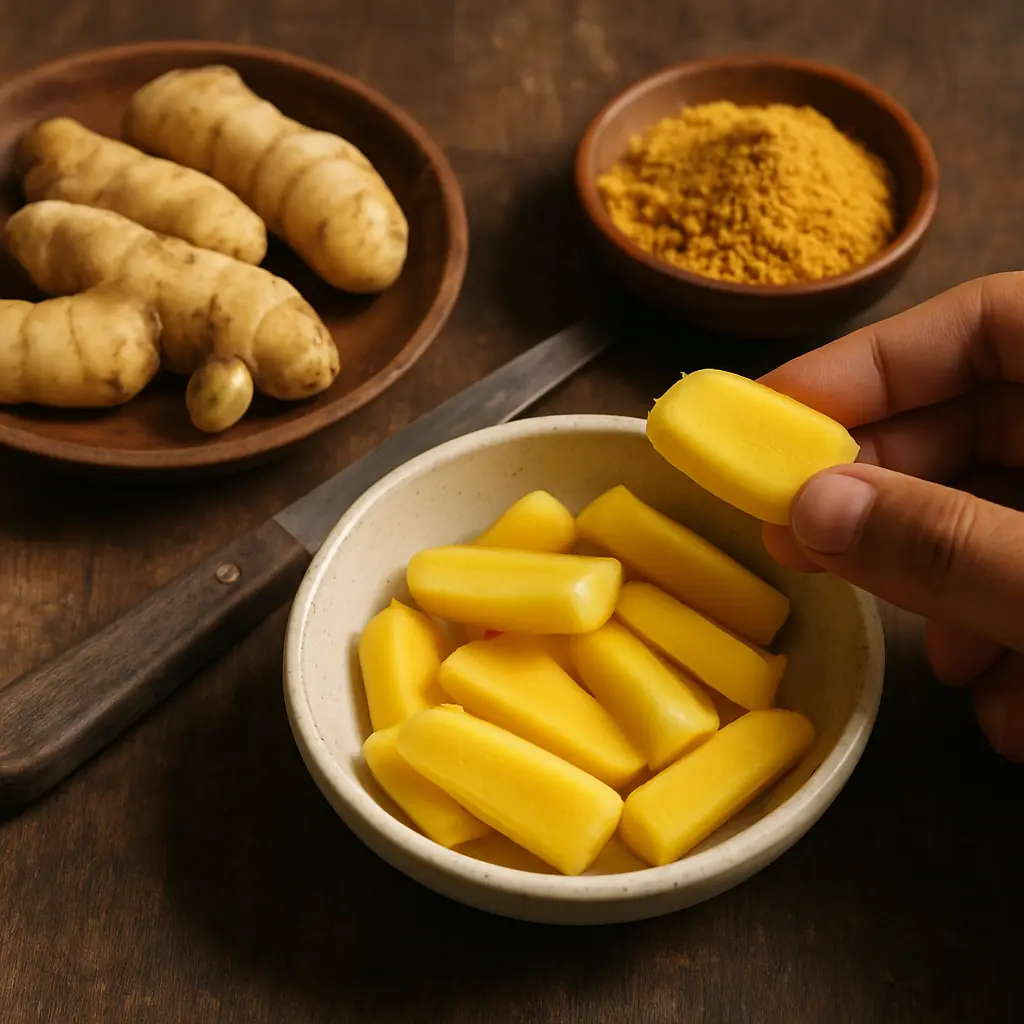
Steamed Ginger: A Natural Remedy With Surprisingly Strong Benefits
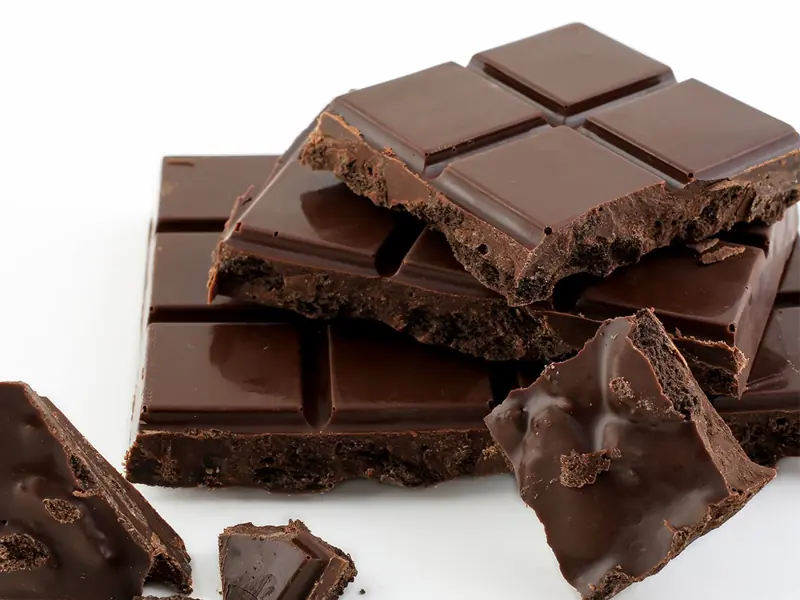
Chocolate Lovers Rejoice: You’ve Been Doing It Wrong This Whole Time

What does cassava actually do to your body? Doctors explain — see more

7 Emerging Health Benefits of Pineapple Juice Backed by Research That You Absolutely Should Know About

Few know about this root, yet it’s dubbed “the common man’s ginseng” for its astonishing health-boosting powers
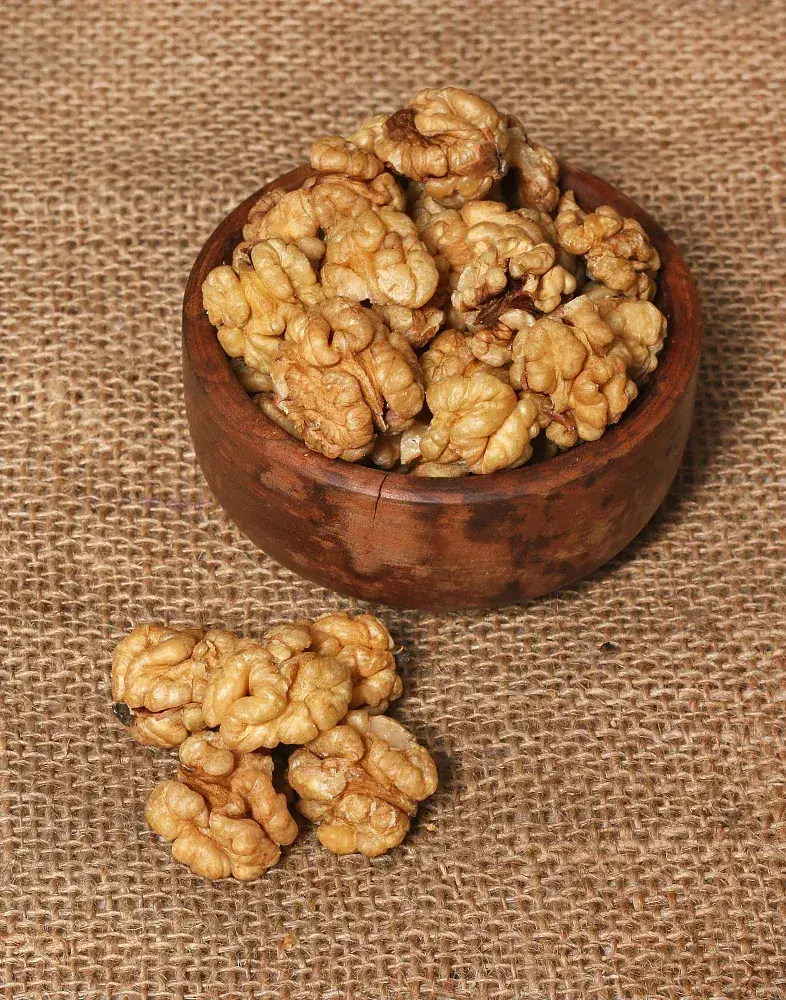
Health experts explain the effects of walnuts on your body
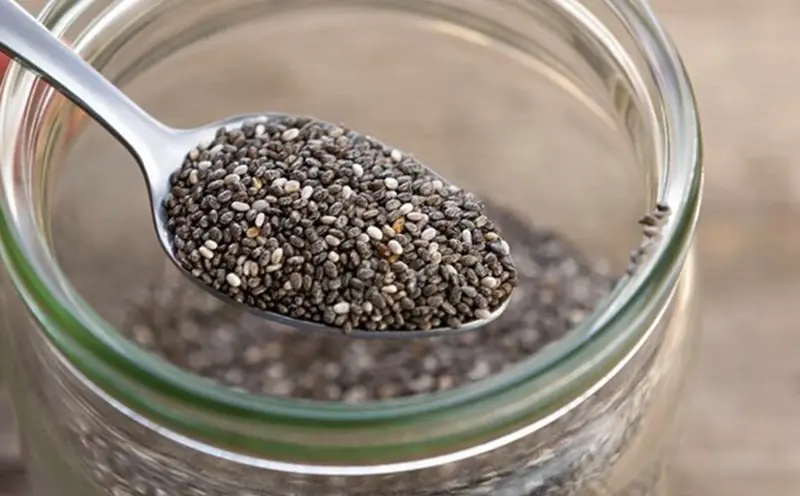
Chia seeds are healthy — but not for everyone. Here are 5 people who should be careful

Turn kitchen waste into garden gold with boiled eggshells — a simple, zero-cost trick for healthier, blooming plants.
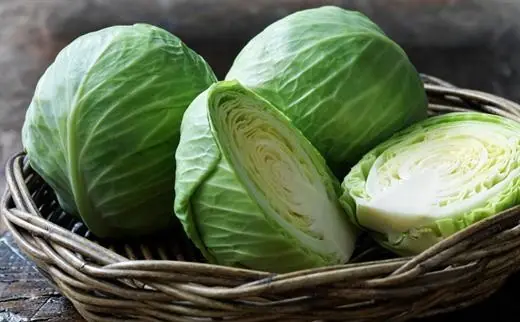
Cabbage isn’t for everyone—know who should avoid it.
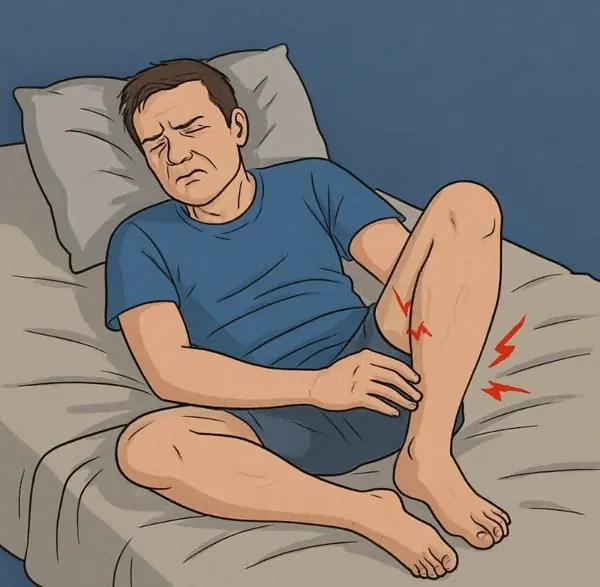
Night leg cramps? Don’t ignore these warning signs.

Unusual body odors may signal serious liver problems early.
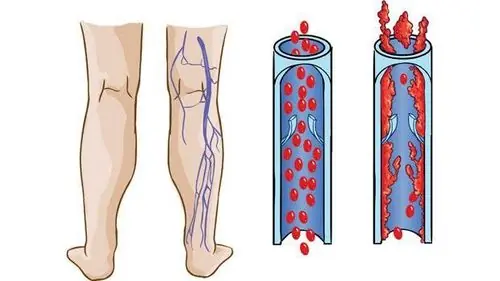
Boost blood flow naturally with these essential vitamins.

Early dementia signs many people ignore until it’s too late.

Early warning signs of cancer your body may be showing now.

Onions and uric acid: truth behind stroke risk and diet choices.

Unusual foot signs may be early warnings of kidney problems.

Take Care of Your Kidneys by Avoiding These 4 Drinks

Place these leaves by your doorway to naturally keep flies and mosquitoes away

Can’t Stop Feeling Mucus in Your Throat? Here’s Why

4 Moments Each Day When Eating Sweet Potatoes Can Transform Your Health
Could Cancer Cells Be in Your Body? Watch Out for These 5 Signs in the Morning

This Common Sensation While Lying Down Might Signal a Hidden Health Issue
You Won’t Believe What Eating Red Cabbage Does to Your Body…

A common vegetable may pose risks if consumed improperly.
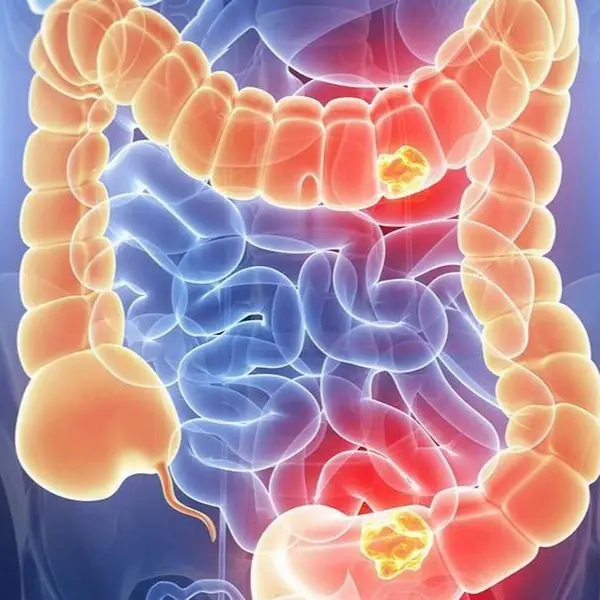
Ignoring early symptoms can delay colon cancer diagnosis.
Try eating pineapple every day — here’s what you might notice

Know these key facts before adding sweet potatoes to your diet.

A common habit may increase the risk of nasal fungal infection.